As an Amazon Associate, we earn from qualifying purchases. Some links on this site are affiliate links at no extra cost to you. Our recommendations are based on thorough research and editorial judgment.

Capturing Symmetry and Patterns From a Bird’s Eye View

Capturing symmetry and patterns from a bird’s eye view can be incredibly rewarding. We can utilize drones to gain elevated perspectives that reveal unique designs in natural and urban landscapes. By adjusting camera settings, like using a smaller aperture for better depth of field, we enhance our compositions. Editing plays a key role too; color correction and selective blurring can emphasize the beauty of these patterns. If you’re curious about techniques and gear that can elevate your photography, we’ve got more insights to share.
Key Takeaways
- Use drones to access elevated angles, revealing captivating patterns and symmetry in landscapes that are often overlooked from the ground.
- Experiment with different compositions and angles to enhance the visual impact of symmetry and patterns in your aerial shots.
- Utilize a telephoto zoom lens to compress distances, creating visually striking perspectives that capture intricate details and patterns.
- Maintain low ISO settings and use a tripod to ensure clarity, reducing noise in low-light conditions while showcasing textures and symmetry.
- Leverage editing tools like Luminar Neo to enhance colors, contrast, and detail, emphasizing the stunning patterns highlighted in your aerial photography.
The Unique Perspective of Bird’s Eye Photography

Have you ever tried bird’s eye photography? It’s such an amazing way to look at the world! This perspective gives us a fresh view, allowing us to spot patterns and symmetry in landscapes that we often miss when we’re down on the ground. For instance, when you take an aerial shot of a field, you can see the neat rows of crops that create a beautiful patchwork effect. Similarly, cityscapes reveal stunning geometric shapes in the layout of buildings and streets.
Using a bird’s-eye view opens up all sorts of creative possibilities. By changing angles and compositions, you can highlight textures and shapes in your subjects. Think about capturing the meandering curves of a river seen from above or the organized chaos of a bustling market. It really makes the everyday look extraordinary!
This perspective is not just about getting a new angle; it changes how we think about our surroundings. Each aerial photograph tells a story that encourages us to explore even further. So, the next time you grab your camera, consider elevating your viewpoint. You might discover something incredible! Using drones equipped with advanced stabilization technology ensures your aerial shots are smooth and professional, enhancing your creative potential.
Essential Techniques for Bird’s Eye Photography

Hey there! Have you ever tried bird’s eye photography? It’s a fantastic way to capture unique perspectives that really stand out. If you’re looking to elevate your shots, there are some essential techniques you should definitely try out. Using a drone can give you those elevated angles, letting you discover fascinating patterns—like a winding road cutting through a lush green field or the symmetry of rooftops in an urban landscape.
Now, when you’re shooting, always go for RAW format. It’s super important because it keeps all the details intact, making your editing process a breeze later on. For instance, if you take a picture of a bustling market from above, RAW will let you pull out the vibrant colors and intricate details without losing quality.
Also, consider adjusting your camera settings. Using a smaller aperture, like f8.0, can help create a larger depth of field, making more of your image sharp and in focus. Plus, keep your ISO below 400 to reduce noise—this is particularly handy in low light situations, like shooting during the golden hour.
Another tip is to use leading lines in your composition. Think about how roads or pathways can draw a viewer’s eye through the image, giving it a sense of direction. Oh, and don’t forget about your shutter speed! A fast setting, like 1/500, helps eliminate motion blur, especially when capturing dynamic scenes, such as people or cars in action from above.
To ensure your equipment stays reliable during shoots, consider using power supplies with built-in safety protections to avoid unexpected shutdowns or damage.
Now that you’re armed with these techniques, you’re all set to head out and explore the wonderful world of bird’s eye photography. Next up, let’s talk about some post-processing tips to really make those images pop!
Recommended Products

Type: USB Charger Cable; Quantity: 1 piece
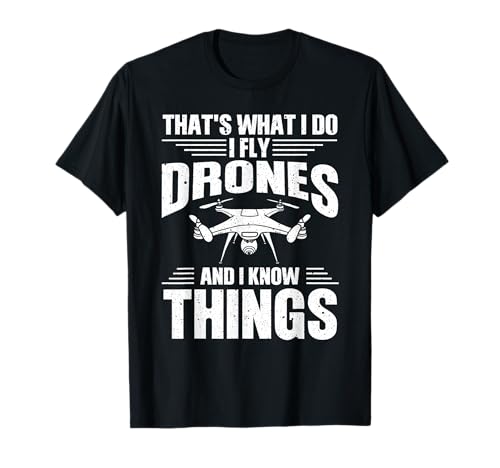
Cool drone design that says "That's What I Do I Fly Drones And I Know Things" for men, women, girls, boys, teens who are enthusiast of fixed-wing, single rotor or multi rotor drone flying. Ideal present for birthday, Christmas or any occasions.

Foldable Propeller for S119 RC Drone, high quality, not easy to break, durable.
Exploring Natural Landscapes From Above

Hey there! Have you ever thought about how stunning natural landscapes can be when you see them from above? Aerial photography gives us a whole new perspective, revealing beautiful patterns and textures that you totally can’t notice from the ground. When we take to the skies, we start to appreciate how fields, rivers, and forests come together in a way that showcases nature’s incredible artistry.
For instance, have you seen the way farm fields create colorful patchworks from above? It’s amazing how these arrangements can look like a piece of art, each crop telling a story about the land. Plus, when you look at a river winding through the landscape from an aerial view, you really get a sense of movement and how all these natural elements interact.
This fresh perspective not only captures the beauty of our planet but also helps us understand the relationships between different ecosystems better. Using drones equipped with 4K Ultra HD cameras can truly enhance the clarity and detail of these breathtaking shots. So, let’s embrace that bird’s eye view and start exploring the world’s natural wonders together! What do you think? Ready to see nature in a whole new light?
Capturing Urban Symmetry and Structure
You know what’s fascinating about city life? When you look at it from above, you really start to appreciate the urban symmetry and structure that often goes overlooked. It’s like a hidden puzzle where streets and buildings come together to create beautiful patterns.
Take a moment to think about how the roads twist and turn, forming neat grids or chaotic loops, depending on where you are. In an aerial view, you can clearly see these geometric patterns, like the way a park fits seamlessly between skyscrapers. It’s all about balance too – the way nature, like trees and green spaces, interacts with human-made structures.
When you see a city from this angle, it almost tells a story. For instance, a perfectly aligned row of townhouses next to an open park gives a feeling of order amidst the hustle and bustle. It’s this symmetry that not only looks great in photographs but also brings a sense of calm to the chaos below. Next time you find yourself in a tall building or on a hill, take a moment to soak in that view – you might see your city in a whole new light! Using drones equipped with custom foam interiors can help capture these intricate aerial patterns safely and securely.
Recommended Products

Carrying Case for DJI Neo: The FSIDIWT carrying hard case is designed for DJI Neo drone and accessories(ONLY FOR DJI NEO)

Specially Designed: This storage case is specially designed for DJI Neo 2 Drone. (Incompatible digital transceiver). Extremely lightweight and compact, it easily fits into a backpack or travel bag, reducing the burden of carrying gear for aerial photography on the go
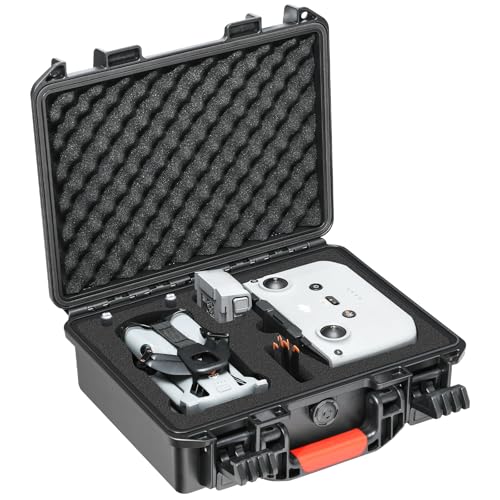
[Carrying Case for DJI Mini 5 Pro with Non-Screen Remote (RC-N1/RC-N3)]: Purpose-built for pilots using the RC-N1 or RC-N3 remote controller, this hard case provides secure storage for the Mini 5 Pro drone, non-screen remote, batteries, propellers, filters, charger, and accessories in a clean and well-organized layout
Must-Have Gear for Bird’s Eye Photography
If you’re looking to capture those breathtaking bird’s eye photography shots, having the right gear can really make all the difference. First off, investing in a high-quality camera that shoots in RAW format is key. This means you can tweak your images later, bring out hidden details, and truly make your photos shine. For example, when you snap a picture of a sprawling landscape, you want every inch of detail to be crisp and clear, right?
Now, let’s talk about lenses. A telephoto zoom lens can be your best friend when it comes to getting unique perspectives. It compresses the distance between subjects, allowing you to capture stunning landscapes that look almost like paintings. Pair that with a sturdy tripod or monopod, and you’ll minimize any shake, giving you those beautifully clear images you want.
And if you’re feeling a bit adventurous, you might want to consider using a drone. They allow you to shoot from angles you simply can’t reach on foot! Just remember, accessories matter too—having ND filters on hand can help control exposure on bright days, making your shots more balanced. Oh, and don’t forget a fast SD card so you can capture every moment without any frustrating delays.
Using a drone equipped with a 3-axis gimbal can ensure your aerial footage stays smooth and stable, even in windy conditions.
With the right gear in hand, you’ll be well on your way to snapping those incredible aerial images that will leave your friends in awe. Now, let’s take a look at some tips for composing stunning bird’s eye shots!
Recommended Products

【6 Pack Snap On Drone Lens Accessories】 The kit for your drone gear includes 4 x Neutral Density filter (ND4/ND8/ND16/ND32), 1 x circular polarizing filter, and 1 x UV filter, compatible with DJI Mini 4K Drone with 4K UHD Camera for Adults/ Mini 2 / Mavic Mini / Mini SE / Mini 2SE and Fly More Combos, meeting various photography needs, from glare reduction to long exposure effects, as well as providing lens protection. Simple snap on design makes easy and swift filter attachment and dismounting

【3 Pack Drone Filter Set】 Compatible with DJI Mini 4K, Mini 2 SE, Mini SE, Mini 2, Mavic Mini and Fly More Combos, this circular polarizing neutral density drone filter set elevates your aerial photography and videography to a professional level. Each lens filter quickly snaps onto the camera and locks into place with a hook for secure attachment during flights

Mavic 4 Pro Dual Focal Length Split Filter Kit: Engineered to overcome the challenges of different focal lengths and apertures, delivering precise exposure control for flawless footage.
How to Edit Your Aerial Photos Like a Pro
After you’ve snagged those incredible aerial shots, it’s time to give them that extra polish with some thoughtful editing. Start by capturing your images in RAW format; this way, you keep all the details intact and have more flexibility when editing later on. For a smooth editing experience, you can use tools like Luminar Neo that offer handy AI suggestions for enhancements, which can save you a bit of time.
Once you’re in the editing phase, focus on color correction and adjusting the contrast. This is where you can really make the patterns and textures pop, giving the images more life. For instance, if you have a photo of a colorful landscape, play around with saturation to make those hues stand out even more.
Don’t forget about selective blurring! You can apply this effect to certain areas of your image to draw attention to specific elements—maybe a winding river or a cluster of trees. And while you’re at it, be sure to clean up any distractions that might take away from the symmetry and patterns that look so stunning from above. It’s definitely worth taking the time to make these adjustments, as you’ll find your photos telling a more compelling story.
With these editing tips in your toolkit, you’ll be ready to transform those aerial shots into works of art. Utilizing AI-powered enhancements can further streamline your editing workflow and elevate your results. Next up, let’s explore ways to share your beautifully edited images with the world!
Recommended Products
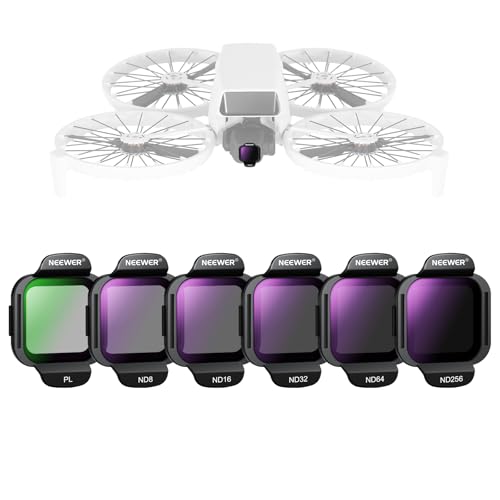
【Compatible with DJI Flip / Lito X1】 This drone gear accessories set is compatible with DJI Flip and Lito X1 Drone. It includes five neutral density lens filters (ND8, ND16, ND32, ND64, ND256) and a PL filter to elevate aerial photography and videography as content creator essential and influencer must have

【Compatible with DJI NEO Drone】Compatible with DJI Drone NEO, this filter accessory kit includes an ND8/PL filter, an ND16/PL, an ND32/PL and an ND64/PL for professional aerial photography and videography as essential equipment for content creators and indispensable equipment for influencers

Precision-Engineered Fit & Complete Protection for DJI FLIP Achieve a perfect, secure fit for your DJI FLIP drone with our custom-designed filter mounts. This kit includes a clear UV filter that serves as a permanent protective lens shield, guarding your drone's valuable camera against scratches, dust, and impacts during flight and transport, ensuring your investment is always safe.
Best Software for Bird’s Eye Photography Editing
Hey, have you ever thought about how to take your bird’s eye photography editing to a whole new level? If so, let me tell you about Luminar Neo. This software is super easy to use, making it a great choice for beginners, yet it still packs some pretty powerful editing tools for those of us with a bit more experience.
One of the coolest features is the AI-powered tools that actually suggest enhancements. For example, you can quickly boost the vibrancy of your colors or use blurring effects to draw attention to the main subject in your photo. Plus, it’s got an easy distraction removal tool that helps clean up your composition, making your shots look even sharper.
What’s great is that Luminar Neo supports RAW image editing, which means you can keep all those fine details in your images, giving you the best quality possible. And if you’re feeling creative, there are options to add unique artistic touches that really make those intricate patterns and textures pop in your bird’s eye shots. So, whether you’re aiming for a professional look or just want to impress your friends, Luminar Neo definitely has your back!
To keep your devices powered up during long editing sessions or outdoor shoots, consider investing in a high-capacity portable charger that supports fast charging technologies to ensure your gear stays ready.
Next, let’s explore some other tools or resources that can complement your editing skills and help you make the most of your photography.
Recommended Products

Perfect for Bright Conditions: Includes ND8/PL, ND16/PL, ND32/PL, and ND64/PL filters to reduce light, control reflections, and enhance colors in sunny environments for vibrant, professional-grade photos and videos.

7-in-1 Combo Kit: Specifically designed for the DJI Mini 5 Pro, perfectly matching the dimensions and ease of use of original accessories. The kit includes a Mini 5 Pro double-layer hard-shell protective case, 6pack mini 5 filter, a 51cm landing pad, RC 2 sun cover, RC 2 leather lanyard, two RC 2 tempered glass screen protectors and Joysticks

【Compatible with DJI Flip / Lito X1】 This filter accessories set compatible with DJI Flip and Lito X1 Drone includes four ND/PL filters (ND8/PL, ND16/PL, ND32/PL, ND64/PL), a circular polarizing filter, and a UV filter to elevate your gear's aerial photography and videography as content creator essential and influencer must have
Showcasing Your Bird’s Eye Photography Online
You know, showcasing our bird’s eye photography online can really ramp up viewer engagement! It’s amazing how these aerial shots reveal all sorts of intricate patterns and textures in our landscapes and cities. Using platforms like Instagram or Pinterest makes it so easy to share our stunning images and attract folks who appreciate these unique perspectives.
Creating an online portfolio or a personal website is a fantastic way to bring all our work together in one place. It gives potential clients and photography lovers a seamless way to explore our photos. When we post our images, let’s remember to add interesting captions or share the stories behind each shot. For example, talking about the moments we captured or the challenges we faced can make the experience more relatable and memorable.
And don’t forget about the power of SEO! Using relevant hashtags, like #BirdsEyeView or #AerialPhotography, helps people find our work, especially those who may not usually pay attention to images that are taken from above. These tags can bring in a wider audience who might just be curious enough to explore more. So, let’s get our work out there and see how it inspires others!
For the best visual quality, consider using drones with 6K Ultra HD cameras to capture the finest details in your aerial photos.
Frequently Asked Questions
What Is the Bird’s Eye View Technique?
The bird’s-eye view technique captures aerial perspectives to create unique compositions. By shooting from elevated heights, we reveal patterns and textures that challenge our perception, transforming ordinary scenes into extraordinary visual experiences that engage our curiosity.
What Is Pattern and Symmetry in Photography?
Like a dance, pattern and symmetry in photography create visual balance, drawing our eyes in harmonious movement. By following composition rules, we can capture striking images that resonate, transforming everyday scenes into enchanting art.
What Is the Bird’s Eye View Method?
The bird’s-eye view method involves capturing images from elevated positions, offering stunning aerial perspectives. It enhances visual storytelling by revealing unique patterns and symmetries, creating a powerful connection between viewers and the scenes captured.
What Are the 4 C’s of Photography?
The 4 C’s of photography are creative composition, camera settings, capture technique, and consistent practice. By mastering these elements, we can elevate our photography, making our images more engaging and visually stunning for everyone to appreciate.