As an Amazon Associate, we earn from qualifying purchases. Some links on this site are affiliate links at no extra cost to you. Our recommendations are based on thorough research and editorial judgment.

Understanding Oblique Angle Shots in Drone Photography

Oblique angle shots in drone photography allow us to capture unique perspectives that blend ground details with stunning horizon views. By tilting the camera between 20 to 45 degrees, we create depth in our images. This technique highlights natural features, like winding rivers or lush landscapes, making our photos more engaging. With the right techniques, such as adjusting altitude and using the golden hour, we can greatly enhance our shots. Let’s explore how to perfect these techniques together.
Key Takeaways
- Oblique angle shots enhance depth by tilting the camera between 20 to 45 degrees, capturing ground detail alongside the horizon.
- The optimal altitude for these shots is 50 to 150 feet, with 75 to 100 feet offering a balanced view.
- Effective composition involves incorporating leading lines, contrasting colors, and textures to engage viewers and highlight natural features.
- Golden hour light enriches photographs, adding warmth and enhancing depth, while shadows can create striking patterns.
- Common mistakes include excessive tilting, overcrowding the frame, and neglecting optimal vantage points, which can diminish photo quality.
What Are Oblique Angle Shots in Drone Photography?
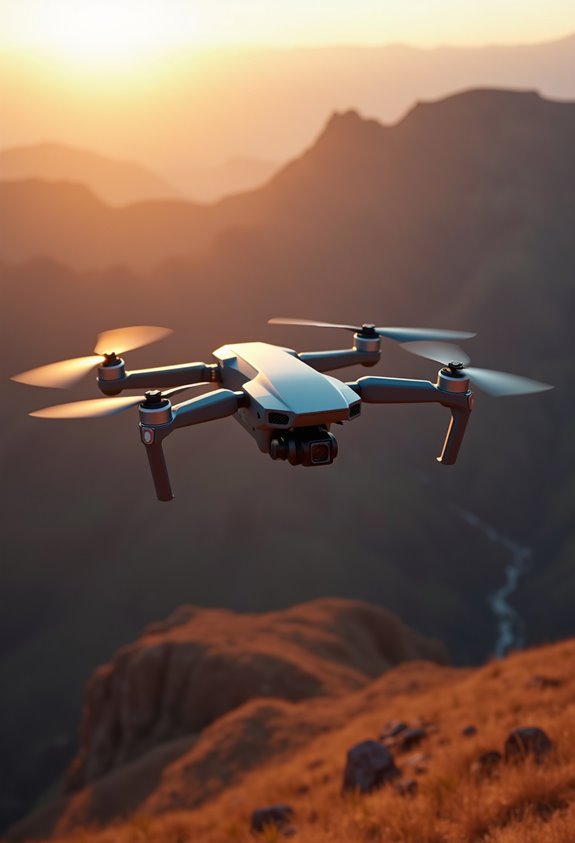
Hey! Have you ever heard about oblique angle shots in drone photography? They’re a fantastic way to capture an interesting perspective of our surroundings. Basically, when we tilt the camera slightly while flying the drone, we can see both the ground beneath us and the horizon at the same time. This technique adds depth to the photo and makes it feel more dynamic.
For instance, if you’re taking a shot of a winding river landscape, an oblique angle can highlight the curves of the water while still showing the lush greenery that surrounds it. It’s a great way to draw the viewer into the scene and reveal details that might be missed with a straight-down shot. Instead of just a flat aerial view, you get to showcase interesting contours and structures, making the landscape come alive.
Next time you’re out with your drone, give oblique angles a try. You might be surprised at how much they enhance your photos! Using precision control with Hall Effect gimbals can help stabilize your drone and improve the quality of these angled shots.
How to Capture Stunning Oblique Angle Shots

When you want to capture stunning oblique angle shots, there are a few handy techniques to keep in mind that can really make your photos pop! For starters, tilting your drone’s camera is an essential step. It not only emphasizes depth but also keeps your composition balanced, which is especially great for highlighting the horizon. Picture this: you’re capturing a beautiful landscape, and by tilting your camera just right, you make the scene feel more dynamic and engaging.
Next, think about varying your altitude. Sometimes, flying at different heights can offer truly unique perspectives. For instance, if you’re photographing a winding river, a mid-level altitude might just allow you to showcase the curves of the water against the terrain beautifully. Don’t forget about leading lines! When you’re out shooting, look for roads or paths that guide the viewer’s gaze through the image—these can really pull everything together and create a sense of movement.
And let’s not overlook the time of day! The golden hour—right after sunrise or before sunset—can bathe your scene in warm, soft light that elevates your photographs to the next level. Practice adjusting your camera settings at various locations, too. You’ll start to notice different angles that make your landscape shots stand out. With a little experimentation, you’ll discover stunning oblique angles that truly capture the essence of your environment. Now, let’s explore how to choose the best moments for those breathtaking shots! Also, considering drones with a 4K camera resolution can significantly enhance the quality of your oblique shots.
Recommended Products

This is a small Camera Platform.

Wide Compatibility: Compatible with digital FPV Camera systems such as DJI O4 Air Unit PRO, O3, Walksnail Avatar, Walksnail Moonlight, RunCam link wasp and 19mm wide analog cameras.

FPV Nylon Dual-Axis Servo PTZ Gimbal Pan/Tilt with 2PCS SG90 9g Micro Servo for RC Airplane FPV Drone Cameras
Benefits of Using Oblique Angles in Aerial Photos

Hey there! You know, using oblique angles in aerial photography can really change the way we see things. Instead of just shooting straight down from above, when you capture images at an angle, you get this amazing mix of aerial perspective and ground detail. It’s like giving your viewers a front-row seat to the landscape, making them feel more connected to it.
For instance, think about how a photograph taken at an oblique angle can reveal the beautiful lines of a river winding through a valley or how it can showcase the detailed architecture of a historic building. These angles invite the viewer’s eye to wander through the image rather than just looking at a flat snapshot.
Plus, oblique shots tend to have a lot more energy. They create movement within the frame and guide us through the scene, making every photo feel alive. Instead of a static bird’s-eye view, you’re offering a dynamic and engaging perspective.
Many 1080P camera drones offer adjustable camera angles which make capturing oblique shots easier and more effective.
Techniques for Perfecting Oblique Camera Tilt and Angle
Hey there! Have you ever tried capturing aerial photography with an oblique angle? It’s a fantastic way to add depth and detail to your images, making them pop off the screen. To really nail those oblique shots, I’ve picked up a few techniques that can help!
First off, tilting your camera between 20 to 45 degrees is key to giving your photos that exciting perspective. It helps highlight the horizon and adds a sense of dimension. Just make sure your camera is stable—any shake can throw off your entire shot. A great tip is to use a gimbal for stabilization, especially if you’re flying.
While you’re up there, don’t be afraid to adjust your tilt on the fly. Sometimes, the best angle isn’t obvious until you’re in the air, so keep experimenting! And if you can, try to incorporate natural leading lines in your framing, like a winding road or a sparkling river; they can draw the viewer’s eye right where you want it.
Also, be careful with wide-angle lenses, as they can distort your image. Make sure your main subjects are clear and well-framed. With a little practice, you’ll be mastering these techniques before you know it! And who knows, maybe your next photo could be the one that leaves everyone in awe!
To enhance your shots even more, consider drones equipped with advanced stabilization technologies to keep your footage smooth and professional-looking.
Recommended Products
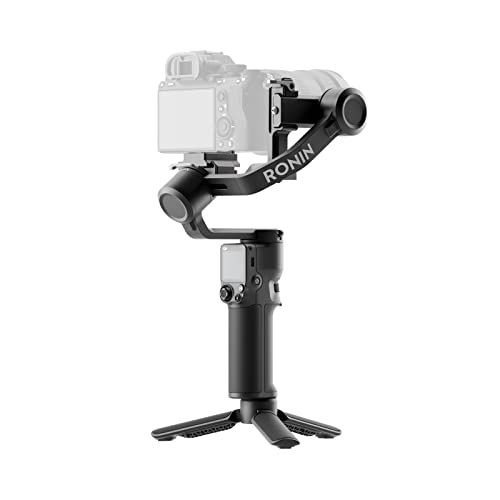
795g (1.75lbs) Lightweight and Portable - DJI RS 3 Mini is an ultra-compact gimbal stabilizer for camera convenient for travel. Weighing only 795g (1.75 lbs), RS Mini 3 is easy to hold for extended shooting.

No Registration Needed - Under 249 g, this drone with camera for adults 4K does not require FAA registration or Remote ID for recreational use. Visit the FAA's official website for requirements related to drone registration and Remote ID. [1]

2-Axis Head Tracking: Paired with CaddxFPV Head Tracker and Avatar HD Goggles, the GM2 enables responsive head tracking on Pitch (±120°) and Roll (±60°). Camera movement follows your head naturally, delivering an immersive FPV experience with enhanced situational awareness and precise control
Ideal Altitude for Captivating Oblique Shots
Finding the perfect altitude for your oblique angle shots can really change how we see landscapes. Usually, shooting from about 50 to 150 feet up is the sweet spot, where you can make subtle adjustments to capture stunning perspectives.
At around 50 feet, you’ll get to see all the fine details and textures of the ground below. For instance, if you’re photographing a forest, that altitude allows you to pick up the unique patterns of the tree canopies. When you rise to about 75 to 100 feet, it helps to balance your composition by clearly showing both the subject—maybe a beautiful lake—and the background, letting everything flow together beautifully.
If you want to give viewers a sense of scale, try shooting from closer to 150 feet. This way, you can show how vast a mountain range is or how expansive a city landscape appears. Don’t forget to experiment with tilting your drone between 20 and 45 degrees; this will really enhance the depth of your shots and keep things visually engaging. It’s all about understanding your camera’s strengths to maximize those angles, setting you up for amazing results!
Choosing a drone with 1080P HD resolution ensures that these spectacular perspectives are captured with vibrant visuals and sharp photos.
Key Composition Techniques for Stunning Oblique Shots
Once you’ve figured out the perfect altitude for your oblique angle shots, it’s time to talk about some composition techniques that can really elevate your photography. To create eye-catching images, think about a few essential strategies you can easily apply.
First up is composition balance. This means arranging the various elements in your frame so that the foreground and background feel connected. For instance, if you have a beautiful tree in the foreground, placing a distant mountain behind it helps create a harmonious scene that draws the viewer in.
Next, consider leading lines. This is a fun technique! Think about using a winding path or a river to direct the viewer’s gaze towards your main subject. It adds depth and keeps the eye moving around the image, making it much more engaging.
Don’t forget about color contrast. If you’re shooting a bright orange sunset, for example, find something dark or muted in the foreground to make that color pop. It really boosts the visual impact of your shot.
Lastly, let’s talk about shadows and textures. Elevating your angle can reveal interesting patterns in the scene. Imagine capturing the ripples of sand or the textures of leaves bathed in daylight; it adds an exciting dimension to your photos.
Also, using drones equipped with larger CMOS sensors can significantly enhance the detail and dynamic range in your oblique shots, especially under varied lighting conditions.
How Can Lighting Enhance Oblique Angle Images?
You know, lighting can really transform oblique angle photos! When you play with light, it’s amazing how much depth and dimension you can add to your images. Think about it—when you shoot during the golden hour, the light is softer and those warm highlights really make everything pop. It’s perfect for enhancing textures and bringing out warm tones in your shots.
Using strong, directional lighting can highlight lines and architectural details, helping to draw your viewers’ eyes exactly where you want them to go. For example, if you’re photographing a building, angle your shot so the sunlight casts long shadows that outline its features nicely. And if you try backlighting, you can create stunning silhouettes against a bright sky, adding a touch of drama to your photo. Combining these lighting techniques with a drone equipped with electronic image stabilization can further enhance the clarity and smoothness of your oblique angle shots.
Editing Oblique Shots: Best Practices and Tools
When editing oblique angle shots, it’s all about enhancing that unique depth and composition in your images. Imagine how the camera tilts to capture fresh perspectives—your job is to make that even more striking! Tools like Adobe Lightroom or Photoshop are fantastic for this.
Start by tweaking the contrast and brightness. This really helps in highlighting the depth the angle creates, making your subject pop against the backdrop. For example, if you have a shot of a city skyline at an angle, a bit of contrast adjustment can make those buildings really stand out against the sky.
Next up, consider cropping and framing. Focus on what matters in your shot. If there’s an interesting foreground element, don’t hesitate to crop tightly around it. This ensures your viewers’ eyes are drawn to the important parts of the image.
Then there’s distortion correction. If you used a wide-angle lens, correcting those wobbly edges can really sharpen your image. After that, think about color grading. You might want to give a warm sunset shot a cozy vibe by leaning into yellows and oranges, or cool things down with blues for a serene, tranquil feel.
Lastly, don’t forget about selective sharpening. This is where you can enhance details and textures without making everything look overly edited. For example, if your image features a textured wall or intricate architecture, sharpening those details can make your photo visually compelling while maintaining a natural look.
Using software with color grading tools like color wheels and curves can help you achieve precise adjustments to bring out the best in your oblique shots.
As you play around with these techniques, you’ll find your own style emerging, setting the stage for even more creative ventures in photography!
Recommended Products

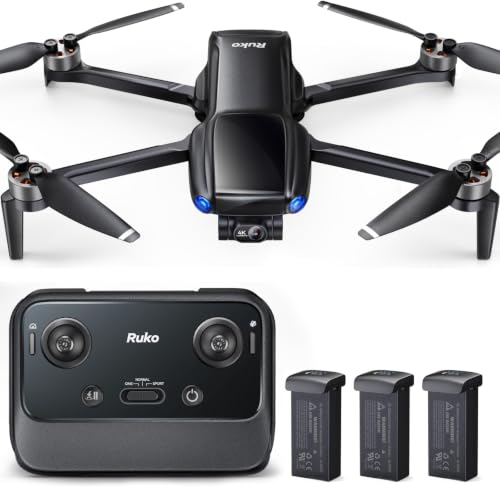
【Pocket-Sized & No FAA Needed】Weighing less than 249g, this drone is fully exempt from FAA registration. Its palm-sized, foldable design makes it the ultimate travel companion, allowing you to capture spontaneous aerial moments without the burden of heavy gear.

【A Fun Tech Gift for Him】 The perfect high-value tech gift for Father’s Day, birthdays or holidays. Whether for parent-child activities or capturing travel memories, this drone brings families together through the joy of flight.
What Mistakes Should You Avoid With Oblique Angles?
Hey there! So, you know how captivating oblique angles can be in photography? Well, once we’ve jazzed up our oblique shots in post-processing, it’s super important to think about the mistakes we should avoid while actually taking those photos. For starters, if you tilt your camera too much, it can really warp the shot and create some confusing perspectives.
Let’s break down some common pitfalls. First, watch out for overcrowding your frame. If you fill it with unnecessary elements, they can steal focus from your main subject. For example, if you’re snapping a picture of a stunning landscape, ensure that clutter like trash cans or bright signs don’t distract the viewer’s eye.
Next up is lighting. Harsh shadows can really do a number on your main subject. If you’re shooting outdoors during midday, try finding some shade to soften those shadows. Also, be mindful of your vantage point. Shooting from way too low can make your subject look awkward, while being too high might cause you to miss important details. Instead, try to find that sweet spot where you can capture all the essentials.
And here’s a tip: when you’re adjusting your angles, avoid making abrupt shifts. This can confuse viewers and disrupt the flow of the photo. Instead, play around with gradual changes to see what feels natural with your subject. With these considerations in mind, you’ll have a much more impactful photo!
Recommended Products

【6 Pack Snap On Drone Lens Accessories】 The kit for your drone gear includes 4 x Neutral Density filter (ND4/ND8/ND16/ND32), 1 x circular polarizing filter, and 1 x UV filter, compatible with DJI Mini 4K Drone with 4K UHD Camera for Adults/ Mini 2 / Mavic Mini / Mini SE / Mini 2SE and Fly More Combos, meeting various photography needs, from glare reduction to long exposure effects, as well as providing lens protection. Simple snap on design makes easy and swift filter attachment and dismounting

【Lightweight Design】 The filter frame is made of aviation aluminum alloy, and the edge of the frame adopts CNC non-slip design, which is easy to install and disassemble. It weighs only 1.2g without affecting drone calibration and balance.

Mavic 4 Pro Dual Focal Length Split Filter Kit: Engineered to overcome the challenges of different focal lengths and apertures, delivering precise exposure control for flawless footage.
What Software Works Best for Editing Oblique Shots?
Capturing those stunning oblique angle shots is thrilling, but let’s not forget how crucial the editing process is to really make those images pop! When it comes to editing oblique perspectives, a few software options make a significant difference.
First off, Adobe Lightroom is fantastic for adjusting exposure, contrast, and colors easily. Imagine you’ve shot a photo of a city skyline at dusk—Lightroom lets you enhance those twilight hues beautifully with just a few sliders. On the other hand, if you need to get detailed with your edits, Photoshop is your best friend. It’s perfect for layering and content-aware fill, which can be a lifesaver for removing distractions or correcting perspective.
Another great option is Capture One, especially for those who love to play with color grading. It helps refine your photos to achieve that polished look you want. If you’re watching your budget, you should check out Affinity Photo. It has many powerful features that help fine-tune your images without breaking the bank.
Don’t overlook mobile apps like Snapseed and Lightroom Mobile, either. They’re super handy for quick edits when you’re on the go. These tools can easily turn your oblique angle shots into stunning visuals, making the editing process just as creatively fulfilling as the shoot itself. Now, let’s talk about some specific techniques you can use to enhance those quirky angles!
For those looking to integrate video elements or create dynamic presentations of oblique shots, considering video editing software can streamline your workflow and elevate your projects to the next level.
Recommended Products

【𝟖𝐊 𝐏𝐡𝐨𝐭𝐨, 𝟒𝐊 𝐇𝐃𝐑 𝐕𝐢𝐝𝐞𝐨】Equipped with a 1/2'' Sony CMOS sensor, it captures 𝟒𝟖𝐌𝐏 𝐩𝐡𝐨𝐭𝐨𝐬 and records 𝟒𝐊/𝟑𝟎𝐟𝐩𝐬 𝐇𝐃𝐑 stable videos within a 𝟑-𝐚𝐱𝐢𝐬 𝐠𝐢𝐦𝐛𝐚𝐥. The F1.8 aperture and 4-in-1 pixels improve low-light performance, details, and color.

【Upgraded 5.5" 1080P RC Screen】: The Bwine F7MINI 4K(RC3) features an upgraded remote with a brilliant 5.5" 1080P screen (60Hz/500nit) for crystal-clear views—perfect for surveying ranchs or inspecting work. Enjoy 3 hours of remote time without low-battery worries, plus 32GB of internal storage to instantly save and review your rc drone shots right on the controller.

Ultra-Stable 4K Footage with 3-Axis Gimbal: Capture smooth, professional-quality 4K/30FPS videos and high-resolution 6K photos using a built-in 3-axis mechanical gimbal. Even in windy conditions or sudden movements, your aerial footage stays stable and cinematic — perfect for travel, family events, and content creation
Frequently Asked Questions
Can Oblique Angle Shots Be Taken in Low-Light Conditions?
Yes, we can capture oblique angle shots even in low-light conditions by utilizing effective low light techniques and adjusting our camera settings. It’s all about finding the right balance for stunning results.
What Drones Are Best for Capturing Oblique Angle Shots?
For capturing oblique angle shots, we recommend drones like DJI and Autel Robotics. With their advanced camera features, including high resolution and stable gimbals, these best drone brands truly elevate our aerial photography to new heights.
How Do Weather Conditions Affect Oblique Angle Photography?
Weather conditions greatly impact our oblique angle photography. Atmospheric effects like haze or strong winds can distort images, while clear skies enhance detail. We should always check forecasts to guarantee ideal shooting conditions for stunning shots.
Is There a Specific Type of Lens for Oblique Shots?
For those breathtaking views, we prefer wide angle lenses and tilt shift lenses. They stretch our perspective, capturing incredible landscapes with depth. It’s like painting a vivid masterpiece in the sky, transforming ordinary scenes into art.
How Do I Ensure Stability While Shooting Oblique Angles?
To guarantee stability while shooting oblique angles, we should optimize camera settings and establish steady flight patterns. It’s vital we monitor wind conditions and adjust our movements for smooth, precise captures throughout the session.