As an Amazon Associate, we earn from qualifying purchases. Some links on this site are affiliate links at no extra cost to you. Our recommendations are based on thorough research and editorial judgment.


Climate-Controlled Storage Solutions for Long-Term Drone Care

When it comes to climate-controlled storage for our drones, we’re looking at essential features like temperature regulation and humidity management. Keeping our drones between 55°F and 78°F helps protect their sensitive components while humidity levels should stay below 55% to prevent moisture damage. Regularly monitoring battery charge at 40-60% is important too. Investing in security and airtight enclosures can guarantee everything remains safe and functional. If we’d like to explore the best practices for maintaining these conditions, we’ve got more to discuss.
Key Takeaways
- Utilize climate-controlled storage to maintain ideal temperatures (55°F – 78°F) and low humidity levels below 55% for drone protection.
- Implement security measures like 24/7 surveillance and alarms to safeguard stored drones from theft or damage.
- Leverage automated monitoring systems to receive alerts about temperature and humidity fluctuations in the storage environment.
- Store lithium-polymer batteries at a 40-60% charge to prevent damage and extend their lifespan during storage.
- Use airtight enclosures with durable materials to protect drones from dust, moisture, and external environmental factors.
Why Climate-Controlled Storage Matters for Drones

Hey there! Let’s chat about why climate-controlled storage is so important for our drones. Just like we need to keep our gadgets in a safe place, drones love a comfy environment too. If we maintain temperatures between 55°F and 78°F and keep humidity below 55%, we can really help extend their life and keep them performing at their best.
Think about it: moisture can be a drone’s worst enemy, especially for those sensitive components. Plus, did you know that lithium-polymer batteries, which power many drones, should be stored at a 40-60% charge? Keeping them in the right conditions can prevent corrosion and ensure they’re ready to fly whenever we need them. I once had a friend who didn’t follow these guidelines, and his drone had issues right before a big event—definitely a learning moment!
Research even shows that climate-controlled storage can improve a drone’s availability by up to 10% and extend the life of both the drone and its components by around 30%. Isn’t that fascinating? So, if you’re serious about getting the most out of your drone, investing in a good storage solution will pay off. Next, let’s explore some practical tips for setting up your own climate-controlled space!
For added protection, pairing climate-controlled storage with a waterproof drone case can safeguard your gear against environmental hazards like water and dust.
Recommended Products

【Custom Design】YETEETH hard case specifically designed for DJI Mini 4K, Mini 2, Mini 2 SE Fly More Combo and other accessories. 【Large Capacity】It can accommodate: 1x...
Essential Features for Optimal Drone Storage Facilities
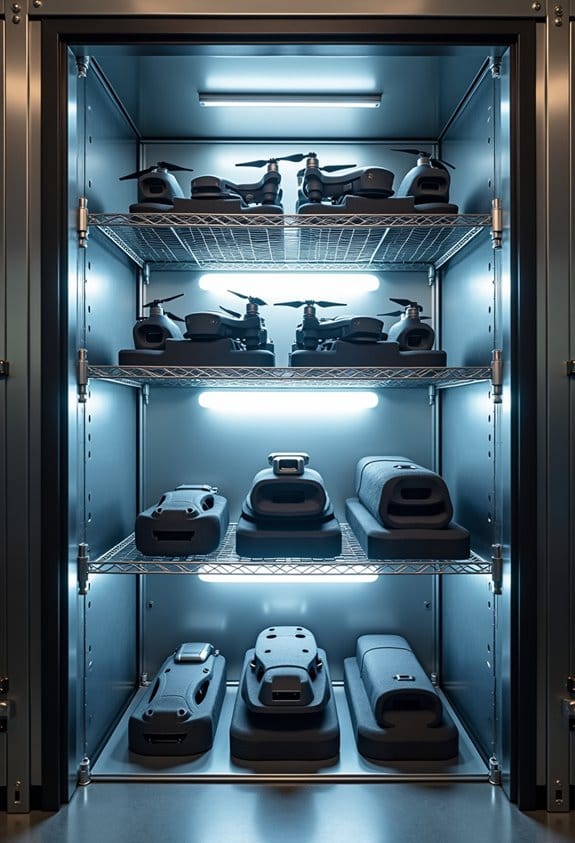
Hey there! So, if you’re thinking about drone storage, climate-controlled storage is super important. But what makes these facilities really effective? Well, there are a few key features you should definitely look for.
First up, consistent temperature control is a must. Ideally, you’d want the facility to keep temperatures between 55°F and 78°F. This range helps protect any sensitive electronics inside your drone. For instance, if your drone has high-tech cameras or navigation systems, keeping them at the right temperature can really prolong their life.
Next, let’s chat about humidity management. A good storage facility will keep humidity levels below 55%. They often use air conditioning and dehumidifiers to achieve this. Why does this matter? High humidity can wreak havoc on batteries and internal parts. Imagine pulling your drone out after a hot, humid summer and finding the battery’s corrosion has set in—definitely not ideal!
Security is also key. Look for places with secure storage features. This includes 24/7 surveillance, alarm systems, and controlled access points. You want to ensure that your drones stay safe from any potential theft.
Another great feature is airtight enclosures. Facilities that use materials like tensile PVC fabric can really help minimize exposure to dust and harsh weather. This makes sure your drone stays in top shape for when you’re ready to fly it again.
Last but not least, consider integrated monitoring systems that regularly check humidity and temperature. A facility that keeps an eye on these conditions can really boost the longevity of your equipment.
Additionally, storing your drone in a case with watertight protection can further guard it against moisture damage during storage.
With all these features in mind, you’ll be well-equipped to choose the right drone storage for your needs. Now, let’s explore maintenance tips to keep your drone in top flying condition!
Recommended Products

[Fit for DJI Mini 4 Pro & Mini 3 Series]: Hard carrying case specifically designed for DJI Mini 4 Pro, Mini 3 Pro, and Mini 3 drones. Features custom compartments for the RC 2 Smart Controller, batteries, charger, propellers, and Fly More Combo accessories. Professional protection for your valuable drone equipment

Adjustable Internal Storage: The removable sponge foam can be adjusted to fit your product for efficient storage and to prevent damage.
![Lykus Titan MM410 Waterproof Hard Case for DJI Mini 4 Pro/Mini 3/Pro and RC2/RC/RC-N2/N1, Support 7 batteries and RC lanyard [CASE ONLY]](https://m.media-amazon.com/images/I/51XbPHPUvWL._SL500_.jpg)
STORAGE - Fit DJI Mini 4 Pro/Mini 3/Pro, DJI RC 2/RC/RC-N2/N1, up to 7 batteries, charging hub, charger, cables, filterset case, propellers, and more accessories
Best Drone Storage Practices for Your Equipment
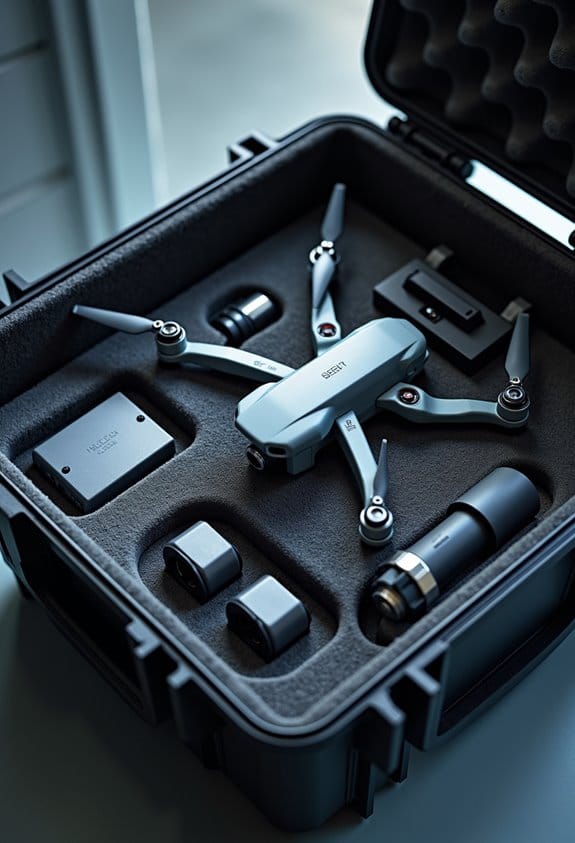
If you want to keep your drones in top shape, it’s essential to follow some best storage practices. You might think that just putting them away is enough, but the right environment plays a huge role in preserving all those sensitive components.
First up is your storage environment. Aim for a climate-controlled space where the temperature stays between 55°F and 78°F, and humidity is kept below 55%. Think of it this way: if it feels muggy and uncomfortable for you, it’s probably not great for your drone either! A simple way to maintain this is by using a dehumidifier in your storage room or investing in a temperature monitor.
Next, let’s talk about protective cases. Using robust cases with shock absorption features can really save your drone from dust and any accidental bumps. Consider something like a hard-shell case that fits snugly, as it’ll help shield your equipment when it’s not in use.
Battery care is another crucial aspect. You should aim to store your batteries at a 40-60% charge and, if you can, use an auto-discharge setting. This helps prevent issues like leakage or swelling, which could be a real headache down the line.
Finally, don’t forget about regular monitoring! Using smart technology to check your storage conditions can give you peace of mind. For example, you can set up a simple sensor that alerts you if temperatures drift outside the safe range.
Additionally, investing in a case with custom foam inserts can provide added protection by securing your drone and accessories snugly during storage.
All of these steps can really make a difference in the longevity and performance of your drones. By taking care of how and where you store them, you’ll be setting yourself up for exciting future flights without the worry of equipment failure. Speaking of which, let’s explore some tips on routine maintenance that can further enhance your drone’s performance and lifespan!
Recommended Products
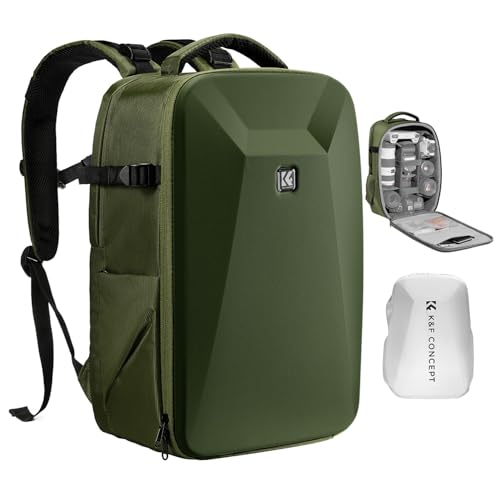
【Hardshell Camera Bag】Extenal Size:17.3 x 11 x 7 inches.Capacity:22L This multi-functional hard shell camera backpack is designed for different brands of DSLR/SLR/Mirrorless cameras. The removable modular inserts as customized dividers for different cameras, flashes and lens. The back pocket is a laptop compartment which can store up to 15.6 inches laptop.
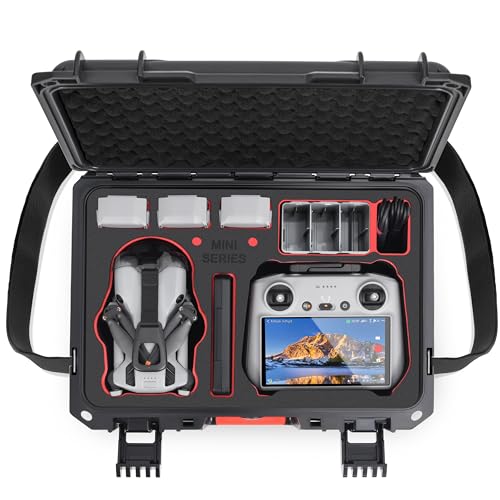
Custom Design: This hard case is specifically designed for DJI Mini 5 pro Drone & Fly More Combo, RC2/RC-N3 Controller and other accessories, Also compatible with the Mini 4 Pro, Mini 3, and Mini 3 Pro
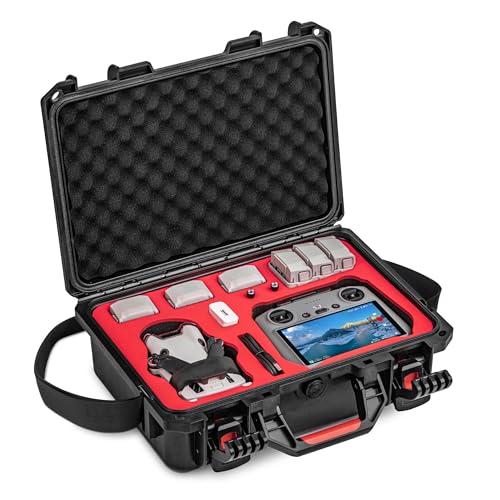
Custom Design: This hard case is specifically designed for DJI Mini 4 pro/Mini 3/Mini 3 Pro & RC Controller and other accessories.
How to Maintain Optimal Conditions for Long-Term Care
Hey there! If you’re looking to keep your drones in tip-top shape over the long haul, maintaining optimal conditions is super important. The best way to do this is through proper storage. Imagine a climate-controlled room where the temperature hangs out between 55°F and 78°F, and the humidity stays below 55%. This kind of environment prevents any moisture damage, which is crucial for your devices!
Here are a few easy steps you can take. First, consider using automated monitoring tech to keep an eye on temperature and humidity levels without any hassle. That way, you’ll get alerts if something goes awry. Next, store your drones in air-tight enclosures made from sturdy PVC fabric—this will help shield them from dust and other elements.
Also, don’t forget about the batteries! Regularly check your lithium-polymer batteries and keep them charged to around 40-60%. This can help prevent issues like swelling or leaking, which can be a real headache. And make sure there’s proper ventilation in your storage space; this helps avoid overheating and condensation.
Choosing storage solutions that feature durable, protective materials similar to those rated IPX8 waterproof can add an extra layer of reliability to your drone care.
With these simple strategies, you’ll keep your drones in great condition for many flights to come! Now, let’s chat about how to troubleshoot any issues that might pop up.
Recommended Products
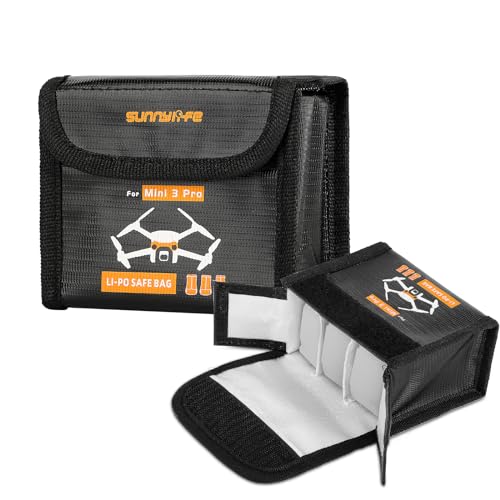
Flame Retardant Material: the inner fabric is made of high flame-retardant nylon fiber, and the outer material is pvc flame-retardant cloth.heat resistance,explosion proof,and fireproof.

Tenergy 2 pack 7.3x3x2.4 inches lipo bags for charging and storing LiPO batteries and battery packs.

Flame Retardant Material: The inner fabric is made of high flame-retardant nylon fiber, and the outer material is pvc flame-retardant cloth.heat resistance,explosion proof,and fireproof.
How to Fix Common Drone Storage Problems
Hey there! Let’s talk about drone storage problems—believe me, they can sneak up on you even if you think you’ve got everything covered. To keep your drone in top shape, it’s super important to think about the environment it’s stored in. Ideally, use a climate-controlled area where you can keep the temperature steady and humidity around 45%. This helps prevent pesky issues like corrosion that can mess with performance.
It’s also a good idea to check the temperature and humidity levels regularly. For instance, simply placing a hygrometer in the storage area can help you keep an eye on changes. And when it comes to your batteries, make sure you’re storing those lithium-polymer ones at a charge between 40-60%. This way, you’re less likely to deal with leakage or swelling when you’re ready to fly again.
Another tip? Invest in some foam padding and strong packing materials. These will protect your drone from bumps and bruises if it’s being stored for a while. And don’t forget an air-tight enclosure! It’ll keep dust and grime at bay, making sure your drone is as ready to hit the skies as you are when the time comes. You might also consider using water-resistant storage bags to provide an extra layer of protection against moisture and leaks.
Recommended Products

for Dji Neo 2/1 Drone Lipo Battery Bag Fireproof: the inner fabric is made of high flame-retardant nylon fiber, and the outer material is pvc flame-retardant cloth. fireproof, heat-resistant, explosion proof, keep your stuff away from a fire disaster.

【Bag Material】- Liquid silicone fireproof cloth + non-woven cloth + glass fiber cloth, fireproof inside and outside the explosion-proof bag, the highest temperature resistance is 1000 degrees.

Compatibility: suitable for DJI Mavic Mini 2/ Mini 2 SE/Mini 4k Drone Storage Carrying Case.
Frequently Asked Questions
How Much Does It Cost to Build a Climate-Controlled Storage?
When building a climate-controlled storage facility, we’re looking at a cost analysis that includes insulation materials, temperature regulation, humidity control, and maintenance expenses, often totaling $25 to $100 per square foot, depending on space requirements.
What Items Should Be Stored in Climate-Controlled Storage?
We should store drone batteries, sensitive electronics, photographic equipment, outdoor gear, vintage collectibles, important documents, musical instruments, and fine art in climate-controlled environments to protect them from damage and guarantee their longevity.
Is Climate-Controlled Storage Worth It?
Absolutely, climate-controlled storage’s worth it! With benefits like ideal temperature control, humidity levels preventing corrosion, and reduced maintenance needs, the cost analysis shows drone protection is invaluable. Our user experience speaks volumes about long-term savings and performance.
Can Mold Grow in a Climate-Controlled Storage Unit?
Yes, mold can grow in climate-controlled storage units. We’ve found that proper humidity control, cleanliness maintenance, and air circulation are essential for mold prevention. Regular checks can help mitigate long-term effects on our stored items.


