As an Amazon Associate, we earn from qualifying purchases. Some links on this site are affiliate links at no extra cost to you. Our recommendations are based on thorough research and editorial judgment.

How to Create Compelling Leading Lines From Above

To create compelling leading lines from above, we should look for natural and manmade pathways, like roads or rivers, that guide the viewer’s eye. Positioning our camera at the right angle before capturing can add depth and enhance the visual story. Experimenting during the golden hour provides soft lighting, highlighting lines effectively. We must also simplify backgrounds to keep focus on our subject. By continuing on this topic, we’ll uncover more techniques to elevate our aerial photography skills.
Key Takeaways
- Utilize pathways, rivers, and roads as natural leading lines that guide the viewer’s eye through the image.
- Position the camera at a slight angle to create depth and enhance the visual impact of the leading lines.
- Shoot during the golden hour to take advantage of soft, warm light that enhances textures and curves.
- Simplify the foreground to avoid distractions, ensuring that leading lines direct attention toward the main subject.
- Experiment with wide-angle lenses to capture more of the landscape, maximizing the effect of leading lines in your shot.
Introduction to Aerial Photography and Leading Lines

Hey there! Have you ever tried aerial photography? It opens up a whole new world filled with stunning perspectives and fascinating compositions, especially when you pay attention to leading lines. These lines—think of roads, rivers, or even fences—act like visual pathways that guide our eyes through the scene and add a sense of depth to the image.
When you’re shooting from above, you start to notice patterns in the landscape that often go unnoticed from the ground. For example, a winding river can create a beautiful curve across the land, or the straight lines of agricultural fields might reveal a patchwork quilt of colors and textures. And let’s not forget about the magic of the golden hour! That soft, warm light can really enhance those leading lines, making your photos pop with drama and emotion.
Don’t be afraid to experiment a bit! Try different altitudes and angles with your drone or camera. A slight shift in position can completely change the composition of your shot, revealing new, exciting ways to use those leading lines. Each perspective offers something unique, turning your aerial photography into a captivating storytelling tool. So, ready to explore more about how to make your compositions even stronger? Let’s go!
Using drones with features like 3-axis gimbals can greatly improve the stability and smoothness of your footage, making those leading lines even more striking.
How to Identify Leading Lines From Above

Hey! Have you ever thought about how to spot leading lines when you’re looking at landscapes from above? It’s pretty fascinating! When you’re up in the air, you can really pick out those elements that draw your eyes in.
Start by scanning for pathways, roads, or trails. These create clear visual paths, almost like breadcrumbs, guiding your gaze toward something interesting. For instance, imagine an endless road stretching through a lush forest; it not only leads you to a focal point but also adds depth to the scene.
Also, keep an eye out for rivers and streams. They often curve and meander, creating strong lines that catch your attention. And don’t forget about those diagonal lines from hillsides or urban buildings. They really help to create a sense of motion and perspective in your aerial shots.
Take note of how manmade structures, such as bridges or fences, interact with natural landscapes. It’s a unique blend that can bring out powerful leading lines. Lastly, always pay attention to light and shadows. They can dramatically enhance those lines, making them stand out even more.
Using intelligent flight modes available on many drones can help you capture these lines with greater precision and creativity.
Recommended Products

Foldable Propeller for S119 RC Drone, high quality, not easy to break, durable.

Type: USB Charger Cable; Quantity: 1 piece

With the built-in motion sensor and lipo battery, VIFLY Beacon can detect the drone crash automatically and make the alarm to help you locate the lost drone.
Where to Shoot for the Best Leading Lines

To get the best leading lines in your photos, picking the right spots to shoot is key. I mean, just think about it—when you’re up high on a hill or rooftop, you can see those cool lines created by roads or rivers that you’d totally miss if you were just on the ground. It’s all about perspective!
Look out for places where lines converge, like bridges or paths. They naturally draw the viewer’s eye right where you want it to go. And cities? They’re a treasure trove for interesting patterns—think sidewalks, building edges, and even the lines of the street itself. On the flip side, if you’re in nature, winding rivers or trails can show off their leading lines beautifully from above, making your shots really pop.
Finally, don’t overlook how important the time of day and lighting are. The right light can really highlight those leading lines in your landscape photos. So, when you’re planning your shoot, think about those factors—they can make all the difference! For capturing these details crisply, using a drone with 4K or higher camera capabilities is highly recommended.
Recommended Products

𝟒𝐊 𝐂𝐚𝐦𝐞𝐫𝐚 𝐟𝐨𝐫 𝐒𝐡𝐚𝐫𝐩, 𝐃𝐞𝐭𝐚𝐢𝐥𝐞𝐝 𝐒𝐡𝐨𝐭𝐬: Capture crisp photos and clear 4K video for trips, family moments, and everyday outdoor filming. The 110° wide-angle lens helps you fit more scenery into every frame.

High-Resolution 4K HD Camera: This MSMV drone with camera is fitted with high-resolution 4K HD camera that can record clear aerial videos and photos, suitable for adults and kids to record daily fun moments outdoors
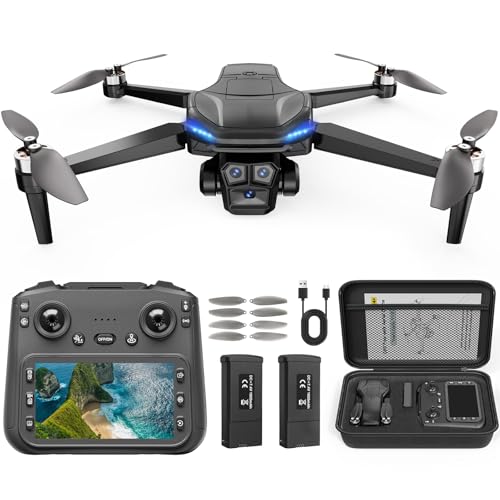
Real-Time 4K Transmission: This FPV drone is equipped with a 4K high-definition camera, providing real-time video transmission to your phone or the built-in 4.5-inch display on the controller. You can capture stunning aerial photos and videos and save them directly to your device as you fly. The camera lens tilts up to 90°, giving you multiple shooting angles for more creative footage.
Framing Techniques to Emphasize Leading Lines in Aerial Shots
Aerial photography offers such a cool perspective, especially when it comes to capturing leading lines that can turn a regular shot into something really captivating. Imagine taking a photo of a winding river or a long stretch of road from above; these natural patterns can really draw the viewer’s eye in a way that’s pretty magical. If you use a wide-angle lens, you’ll include more of the landscape, which helps to highlight those lines even more.
When you’re up there shooting, think about your height and angle. Lower elevations can give your shots a fantastic sense of depth, making your leading lines pop. Try framing your shot so that these lines lead right to a focal point, like a tree or a building; that way, you’re guiding the viewer’s gaze exactly where you want it. And don’t forget about the rule of thirds! Positioning those lines diagonally can put some movement into your image, making it much more dynamic.
To achieve smoother motion and stability in your shots, consider drones equipped with a 3-axis gimbal for steady aerial footage.
Recommended Products

【FAA CERTIFIED COMPLETED】: The Bwine drone has completed remote ID certification and complies with the FAA Declaration of Compliance. Get a Bwine drone, and fly unhindered. You can find the remote ID on the drone arm, including the QR code. For any more questions about FAA Remote ID, please get in touch with us via the contact information on the back cover of the manual or the Bwine drone APP.

【6K Ultra HD + 3-axis Brushless Gimbal】 Adopting a professional imaging system and imported sensors, Bwine 18MP camera drone captures sharp 6K photos and fluent 4K 30fps videos. The 3-axis brushless gimbal raises stability accuracy by 300%, keeping steady in strong winds and high-speed flight. Perfect for extreme outdoor lovers, farm and ranch inspection, it lets you record fine scenery effortlessly.

No Registration Needed - Under 249 g, this drone with camera for adults 4K does not require FAA registration or Remote ID for recreational use. Visit the FAA's official website for requirements related to drone registration and Remote ID. [1]
Creating Depth Through Perspective in Aerial Photography
Hey there! Have you ever looked at the world from above? Aerial photography gives us a stunning new perspective, and it can really change how we see landscapes. When you capture photos from the sky, leading lines are super important because they guide our eyes through the image, almost like a little adventure across the scene.
When you’re setting up your shots, try to place these lines along the rule of thirds. This simple trick helps create a balanced composition that grabs attention. For instance, if you’re photographing a winding river or a path leading into the distance, placing it off-center can make the whole image more engaging. And don’t be afraid to play around with altitudes; you might discover patterns and lines that are invisible when you’re on the ground!
Think about how horizontal lines, like a coastline or a flat field, can bring a sense of calm to your photo. On the flip side, diagonal lines can add energy and movement, as if you’re capturing something dynamic in real-time. By incorporating these elements thoughtfully, you’ll create aerial photos that reveal so much more than just what’s on the surface. And who knows? You might uncover something unexpected that leaves viewers wanting more!
Using drones equipped with advanced gimbal stability technology can help ensure your leading lines are captured with smoothness and precision, enhancing the overall visual impact of your aerial shots.
Post-Processing Tips for Aerial Photography Leading Lines
When it comes to aerial photography, using leading lines can really make your photos pop. But don’t forget: post-processing is where you can take those stunning shots to the next level! For instance, tweaking the contrast and brightness can really help those lines stand out against the background. Think about a winding road or a river cutting through a landscape—boosting the contrast can emphasize those features beautifully.
Next, let’s talk about selective sharpening. Instead of sharpening the entire image, focus on the leading lines themselves. This keeps the viewer’s eye glued to the main elements of your composition. It’s like highlighting the path in a treasure map!
Don’t overlook cropping tools, either. If there are distractions around your leading lines, trim those areas out. This helps guide the viewer’s gaze directly to your subject, making for a cleaner, more engaging image. And remember to play around with color correction—adjusting hues can create a more harmonious feel from the foreground to the background, allowing the lines to blend nicely into the scene.
One last tip: consider adding a subtle vignette. Darkening the corners of an image can direct attention right where the leading lines converge. It’s a simple but effective way to keep the focus on what matters most.
Also, using drones with advanced image stabilization can greatly enhance the clarity of your aerial shots, making post-processing even more effective.
With these techniques in your toolkit, you’ll bring a fresh perspective to your aerial shots! Now, let’s explore some effective ways to capture those leading lines in the first place.
Recommended Products

【Compatible with DJI NEO Drone】Compatible with DJI Drone NEO, this filter accessory kit includes an ND8/PL filter, an ND16/PL, an ND32/PL and an ND64/PL for professional aerial photography and videography as essential equipment for content creators and indispensable equipment for influencers

Precision-Engineered Fit & Complete Protection for DJI FLIP Achieve a perfect, secure fit for your DJI FLIP drone with our custom-designed filter mounts. This kit includes a clear UV filter that serves as a permanent protective lens shield, guarding your drone's valuable camera against scratches, dust, and impacts during flight and transport, ensuring your investment is always safe.

Compatible with DJI Neo 2: Our filter is intended for DJI Neo 2 accessories. The Neo 2 filter uses a premium nano-adhesive for secure, tool-free attachment that won't damage the lens or add extra weight. Installation and removal are a breeze, just peel it on or off. Weighing only 1 gram, its ultra-thin design ensures zero impact on your drone's balance or flight performance
Mistakes to Avoid in Aerial Leading Lines
Hey there! You know, capturing those stunning leading lines in aerial photography can really take your images to the next level. But there are a few common mistakes that can get in the way. Let’s chat about how to avoid those pitfalls together!
First off, consider your camera angle. If you shoot directly overhead, you might end up flattening those beautiful lines. Instead, try angling your camera slightly to create more depth—a tilted perspective can really make a difference. For instance, if you’re photographing a winding river, position your camera at an angle that captures the curves, drawing the viewer’s eye along the water’s path.
Next, distractions can be a real bummer. A cluttered background might divert attention from your lines, so aim for simpler scenes. Think about a grassy field leading up to a beautiful tree. The less distraction, the more your leading lines stand out!
Lighting is another biggie. Harsh shadows or overexposed areas can obscure those lines you want to highlight. Try shooting during the golden hour, when the light is softer and more flattering. This can really enhance the visual appeal and bring out the details in your leading lines.
Don’t forget about your foreground elements! If there’s too much going on upfront, it can confuse your viewers. Keep it simple. For example, if you capture a winding path, a clean, unobtrusive foreground helps keep the focus on that pathway.
Lastly, always prioritize your main subject. Make sure the leading lines draw the eye directly to it, like an arrow pointing right where you want viewers to look. Using drones equipped with advanced thermal imaging technology can also help highlight lines and shapes not easily visible to the naked eye, adding unique visual interest to your shots.
Recommended Products
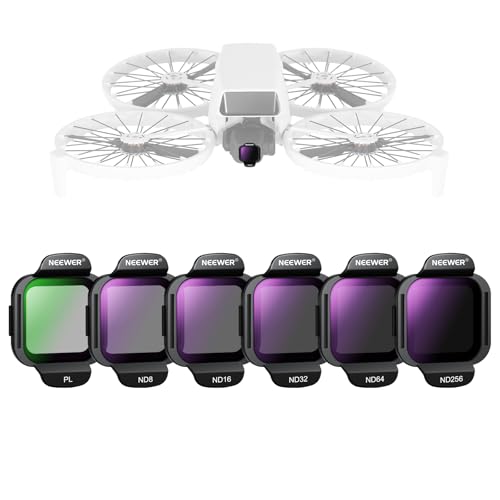
【Compatible with DJI Flip / Lito X1】 This drone gear accessories set is compatible with DJI Flip and Lito X1 Drone. It includes five neutral density lens filters (ND8, ND16, ND32, ND64, ND256) and a CPL filter to elevate aerial photography and videography as content creator essential and influencer must have

Perfect for Bright Conditions: Includes ND8/PL, ND16/PL, ND32/PL, and ND64/PL filters to reduce light, control reflections, and enhance colors in sunny environments for vibrant, professional-grade photos and videos.

【3 Pack Drone Filter Set】 Compatible with DJI Mini 4K, Mini 2 SE, Mini SE, Mini 2, Mavic Mini and Fly More Combos, this circular polarizing neutral density drone filter set elevates your aerial photography and videography to a professional level. Each lens filter quickly snaps onto the camera and locks into place with a hook for secure attachment during flights
Frequently Asked Questions
How Do You Emphasize Leading Lines?
To emphasize leading lines, we can explore dynamic angles and framing techniques that incorporate natural elements and geometric shapes. Using color contrast highlights focal points, making our compositions more engaging and visually striking for the viewer.
What Is the 3:1 Rule in Photography?
The 3:1 rule’s essential for achieving visual balance in photography. By following the 3:1 ratio, we enhance composition techniques, frame our elements better, and create depth—making our images more compelling. Let’s apply this rule effectively!
How to Create Leading Lines?
To create leading lines, let’s explore perspective angles and dynamic compositions. We can use natural formations, urban landscapes, and architectural patterns while incorporating color contrasts and texture variations to enhance our visuals effectively.
What Are Some Creative Leading Line Ideas?
We can explore bird’s eye views showing street patterns, architectural features, and urban walkways. Nature paths and foliage lines, alongside water flows, create unique leading lines that captivate viewers and enhance our photographic narratives.