As an Amazon Associate, we earn from qualifying purchases. Some links on this site are affiliate links at no extra cost to you. Our recommendations are based on thorough research and editorial judgment.


How to Use Shadows Creatively in Aerial Compositions

To use shadows creatively in aerial compositions, we can enhance depth and texture through several techniques. First, consider the light direction; golden hours create longer, softer shadows that reveal land textures. We should experiment with altitude to manipulate shadow length and contrast, drawing attention to main subjects. Incorporating natural lines, like winding rivers or roads, transforms ordinary scenes into compelling visuals. This exploration creates dynamic imagery, inviting viewers to experience the landscape in new ways, and there’s more to discover.
Key Takeaways
- Experiment with light direction during golden hours to capture long, dynamic shadows that enhance landscape textures and depth.
- Adjust flying altitude to manipulate shadow length and dramatic effects, adding visual interest to compositions.
- Incorporate natural leading lines from shadows to guide the viewer’s eye and enhance storytelling within the photograph.
- Utilize high-resolution camera technology to capture intricate shadow details, improving overall image clarity and impact.
- Explore longer exposure times to emphasize the interplay between light and shadow, creating texture and movement in aerial images.
Understanding How Shadows Transform Aerial Landscapes
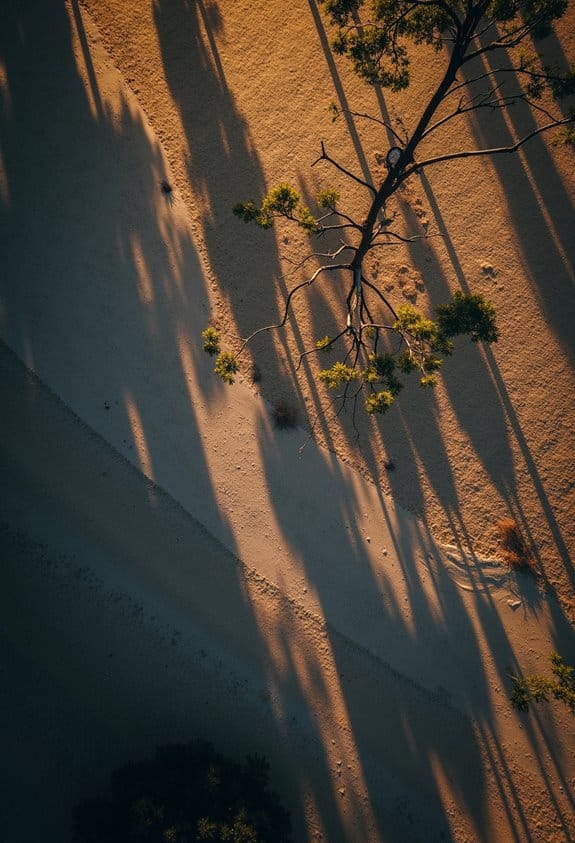
When we look at aerial landscapes, it’s fascinating to see how shadows can completely change our perception of these scenes. Think about it: a well-placed shadow can add depth and dimension that really draws you in. For example, during the golden hour—just before sunset—the sun casts long shadows that enhance the shapes of hills and valleys, creating a stunning visual contrast.
Have you ever noticed how shadows can guide your eyes across a photograph? Just like a pathway, they can lead you to the most interesting parts of the landscape. Imagine a winding river, with its shadows stretching alongside; it doesn’t just look pretty but also gives a sense of movement and direction. Plus, shadows often highlight textures, showing off details that might otherwise go unnoticed, like the rough terrain of rocky cliffs or the soft contours of grassy knolls.
Ultimately, understanding how to work with shadows is key to taking captivating aerial photos. It’s amazing how they can turn flat shapes into dynamic patterns, enriching the overall story each landscape tells. This opens up so many creative possibilities for your photography. Additionally, using monitors with higher resolutions can help you better appreciate and edit the intricate details revealed by shadows in your aerial compositions. What do you think? Would you like to explore more about how light influences other aspects of photography?
How Light Direction Impacts Shadows in Aerial Photography
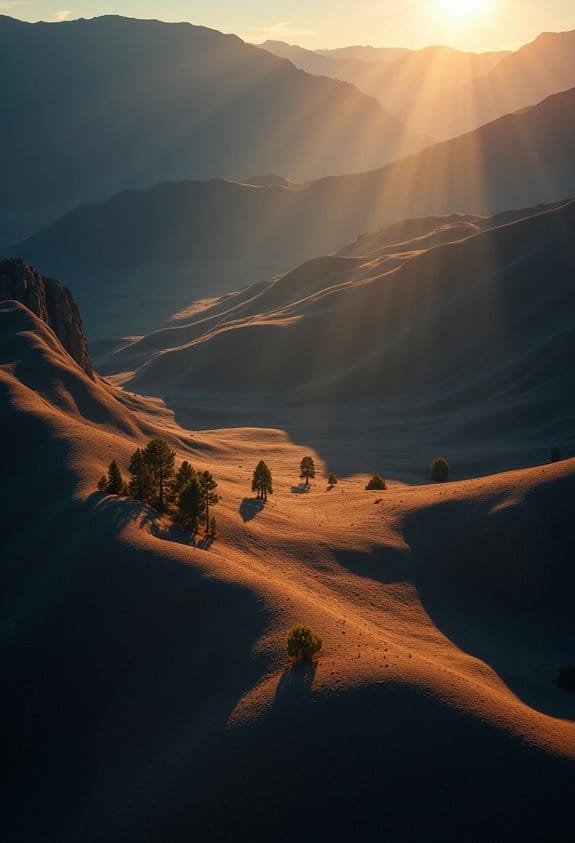
Hey! Let’s chat about how the direction of light plays a big role in aerial photography, especially when it comes to shadows. When you think about it, the way light hits a landscape can totally change the vibe of your photos. For example, during sunrise or sunset, the sun sits low on the horizon, casting long and soft shadows that really bring out the texture of the land. This time of day is perfect for capturing the curves of hills or the lines of a winding river, highlighting the beauty of the scene!
Now, if you’re shooting in the middle of the day, the sun is directly overhead. This angle creates harsh shadows that can emphasize patterns, like the geometric shapes of fields or roads, but sometimes it can make your main subject look flat and a little less appealing. If you’re able to, try to avoid shooting when the sun is directly above for those more dramatic scenes.
And here’s a little tip: when you shoot directly overhead, the shadows almost disappear, which flattens everything out. It can be an interesting perspective but might not always convey the depth you want. By experimenting with these different light situations, you can create images that draw the viewer’s eye right where you want it, whether you’re aiming for dramatic landscapes or peaceful, serene views. Understanding how light and shadow interplay not only enhances your compositions but also tells a more engaging story.
Speaking of stories, let’s delve into some specific techniques you can use to capture stunning aerial shots! Using a drone with features like 4K Ultra HD cameras helps ensure your shadow details are captured with high clarity and precision.
Recommended Products
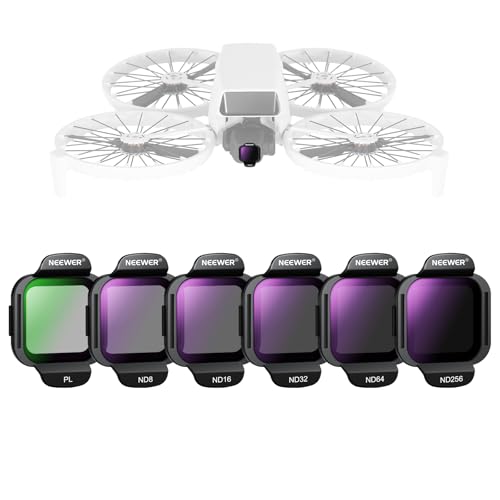
【Compatible with DJI Flip / Lito X1】 This drone gear accessories set is compatible with DJI Flip and Lito X1 Drone. It includes five neutral density lens filters (ND8, ND16, ND32, ND64, ND256) and a PL filter to elevate aerial photography and videography as content creator essential and influencer must have

【Compatible with DJI NEO Drone】Compatible with DJI Drone NEO, this filter accessory kit includes an ND8/PL filter, an ND16/PL, an ND32/PL and an ND64/PL for professional aerial photography and videography as essential equipment for content creators and indispensable equipment for influencers
Practical Techniques for Capturing Dappled Shadows From Above
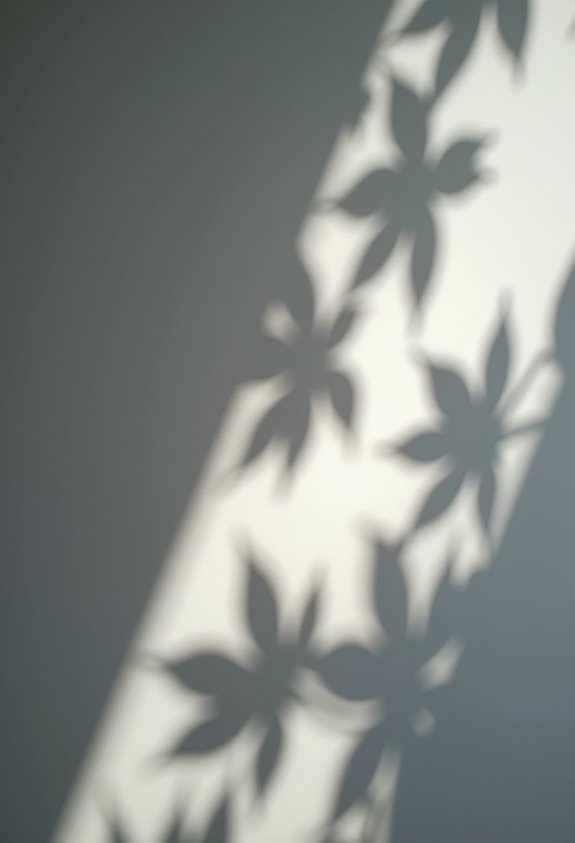
Hey! You know, capturing dappled shadows from above can really take your aerial photography to the next level. It’s all about playing with the light filtering through leaves or branches, which creates these beautiful, patchy shadows that add a touch of magic to your shots. Imagine flying over a park in the early morning, when the sunlight streams through the trees, casting interesting shapes on the ground.
One great way to experiment is by changing your altitude and angle. Think about how the view shifts when you’re higher up or at an angle – it can really boost the contrast in your images. And don’t forget to pay attention to the ground below you. For example, a cobblestone path can add a rugged texture, while the lush greenery of a tree canopy can provide a vibrant pop of color against those soft shadows.
Timing is important too; aim for those golden hours of early morning or late afternoon. That’s when the shadows stretch out and give your photos that extra sense of depth. Plus, incorporating natural lines—like a winding path or a stream—can really draw the viewer’s eye around the picture, telling a richer story. Using a drone with intelligent flight modes can help you maintain steady and creative angles for capturing these shadow patterns effectively.
Recommended Products

【3 Pack Drone Filter Set】 Compatible with DJI Mini 4K, Mini 2 SE, Mini SE, Mini 2, Mavic Mini and Fly More Combos, this circular polarizing neutral density drone filter set elevates your aerial photography and videography to a professional level. Each lens filter quickly snaps onto the camera and locks into place with a hook for secure attachment during flights

Precision-Engineered Fit & Complete Protection for DJI FLIP Achieve a perfect, secure fit for your DJI FLIP drone with our custom-designed filter mounts. This kit includes a clear UV filter that serves as a permanent protective lens shield, guarding your drone's valuable camera against scratches, dust, and impacts during flight and transport, ensuring your investment is always safe.
Create Compelling Compositions With Shadow Leading Lines
Shadows can really work wonders in creating stunning aerial compositions. They not only draw the viewer’s attention to your main subjects but also add a sense of depth and intrigue. Think about that perfect light during the golden hour; the way the sun casts long, dramatic shadows can lead your viewer’s eye right into your image. For example, if you’re photographing a cityscape, consider how the tall buildings create shadows that can guide your eye towards a prominent landmark.
When you’re out capturing images, pay close attention to the direction and length of those shadows. They can help frame your subject beautifully or create visual pathways that draw the viewer in. Imagine how the shadows stretch across a winding road or ripple over a serene waterway; they can connect different landscape features and add layers to your composition. This little detail can really enhance your visual storytelling.
Next time you’re exploring with your camera, keep these techniques in mind. It might change the way you see the world through your lens! Using drones with electrically adjustable lenses can offer new perspectives on shadows and light, making your compositions even more dynamic.
Recommended Products

Perfect for Bright Conditions: Includes ND8/PL, ND16/PL, ND32/PL, and ND64/PL filters to reduce light, control reflections, and enhance colors in sunny environments for vibrant, professional-grade photos and videos.

7-in-1 Combo Kit: Specifically designed for the DJI Mini 5 Pro, perfectly matching the dimensions and ease of use of original accessories. The kit includes a Mini 5 Pro double-layer hard-shell protective case, 6pack mini 5 filter, a 51cm landing pad, RC 2 sun cover, RC 2 leather lanyard, two RC 2 tempered glass screen protectors and Joysticks
Using Shadows to Enhance Depth and Texture in Aerial Shots
You know, when it comes to aerial photography, one of the coolest tricks to really spice up your shots is using shadows. They can add a lot of depth and texture to your photos, making them more compelling to look at. For instance, shooting during the golden hour—right after sunrise or just before sunset—creates these long, beautiful shadows that can really highlight the intricate details of a landscape. It’s amazing how things that seem flat from ground level can come to life in the air.
Another fun thing to experiment with is the altitude from which you shoot. Different heights can change the way shadows look, creating interesting shapes that contribute to your overall composition. For example, if you’re flying low over a field, you might catch the shadows of trees casting lines that lead the viewer’s eye through the image. This layering effect can really separate the foreground from the background, drawing attention to those stunning details that might otherwise be overlooked.
Using drones equipped with 4K or 6K cameras can further enhance the clarity and detail of these shadowed areas, making your aerial compositions truly stand out.
Recommended Products

【4K Ultra HD Camera with Gesture Control】Enhance your aerial photography with a 4K ultra-high-definition camera, adjustable to 90°to capture stunning images and videos from the perfect Angle. The feature of this drone is intelligent gesture control - just form a "V" shape to take a photo, or extend your palm to start recording a video. You can use drones in outdoor venues such as ski resorts, forests, parks and beaches or indoors

𝟒𝐊 𝐂𝐚𝐦𝐞𝐫𝐚 𝐟𝐨𝐫 𝐒𝐡𝐚𝐫𝐩, 𝐃𝐞𝐭𝐚𝐢𝐥𝐞𝐝 𝐒𝐡𝐨𝐭𝐬: Capture crisp photos and clear 4K video for trips, family moments, and everyday outdoor filming. The 110° wide-angle lens helps you fit more scenery into every frame.
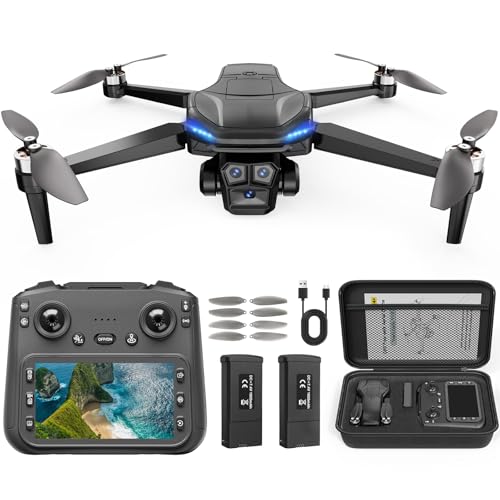
Real-Time 4K Transmission: This FPV drone is equipped with a 4K high-definition camera, providing real-time video transmission to your phone or the built-in 4.5-inch display on the controller. You can capture stunning aerial photos and videos and save them directly to your device as you fly. The camera lens tilts up to 90°, giving you multiple shooting angles for more creative footage.
Tips for Experimenting With Shadows in Your Aerial Photography
Want to make your aerial photography really pop with shadows? Let’s chat about some fun techniques to maximize their impact. One great way is to shoot during the golden hour. This is that magical time right after sunrise or just before sunset when the sun is low in the sky, casting long, dramatic shadows that can really add depth to your photos.
Also, keep an eye out for spots where shadows meet bright sunlight. For example, if you’re flying over a patch of forest with sunlight streaming through the trees, the contrasting light and dark areas can create some stunning compositions.
Adjusting your flying altitude can also change how shadows look. Flying a bit higher might stretch out the shadows, making them appear longer and adding to the drama of your shots. Plus, if you ever experiment with longer exposure times, you can really emphasize the interplay of light and shadows, especially in black and white photography.
And here’s a tip: using shadows from roads or rivers can create leading lines that guide the viewer’s eye through the image. Imagine capturing a winding river at sunset, where the shadows stretch across the water and direct attention to the horizon. It adds a sense of movement and flow to your story.
Incorporating these techniques can elevate your aerial photography, turning simple images into powerful narratives. Using drones with high-quality camera resolutions can further enhance the clarity and detail of the shadow effects you capture. Let’s explore more ways to enhance our storytelling with color next!
Recommended Products

【𝗜𝗡 𝗦𝗘𝗔𝗥𝗖𝗛 𝗢𝗙 𝗧𝗛𝗘 𝗜𝗗𝗘𝗔𝗟 𝗙𝗟𝗜𝗚𝗛𝗧, 𝗖𝗔𝗣𝗧𝗨𝗥𝗘 𝗬𝗢𝗨𝗥 𝗔𝗘𝗥𝗜𝗔𝗟 𝗠𝗢𝗠𝗘𝗡𝗧𝗦】Are you spending more for better aerial footage or settling for a budget drone with poor image quality? The Gleesfun G11PRO is the perfect choice. This affordable drone features a sleek design, FAA compliance, and carrying case. With a 3-axis brushless gimbal, 10000ft GQ2.0 digital transmission, and up to 70mins flight time, it delivers smooth, stable, professional-grade shots. Capture 6K photos and 4K/30fps video with stunning clarity, and enjoy effortless aerial photography with cruise modes.


Frequently Asked Questions
How Do You Use Shadows Creatively?
We use shadow play to enhance depth creation and mood setting, exploring patterns and light contrast. By balancing composition and emphasizing color interaction, we achieve texture enhancement, turning shadows into essential elements of our artistic vision.
What Is the Artistic Use of Shadows?
Shadows aren’t just dark spaces; they’re essential for artistic interpretation. We can enhance texture, create depth perception, and establish focal points, using shadow symbolism to add emotional depth and enrich narrative storytelling in composition.
What Is the 3 Lighting Rule?
The 3 lighting rule uses three light sources—key, fill, and rim—creating shadow depth. By adjusting light angles and subject positioning, we can enhance contrast ratios and dynamic lighting for impactful imagery with ambient light.
How Could the Pattern of Shadows Be Useful?
We can use shadow patterns to enhance visual depth, create contrast dynamics, and accentuate textures. By incorporating geometric shapes and focal points, we’ re not just capturing images; we’re telling compelling stories that evoke mood.