As an Amazon Associate, we earn from qualifying purchases. Some links on this site are affiliate links at no extra cost to you. Our recommendations are based on thorough research and editorial judgment.


Understanding Dynamic Range in Drone Camera Sensors

Understanding dynamic range in drone camera sensors is essential for capturing stunning aerial imagery. Dynamic range refers to the spectrum of light a camera can handle, from dark shadows to bright highlights. Drones equipped with advanced sensors manage exposure levels effectively, allowing us to capture details in challenging lighting conditions. Techniques like using ND filters or exposure bracketing help enhance this capability. By mastering these concepts, we can elevate our aerial photography, and there’s more to uncover about maximizing these techniques.
Key Takeaways
- Dynamic range indicates a camera’s capability to capture light variations, impacting overall image quality in drone photography.
- Larger camera sensors typically offer greater dynamic range, handling shadows and highlights more effectively.
- Techniques like exposure bracketing help in capturing scenes with significant lighting differences by enabling detailed blending in post-processing.
- Graduated ND filters assist in balancing exposure by darkening bright areas while maintaining detail in shadows during aerial shots.
- Advanced stabilization technology is essential for smooth footage, ensuring better preservation of dynamic range in varying lighting conditions.
What Is Dynamic Range in Drone Cameras?
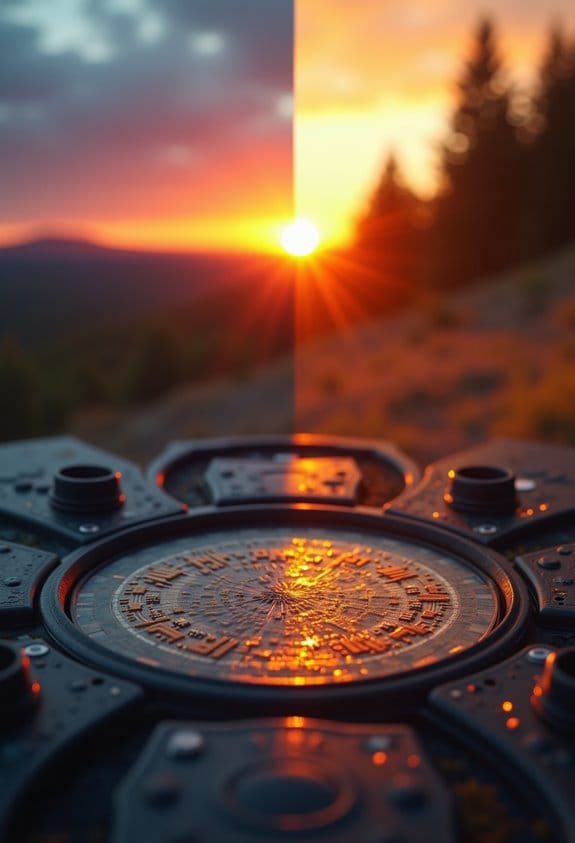
So, dynamic range in drone cameras is super important, especially when you’re trying to capture beautiful images in tricky lighting. Essentially, dynamic range is all about how much light a camera can handle, from the darkest shadows to the brightest highlights. If you have a larger camera sensor, it usually means a greater dynamic range, which helps improve your images by picking up more light and reducing noise in those darker areas.
Imagine you’re flying your drone over a stunning landscape at sunset. The sky is lit up with vibrant colors, but the ground is pretty shadowy. If your drone camera has a high dynamic range, it’ll do a better job at balancing those bright skies and dark shadows, so you don’t lose details in either. To make the most of this, techniques like bracketing exposures can be really handy, allowing you to shoot several images at different exposures and blend them together later.
Another tip? Consider using ND filters. They help manage the exposure by reducing the amount of light that enters the lens, which is especially useful in bright conditions. This way, you can capture all the nuances of a scene without losing detail. Understanding how dynamic range works allows you to take full advantage of your drone’s capabilities and get some impressive aerial shots! Additionally, combining high dynamic range with features like 4K Ultra HD camera resolution can significantly enhance the detail and clarity of your footage.
The Importance of Dynamic Range in Aerial Photography

You know, when it comes to aerial photography, capturing a wide dynamic range of light is super important—especially in those stunning environments like sunrises and sunsets. The dynamic range of your camera really impacts how well you can pick up details in both the bright highlights and dark shadows in a shot.
Drones with better camera sensors really shine in these situations! They do a great job managing exposure levels, so you won’t lose those delicate details, whether you’re flying high over a sun-drenched landscape or capturing the deep shadows of a mountain range at dusk. For example, using ND (neutral density) filters can help you balance the dynamic range by controlling the brightness of your images. This way, you can enjoy clearer and more vibrant aerial photos that truly reflect the scene below.
Additionally, drones equipped with advanced stabilization technology play a vital role in capturing smooth and detailed footage that complements the dynamic range capabilities of their cameras.
Mastering Exposure Techniques for Dynamic Range
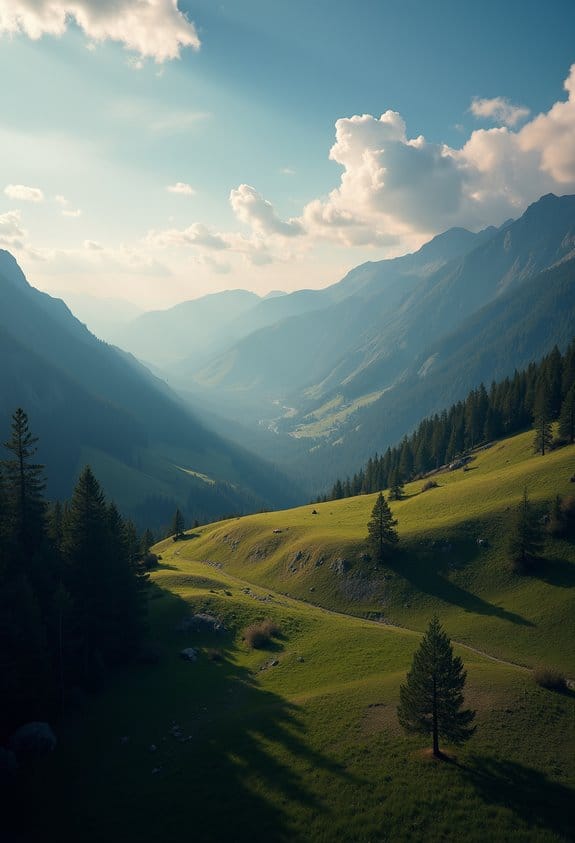
When you’re out there capturing those stunning aerial views with your drone, getting the hang of exposure techniques is really important. You want to make the most of your camera’s dynamic range, right? To keep those bright areas looking good, try to underexpose just a little bit. This way, you avoid losing detail in highlights that can’t be recovered—like those brilliant sunrises that can easily turn into a white blob if you’re not careful.
Using graduated neutral density (ND) filters can really help balance things out. These filters darken the sky while keeping the foreground bright, so you can capture details in both. Imagine you’re flying over a beach at sunset; with the right ND filter, the rich colors of the sky won’t wash out the sandy shore below. Also, don’t overlook your drone’s metering modes. Spot metering is great because it focuses on one area, ensuring that spot gets the perfect exposure even when the lighting is tricky.
Another cool trick is bracketing, where you snap multiple shots of the same scene at different exposures—one normal, one underexposed, and one overexposed. Later, you can blend those together in post-processing to really bring out the best details. And don’t forget to keep an eye on your histogram! It’s a handy tool that shows you whether your snaps have the dynamic range you want without losing detail in shadows or highlights.
Using a drone with high-resolution cameras further enhances your ability to capture intricate details across varied lighting conditions.
Understanding these exposure techniques not only makes your photos pop but also sets the stage for fantastic editing opportunities afterward! Next up, we’ll delve into some editing tips to polish those beautiful captures.
Tips for Planning to Maximize Dynamic Range
If you want to capture stunning dynamic range in your drone photography, it all starts before you even take a shot. First off, check out weather apps or tools like PhotoPills or Sunseeker to see how the sunlight dances across the landscape during different times of the day. For instance, shooting during those magical hours of sunrise or sunset can really soften the light and enhance the contrast in your photos, which is perfect for maximizing that dynamic range.
Another handy tip is to use graduated neutral density (ND) filters. These filters help balance exposure between the bright skies and darker ground, preventing those harsh extremes from ruining your shot. Plus, keeping an eye on your histogram is super important; it helps ensure you’re capturing the full range of tones without losing details in the highlights or shadows.
Oh, and don’t forget about auto-bracketing! By capturing multiple exposures, you expand your dynamic range even further, especially useful in high-contrast scenes. For example, if you’re shooting a sunset over a dark forest, taking several shots at different exposures can help you pull together the best details in editing later.
Additionally, choosing a drone equipped with a high-resolution camera and advanced stabilization features can significantly improve your ability to capture detailed and stable shots that showcase the full dynamic range.
HDR Techniques for Drone Photography
You know, High Dynamic Range (HDR) techniques can really take your drone photography to the next level. Imagine capturing a beautiful sunset where the sky is glowing, but the land is in shadow. By snapping multiple shots at different exposures—one normal, one darker, and one brighter—you can pull details out of those shadows and highlights that a single picture just can’t manage.
So, when you’re out flying your drone, think about taking at least three exposures. Make sure you’re using image stabilization; that’s key to keeping everything aligned perfectly for the merging process later. If you’re in a situation where the sky is really bright and the ground is dark, you might even want to use graduated ND filters. Those help balance things out so your images look more harmonious.
After you’ve captured your shots, turning to specialized HDR software like Photomatix or Lightroom can work wonders. With just a few clicks, you can blend all those images and create visuals that are way more dynamic and captivating than any single shot could offer. It’s a fantastic way to showcase the stunning scenes you’ll encounter! For the best results, pairing HDR techniques with a drone that has advanced stabilization technology ensures crisp, shake-free images ideal for merging multiple exposures.
The Role of Post-Processing in Enhancing Dynamic Range
You know, when it comes to capturing those breathtaking drone images, dynamic range really is key. But here’s the thing: it’s often in post-processing that we get to unleash its true magic. For example, using HDR imaging, you can blend multiple exposures to pull out details in both the shadows and highlights. It’s like having a whole new dimension in your photos!
Now, programs like Lightroom really come in handy for this. You can use the “Auto-Align” feature to make sure your images line up perfectly, and with luminosity masks, you can brighten specific areas without messing up the rest of your scene. Imagine wanting to enhance the clouds while keeping the foreground dark and moody; luminosity masks let you do just that. Plus, by adjusting the curves, you can play with the light balance, making those atmospheric effects pop even more.
These methods are essential for transforming your drone shots into rich visuals that capture all the nuances of light. So, if you’re looking to take your aerial photography to the next level, getting comfortable with these post-processing techniques is a great way to start. Once you master them, you’ll be ready to tackle even the most challenging shooting conditions! Additionally, many high-end drones, like the DJI Mavic 2 Zoom, come equipped with advanced cameras that facilitate capturing images with a wider dynamic range, enhancing post-processing potential.
Common Dynamic Range Challenges in Drone Photography and Solutions
You know, one of the main challenges in drone photography is dealing with dynamic range, especially when you’re capturing scenes with a lot of contrast. Imagine flying your drone over a breathtaking landscape where the sun is shining brightly but the ground is still in shadow. That can lead to bright spots in the sky being overexposed while the details in the shadows just fade away. It’s a bit of a juggling act, but I have some strategies that can really help!
First, consider using graduated neutral density (ND) filters. They’re like sunglasses for your camera, helping to balance out the brightness between the sky and the foreground. For example, if you’re photographing a sunset over a forest, the ND filter can help keep that beautiful sky vibrant while preserving the intricate details of the trees below.
If your drone’s camera doesn’t have an auto-bracketing feature, don’t worry! You can manually take several shots at different exposures, covering everything from the brightest highlights to the darkest shadows. It’s a handy trick that gives you more control over your final image.
Make sure to keep an eye on your camera’s histogram while shooting. This little graph shows you where the light is falling in your image, indicating whether you’re losing details in the highlights or shadows. If you notice you’re clipping (which means losing detail), adjust your settings to bring back that detail.
Finally, once you’ve got your shots, consider doing some HDR blending in post-processing. This technique allows you to merge multiple exposures together, bringing out the hidden details in both the bright and dark areas of your photo. With these tips in your toolkit, you can tackle those dynamic range challenges like a pro. Now, let’s talk about how to make the most of your composition in those stunning landscapes!
Using high-quality ND filters for drones can significantly enhance balanced exposure and cinematic results by managing light intake effectively.
Advanced Strategies for Mastering Dynamic Range in Drone Photography
When it comes to mastering dynamic range in drone photography, it’s really about playing with light and shadow to get those stunning shots. One of the first things I recommend is using ND filters, especially when you’re flying in bright conditions. These filters help you control the light that hits your camera, which means you can open up your aperture or slow down your shutter speed, leading to crisp captures even in challenging lighting.
Have you heard of the “Expose to the Right” technique? It’s a great method for keeping your highlights intact. Basically, you adjust your exposure so that the histogram leans slightly to the right, which allows for better detail recovery in the shadows when you’re editing later. I’ve had great success with this approach when shooting sunsets; the colors pop while still retaining detail in the clouds.
Another fun method is exposure bracketing. It lets you take multiple shots at different exposures to create an HDR image later. Picture this: you’re capturing a vibrant landscape during golden hour, but the sky is super bright compared to the foreground. By taking a few shots with varying exposures, you can blend them together in post-processing for a beautiful, balanced image.
Also, if you’re serious about capturing those intricate details in tricky lighting, consider upgrading to a drone with a larger sensor. These sensors tend to have a better dynamic range, meaning they can handle high contrast scenes like the ones we love to shoot, from dark forests to bright open skies. So next time you’re out, give these tips a try. You’ll be amazed at how they elevate your photography game!
For extended shooting sessions that demand consistent quality, choosing a drone with longer flight times can really make a difference.
Frequently Asked Questions
What Is the Dynamic Range of a Camera Sensor?
Back in the day, we might’ve settled for grainy images, but today’s camera sensors boast impressive dynamic ranges. With better light sensitivity, contrast ratios, and image processing, we’re capturing stunning visuals, minimizing noise levels and maximizing color depth!
What Does 14 Stops of Dynamic Range Mean?
Having 14 stops of dynamic range means our sensor captures vast pixel depth, providing excellent exposure latitude and superior image quality in varied lighting conditions. This enhances HDR photography and video capabilities, aiding post-processing techniques markedly.
Is a Higher Dynamic Range Better?
A higher dynamic range’s definitely better! It enhances sensor performance, improves image quality, and boosts color rendition accuracy. Plus, we get post-processing advantages and better low light capabilities for impactful visual storytelling and scene contrast handling.
How to Calculate the Dynamic Range of a Sensor?
To calculate a sensor’s dynamic range, we assess its bit depth, contrast ratio, and luminance values through various measurement techniques and testing methods, while considering exposure settings to guarantee ideal image quality.

