As an Amazon Associate, we earn from qualifying purchases. Some links on this site are affiliate links at no extra cost to you. Our recommendations are based on thorough research and editorial judgment.

How Gimbal Stabilization Technology Works in Camera Drones

Gimbal stabilization technology in camera drones works by utilizing brushless motors and sensors to minimize unwanted movements during flight. These gimbals stabilize on three axes—pitch, roll, and yaw—ensuring smooth footage even in windy conditions. By counteracting jostling and vibrations, they enhance video quality, making aerial shots appear professional. Users benefit from understanding types, compatibility, and payload capacities for peak performance. If you’re curious about the features that make gimbals indispensable, there’s more to explore.
Key Takeaways
- Gimbal stabilization technology compensates for unwanted camera movements by operating on three axes: pitch, roll, and yaw.
- Brushless motors enable real-time adjustments for enhanced responsiveness and stabilization during flight maneuvers.
- Inertial Measurement Units (IMUs) provide rapid stabilization responses, allowing for smooth video capture in dynamic environments.
- Gimbals eliminate camera shake, ensuring high-quality footage, especially in windy conditions or fast-paced scenarios.
- Compatibility between gimbals and drone models is crucial for optimal performance and quality in filming.
What Is Gimbal Stabilization Technology in Drones?
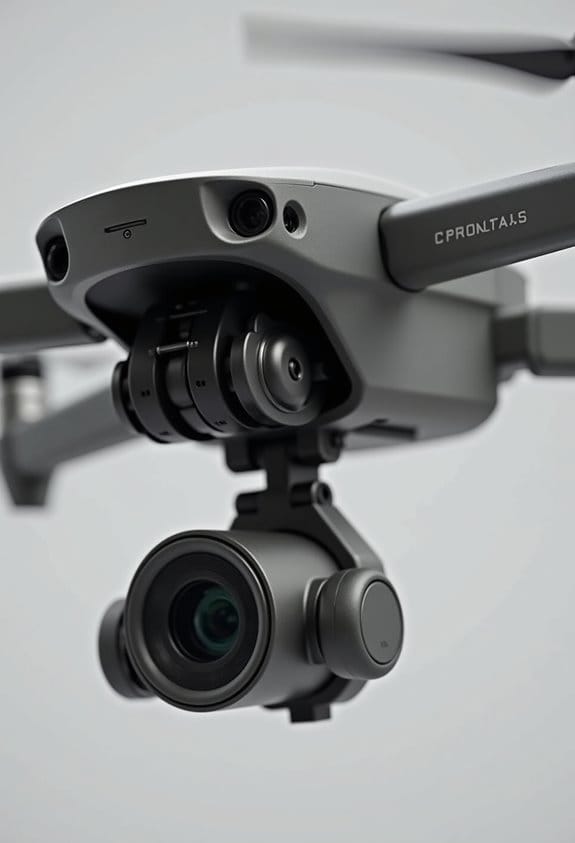
Hey there! Have you ever heard of gimbal stabilization technology in drones? It’s pretty cool and makes capturing aerial footage so much smoother and clearer. Basically, a gimbal is a device that keeps the camera steady while the drone is flying. It works by minimizing any unwanted movements—think of it like a balancing act that stabilizes the camera on three axes: pitch, roll, and yaw. This means no matter how the drone tilts or turns, the camera stays level.
What’s neat is that most modern drones come equipped with brushless motors in their gimbal systems. These motors make quick adjustments in real-time, so you can still get stunning shots, even when the wind picks up. Imagine trying to film a beautiful landscape while your drone is battling gusts of wind—thanks to gimbal stabilization, you won’t end up with shaky footage.
Some advanced gimbals even include an Inertial Measurement Unit (IMU), which detects movement and helps the system respond quickly. Plus, there are gimbals that can process images right on board to improve your footage further. This technology is super helpful for everything from surveillance and inspections to search-and-rescue missions. Many top drones, such as the DJI Mini 4K, utilize a 3-axis gimbal for optimal stabilization during flight maneuvers.
Understanding the Different Types of Drone Gimbals
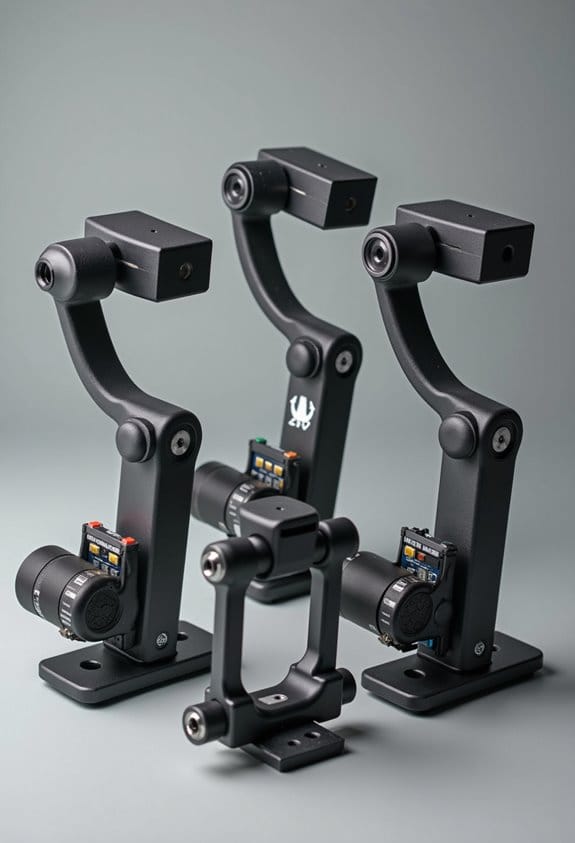
Hey! So, when you’re picking out a stabilization system for your drone, it’s super important to get a good grip on the different types of gimbals. Essentially, you’ve got two main configurations to consider: 2-axis gimbals and 3-axis gimbals.
Now, 2-axis gimbals are great for stabilizing the pitch and roll movements of the drone. They’re lightweight and usually more affordable, making them a popular choice for hobbyists just starting out. On the other hand, 3-axis gimbals take it up a notch by including yaw stabilization as well. This means they handle all those twists and turns better, which is especially useful if you’re filming action-packed scenes like a mountain biker navigating down a rugged trail.
When you’re choosing a gimbal, think about how it fits with your drone’s mounting system and check out the control features. Also, pay attention to the payload capacity to ensure it can handle your camera or any additional gear without missing a beat. For example, many folks rave about the DJI Zenmuse series because it’s user-friendly and perfect for capturing amazing aerial shots without much hassle. Many popular drones feature 2-axis gimbal stabilization, which provides smooth footage by reducing camera shake during flight.
Recommended Products

No Registration Needed - Under 249 g, this drone with camera for adults 4K does not require FAA registration or Remote ID for recreational use. Visit the FAA's official website for requirements related to drone registration and Remote ID. [1]

No Registration Needed - Under 249 g, this drone with camera for adults 4K does not require FAA registration or Remote ID for recreational use. Visit the FAA's official website for requirements related to drone registration and Remote ID. [1]

Lightweight and Portable: The drone with camera 4k for adults comes with weight of below 249g, compact and portable, without FAA or Remote ID registration, ideal for for outdoor enthusiasts
How Gimbals Enhance Aerial Imaging Quality
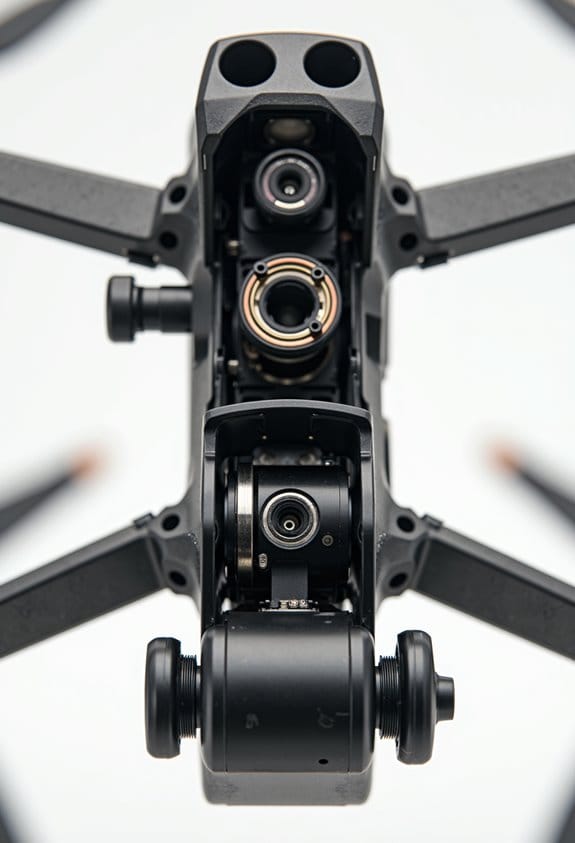
If you want to capture breathtaking aerial footage, using good gimbal stabilization technology is a must. Gimbals help smooth out camera movements, so you get that gorgeous, shake-free video, even when the drone hits a few bumps in the air. Think of them as a steadying hand for your camera. They use special motors and sensors to track and counteract any jostling, making your shots look super professional.
For those dynamic scenes where perspective changes quickly, high-quality gimbal systems really shine. They can stabilize pitch and roll, which means you can twist and turn your camera smoothly without losing that clear shot. Picture this: you’re filming a sunset over the mountains, and instead of shaky footage, you get a seamless sweep across the skyline. Plus, gimbals can come with nifty features like optical zoom or even thermal imaging, perfect for detailed inspections or capturing every nuance in tricky lighting.
Keeping the camera steady is key for pro-level footage, and regular checks and maintenance on your gimbal will ensure it keeps performing at its best. A well-tuned gimbal not only extends its life but also helps prevent annoying video distortions that can pop up. So, whether you’re shooting a film or snapping aerial photos, understanding gimbals can truly elevate your aerial imaging game. Many drones now include advanced obstacle avoidance systems that work alongside gimbal stabilization to enhance safety and reliability during flights.
Must-Have Features in Modern Drone Gimbals
Hey there! Let’s chat about drone gimbals because they’re pretty amazing when it comes to aerial videography. Imagine you’re out filming, and you’ve got this fantastic drone camera gimbal with 3-axis stabilization—it works wonders by balancing out all those little shakes and wobbles that can ruin your shot. It compensates for pitch, roll, and yaw, so your footage stays smooth even when the wind kicks up.
What’s really cool is that these gimbals use brushless motors combined with Inertial Measurement Units (IMUs), which essentially help the camera adapt to any movement instantly. For example, if you’re flying your drone around a busy park and you want to capture someone jogging, the gimbal will keep your camera steady even if the drone moves quickly.
Another great feature is their versatility. You can use them with lighter consumer cameras or heavier professional ones, depending on what you’ve got for your shoot. Plus, some gimbals come with extra features like thermal imaging sensors or optical zoom, which can open up a whole new world of creative possibilities. Imagine capturing not just stunning landscapes, but also being able to spot wildlife from a distance in low light. It really makes a difference! Additionally, many stabilized camera drones also integrate smart flight modes that help maintain stability during dynamic shots, ensuring consistently smooth footage.
Recommended Products
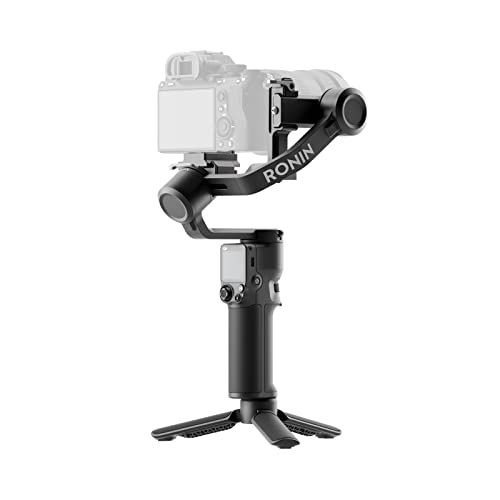
795g (1.75lbs) Lightweight and Portable - DJI RS 3 Mini is an ultra-compact gimbal stabilizer for camera convenient for travel. Weighing only 795g (1.75 lbs), RS Mini 3 is easy to hold for extended shooting.

No Registration Needed - Under 249 g, FAA Registration, and Remote ID are not required if you fly for recreational purposes.

【𝐑𝐨𝐜𝐤 𝐒𝐭𝐞𝐚𝐝𝐲 𝟒𝐊 𝟑-𝐀𝐱𝐢𝐬 𝐆𝐢𝐦𝐛𝐚𝐥】Equipped with 𝐒𝐎𝐍𝐘 𝐂𝐌𝐎𝐒 𝐒𝐞𝐧𝐬𝐨𝐫 and a 𝟏𝟐𝐌𝐏 camera capable of recording 𝟒𝐊/𝟑𝟎𝐟𝐩𝐬 video, the ATOM drone with camera for adults 4k delivers respectable aerial image and video quality. The 𝟑-𝐚𝐱𝐢𝐬 𝐛𝐫𝐮𝐬𝐡𝐥𝐞𝐬𝐬 𝐠𝐢𝐦𝐛𝐚𝐥 ensures smooth and steady footage even in 𝐥𝐞𝐯𝐞𝐥-𝟓 𝐰𝐢𝐧𝐝𝐲 𝐜𝐨𝐧𝐝𝐢𝐭𝐢𝐨𝐧𝐬
Applications of Gimbal Stabilization in Drone Operations
Gimbal stabilization technology has really transformed the drone game, making them much more efficient and effective in all sorts of fields. If you think about applications like surveillance or reconnaissance, steady imagery is critical, right? With gimbals, which use something called IMUs (that’s short for Inertial Measurement Units), drones can counteract any shaky movements, ensuring precise monitoring. This is especially useful for military or law enforcement operations, where every detail counts.
In the world of filmmaking, gimbal stabilization takes aerial shots to a whole new level. Imagine capturing stunning, smooth footage for a movie or a wedding video without those annoying shakes or wobbles. Another area where gimbals shine is industrial inspections. They help in capturing high-resolution pictures with minimal vibrations, which is super important for making sure everything is safe and sound in places like construction sites or power plants.
Then there’s mapping and surveying, where gimbal stabilization plays a vital role in gathering accurate geospatial data. Even if the drone is in motion, the stability allows for reliable data collection—crucial for those working in city planning or environmental monitoring. It’s amazing how this technology enhances so many areas. As we explore further, we can look at how gimbal systems are being integrated into next-gen drones for even more advanced applications. Many cinema drones now feature 3-axis gimbals to ensure smooth and stable footage during flight.
Recommended Products

【US Local Service Support Team】: ①If you damaged your drone, we always offer low-cost replacement parts in our store & Local warehouse ②We keep upgrading the APP and Tablet system for more Features, KEEP AWAY FROM TREES FOR DRONE SAFETY! AVOID CRASHING TREES. ③Bingchat offers one year quality free replacement support along with 3 years flight quality support. ④Based on our trusted after-sale support, our awesome drones have a high repurchase rate and referral rate from our customers

No Registration Needed - Under 249 g, this drone with camera for adults 4K does not require FAA registration or Remote ID for recreational use. Visit the FAA's official website for requirements related to drone registration and Remote ID. [1]

No Registration Needed - Under 249 g, this drone with camera for adults 4K does not require FAA registration or Remote ID for recreational use. Visit the FAA's official website for requirements related to drone registration and Remote ID. [1]
Essential Considerations for Selecting the Right Gimbal
Choosing the right gimbal for your camera drone can seem tricky at first, but let’s break it down together. The first thing you want to do is check if the gimbal is compatible with your drone model. This ensures you can mount it properly and have full control over it. For instance, if you have a DJI Mavic Air, make sure the gimbal you’re considering is specifically designed for that model.
Next up, let’s talk about payload capacity. This is basically how much weight the gimbal can hold without causing any issues with performance or making your footage shaky. If you’re planning to use a heavier camera, like the Sony Alpha series, you’ll want a gimbal that can handle that extra weight smoothly.
Now, there’s a choice between different types of gimbals. A 2-axis gimbal can be a great budget-friendly option if you’re just starting out, but keep in mind that it might not stabilize yaw, which can lead to some uneven shots. On the other hand, a 3-axis gimbal gives you excellent stabilization and is perfect for capturing professional-quality videos. If you want something easy to use, look for pre-calibrated models; they really can take the guesswork out of the setup.
Ultimately, think about what you’ll be using it for—are you shooting a family event, or are you aiming for some cinematic action shots? This will help guide you to the right gimbal with features that best suit your filming style. Also, consider models with Hall Effect technology for ultra-precise control and enhanced stability. So, what’s next on the list for our drone adventure? Let’s explore some tips on how to get the most out of your new gimbal!
Recommended Products

Experience Seamless Stability - Osmo Mobile 7's robust 3-axis gimbal stabilization ensures lossless stability, making it a vital part of any content creator's essentials. Capture creative bursts and craft stunning, cinema-quality masterpieces with ease.

[Applicability]: Compatible with DJI Phantom4 Pro Part71.
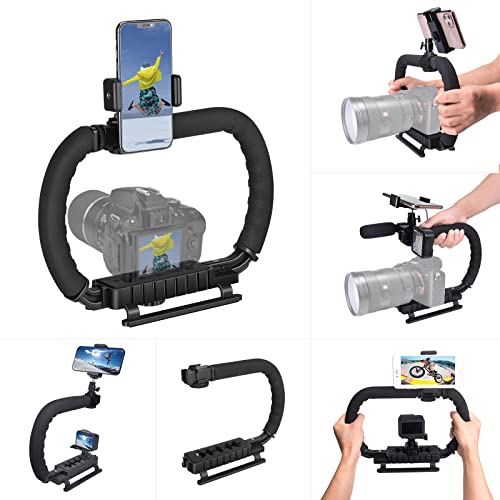
【High Quality Material】It is made of high quality ABS material. The weight is light but durable.
Maintenance Best Practices for Drone Gimbal Systems
Hey there! Let’s chat about keeping our drone gimbal systems in top shape. Good maintenance is key to capturing those smooth, breathtaking shots while we’re out exploring. Trust me, there’s nothing worse than setting up for that perfect aerial view only to find your footage shaky and uneven!
First off, make it a habit to give the gimbal a good clean. Just grab a soft brush or some compressed air and gently remove any dust or debris. This little step can make a huge difference in how well it performs. And before you even think about flying, use the built-in calibration tools. For instance, if you notice your footage has a slight tilt, recalibrating can fix that before you’re up in the air.
Next, take a few moments for routine check-ups. Look for any signs of wear and tear—like loose screws or damaged parts—because catching these early can save you a lot of trouble later. Speaking of screws, remember to check the motor performance too. If you find any are loose, give them a little tighten to maintain stability during your flight.
And don’t forget about storage! When you’re not using your drone, pack it up in a protective case. This simple step can really extend the lifespan of your gimbal and other components. It’s like tucking your drone in for a cozy night, ready for the next adventure!
Additionally, investing in drones equipped with a 3-axis gimbal can greatly enhance image stability and reduce shake for professional-quality shots.
Recommended Products

【Comprehensive Cleaning Solution】: Our cleaning kit is meticulously designed to address every cleaning pain point of your drone. From removing stubborn dirt and grime to ensuring crystal-clear camera lenses, this kit has everything you need for a thorough cleaning experience.

Designed for DJI Phantom 4 — this 7-piece filter kit is specifically made to fit the original Phantom 4 drone’s gimbal camera.

Compatible with 38mm lenses fits Phantom 3 advanced, professional and Phantom 4
How IMUs Keep Your Drone Steady?
You know what really keeps a drone steady while capturing those stunning aerial shots? It’s called the Inertial Measurement Unit, or IMU for short. This clever gadget combines accelerometers and gyroscopes, which are basically sensors that measure how the drone is moving and tilting in the air.
Imagine you’re trying to film a beautiful landscape, and the wind suddenly kicks up. The IMU constantly sends real-time updates to the camera’s control system, helping it adjust quickly to any bumps or shifts that might occur. It’s like having a super-smart co-pilot making sure your footage stays smooth, even when conditions get a bit wild.
A couple of great things about IMUs include their ability to track motion across multiple angles. For instance, they can detect changes in pitch, roll, and yaw, making sure the camera stays steady no matter how the drone tilts. Plus, high-quality IMUs have low drift rates, meaning they give accurate readings for longer flights, so you won’t lose stability halfway through your session.
In combination with 3-axis gimbals, IMUs deliver exceptional stability for high-quality aerial shots that are free from unwanted shakes and jitters.
Frequently Asked Questions
How Does Gimbal Stabilization Affect Battery Life in Drones?
Gimbal stabilization can slightly increase battery consumption due to its added weight and power requirements, but innovative energy management strategies, like battery optimization techniques, help extend flight time while maintaining excellent drone performance and thermal stability.
Can Gimbals Be Used With Any Camera?
Gimbals can be used with various cameras, but compatibility varies by gimbal types. Lightweight cameras, mirrorless options, and DSLRs integrate well, though we should consider accessory limitations and custom setups for ideal stabilization benefits and video quality.
What Is the Weight Limit for Gimbals on Drones?
Picture a bird gracefully soaring; our gimbals typically handle 1 to 5 kilograms, varying by type and drone compatibility. We must consider payload capacity, weight distribution, and design variations for ideal flight stability and industry applications.
How Do Gimbal Settings Affect Flight Performance?
Gimbal settings greatly affect flight performance. We’ve found that gimbal alignment influences stabilization settings, impacting flight dynamics. Responsive adjustments enhance maneuverability, while altitude control is essential for vibration reduction and better payload distribution during navigation.
Are There Any Regulations Regarding Gimbal Use in Drones?
Sure, we’d love to be gimbal-free! However, drone safety regulations do exist—commercial use, hobbyist guidelines, camera weight limits, and government oversight guarantee safe flight in No Fly Zones. Always check local laws and flight permissions!

