As an Amazon Associate, we earn from qualifying purchases. Some links on this site are affiliate links at no extra cost to you. Our recommendations are based on thorough research and editorial judgment.
Essential Flight Controls Every Drone Pilot Should Master

As drone pilots, mastering essential flight controls is vital for safe and effective flying. These controls include throttle for altitude management, roll for lateral movement, pitch for ascents and descents, and yaw for orientation. Here’s a quick breakdown: use the left stick for yaw and throttle, while the right stick manages roll and pitch. Regular practice with these controls not only enhances our flying ability but also improves aerial photography, so let’s explore these skills further.
Key Takeaways
- Master the four primary controls: roll, pitch, yaw, and throttle for efficient drone movement.
- Use the left stick for yaw and throttle; the right stick for roll and pitch adjustments.
- Gradually adjust throttle during takeoff and landing to ensure stability and soft touchdowns.
- Regular practice of basic maneuvers enhances confidence and builds muscle memory in flight control.
- Familiarize yourself with troubleshooting techniques to maintain safe and effective drone operation.
An Overview of Essential Flight Controls for New Drone Pilots

Hey there! If you’re just dipping your toes into drone piloting, let’s chat about the essential flight controls that you really need to get a handle on. Understanding the four primary controls—roll, pitch, yaw, and throttle—is key to mastering your drone’s movements.
First off, roll is what allows your drone to tilt left or right, which is super important for banking turns. For example, if you want to make a quick left turn to avoid an obstacle, you’ll need to use roll effectively. Then there’s pitch, which controls how the drone moves forward or backward. So, if you want to edge closer to that cool view, adjusting the pitch will help you get there.
Now let’s talk about yaw. This control rotates the drone, helping you change direction while flying without altering your altitude. Think of it like pivoting in a dance—your body stays at the same height, but you can face a different way. Lastly, throttle controls your drone’s altitude, letting you rise up into the sky or gently float down. For example, if you’re flying too high for a better angle, easing back on the throttle can help bring you down smoothly.
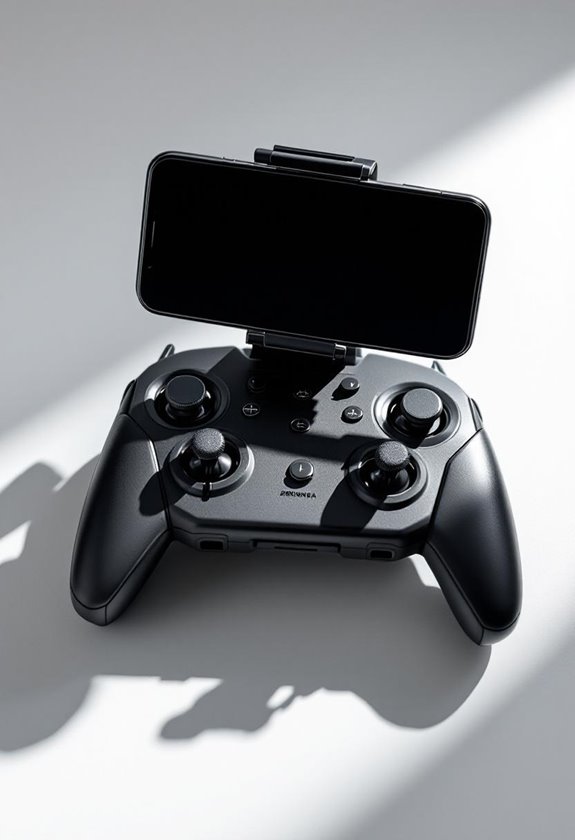
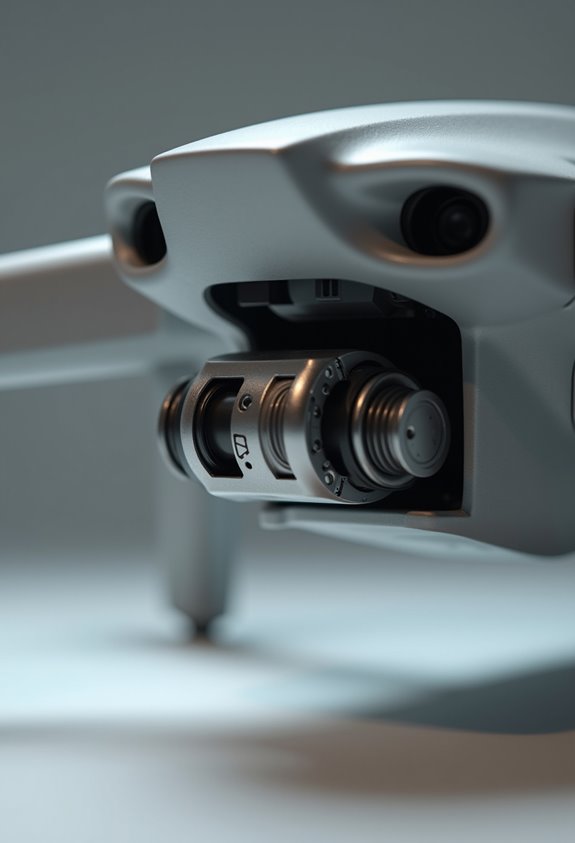
Typically, you’ll find that the left stick on your controller manages yaw and throttle, while the right stick handles roll and pitch. By practicing these controls, you’ll gain the confidence to fly your drone precisely where you want it to go. Once you’ve nailed these basics, you’ll be well on your way to trying out some cooler aerial maneuvers! Using a drone equipped with a 3-axis gimbal can help maintain smooth footage even as you master these controls.
Applying Throttle for Smooth Takeoffs and Landings

You know, mastering throttle control is really the key to achieving those smooth takeoffs and landings with your drone. When you’re getting ready to take off, just slowly push the left stick upward. It’s like gently nudging a friend to wake them up. Aim to increase the throttle until your drone reaches a stable height of about 3-4 feet. During the ascent, try to keep that throttle steady; if you jerk it around, the drone might wobble and could end up taking off in an unpredictable way.
When it’s time to land, it’s all about being gentle again. Reduce the throttle gradually as you get closer to the ground—almost like easing yourself into a chair. Right before you touch down, cut the power completely just a few inches above the surface. This helps create that soft landing we all want. For example, if you’ve practiced this a few times at a safe height, you’ll notice how it helps avoid any sudden drops that could potentially damage your drone.
Practicing your throttle control makes a huge difference in how precisely you can hover and steer your drone during these critical moments. It’s all about building that finesse. So, let’s chat next about how to master hovering techniques—another fun part of flying!
Also, using memory cards with high write speed capabilities ensures your drone’s recorded footage is saved smoothly without interruptions.
Understanding Roll Control for Precise Navigation
Hey there! Let’s talk about roll control, which is super important for navigating drones with ease. Basically, when you manage the roll using the right stick on your remote, you can tilt the drone to the left or right. This little action leads to smoother horizontal movements. So, when you push the right stick to the left, the drone tilts that way, and the same goes for the right side. The cool thing is, getting a good handle on roll control makes it easier to fly around obstacles and perform some impressive aerial tricks.
Imagine you’re flying through a park and want to do some quick turns. If you give gentle, smooth inputs, it’ll feel more fluid, like gliding through the air. Plus, when you practice this control, you’ll be able to handle those pesky gusts of wind that can throw you off balance. Having a stable flight in changing conditions? That’s a big win! Utilizing drones with advanced stabilization technology can greatly enhance your control efficiency and flight smoothness.
Mastery of Pitch Control for Effective Ascents and Descents
Hey there! If you’re getting into flying drones, you’ll find that pitch control is super important for managing how high or low your drone goes. It basically helps you make smooth ascents and descents. Think of pitch control like the steering of a car; you need to adjust the angle of your drone to go up or down just right.
To ascend, you simply push the right stick forward gently. This lifts the nose of the drone, and you want to balance that with the throttle to keep climbing steadily without jerks. For descending, it’s the opposite—you pull the stick back while keeping an eye on the throttle to avoid plummeting, which could throw your flight off balance. A good tip is to practice moving from a hover to full flight; this will help you get a feel for how the drone reacts.
It’s also crucial to practice in different conditions, like when it’s a bit windy, so you get used to making adjustments on the fly. Models equipped with features such as altitude hold can greatly simplify this process by maintaining stable hovering during your practice sessions. By mastering pitch control, you’ll not only keep your drone stable, but you’ll also enjoy flying it much more. So, once you’ve got the hang of this, you’ll be ready to explore other aspects of flying!
Why Yaw Control Matters When Flying Your Drone?
When you’re flying your drone, you might be laser-focused on pitch control to get those smooth climbs and descents, but don’t overlook yaw control! Yaw control is all about how your drone spins around its vertical axis, which helps you move left and right using the left stick on your remote. It plays a huge role in keeping your drone oriented and allows you to maneuver gracefully around obstacles.
For example, when you’re capturing a stunning sunrise over a lake, effective yaw control lets you glide smoothly in a circular motion to get that perfect shot. If you can master those yaw movements, you’ll be able to pull off cool 360-degree spins and dynamic aerial views that really take your photography or videography to the next level.
On the flip side, if you mess up your yaw control, it can throw your drone off-balance—leading to drift or even crashes. By practicing yaw techniques during your flight training, you’ll not only enhance your coordination but also boost your overall skill as a drone pilot. Utilizing drones equipped with 3-axis gimbals can further improve your footage stability by compensating for unwanted rotations during yaw movements. So, let’s delve into some practical drills that can help you sharpen your yaw control even further!
Combining Controls for Advanced Flying
Hey there! If you’re looking to level up your drone flying, mastering the art of combining controls is key. Think of it like learning to ride a bike—you have to coordinate your movements to stay balanced and move smoothly. When you use the left stick for yaw and throttle, while the right stick controls roll and pitch, you can pull off some pretty impressive maneuvers.
For example, if you want to make a nice, smooth turn, engage the yaw with the left stick while simultaneously adjusting the pitch with the right stick. It might feel a bit tricky at first, but with practice, you’ll find your coordination gets better. Once you get the hang of it, you can try flying in circles or carving out figure-8s in the sky!
Don’t forget, effective altitude changes also rely on moving those sticks in sync. This helps you keep the drone stable, especially in crowded airspace. As you practice these patterns, you’ll be building muscle memory, boosting your confidence, and refining your skills for all sorts of flying adventures ahead. Ready to explore some exciting new flight patterns? Enhancing your skills with intelligent flight modes can further simplify complex maneuvers and improve your aerial footage.
Troubleshooting Common Control Challenges
Hey, you know how many new drone pilots run into some common control challenges? It’s all part of the learning curve! Understanding these little bumps can make your flying experience so much smoother. For example, the left stick on your controller is all about throttle and yaw, which can definitely trip up beginners. If your drone starts spinning like crazy, try adjusting the yaw by moving that left stick while keeping the throttle steady to maintain your height.
Also, have you checked the communication between your drone and controller? If there’s any interference, it can cause those frustrating delays in movement. Always keep an eye on the battery life indicator, too. A low battery can make your drone less responsive, and nobody wants an unexpected landing because the battery died!
And in case of a crash, it’s super important to quickly bring your throttle down to zero. This simple move can actually save you from a lot of damage and keeps safety at the forefront. Using durable, weather-resistant gear can also ensure your equipment stays protected even in tough conditions.
So now that we’ve covered these control challenges, let’s chat about how to improve your flying skills even further!
Building Your Skills: Practice Exercises and Next Steps
Hey there! So, if you’re looking to improve your drone flying skills, dedicated practice is really the way to go. Becoming a proficient pilot doesn’t happen overnight, but with the right exercises, you can build your confidence and control. Let’s start off simple—how about working on taking off and landing in the exact same spot? It’s a great way to get comfortable with the throttle.
Once you feel good with that, try hovering your drone at about 1 to 1.5 feet off the ground. Make small adjustments with the right stick to keep it stable. It might feel tricky at first, but don’t worry; it just takes some practice! After you nail the hover, embrace some directional maneuvers. Push the right stick forward to move ahead, and pull it back to reverse—all while keeping the drone at the same altitude; it’s all about mastering your spatial awareness.
When you’re ready for a challenge, try flying in patterns like a square or a circle. This will really sharpen your flying skills and help you understand how your drone moves in space. And don’t forget to track your progress! Focus on milestones like figure 8 flights or continuous yaw movements to see how far you’ve come.
Let’s make this flying practice a regular vibe! Getting consistent with these exercises is key to becoming the skilled pilot you want to be. Plus, it’s a lot of fun watching your improvements over time. Ready to take the next steps? Incorporating one-key functions into your routine can simplify control and help you focus on refining your flying techniques.
Frequently Asked Questions
What Is the 1 to 1 Rule Drone?
The 1 to 1 rule in drone flying means our stick movements directly control the drone’s actions. Mastering this enhances maneuverability techniques, guarantees essential flight safety, and aids in mastering various flight modes seamlessly.
What Is the Best Flight Controller for Drones?
We believe the best flight controller for drones balances advanced flight controllers with drone stability features while also considering budget flight options. This guarantees smooth maneuverability and safety for pilots of all experience levels.
How Much Do Walmart Drone Pilots Make?
Walmart drone pilots make between $40,000 and $75,000 annually, depending on pilot experience and job responsibilities. As the demand grows, we can expect their salaries to increase, along with added benefits and opportunities.
What Are the Four Controls of a Drone?
In our journey through the skies, we must master four controls: roll for lateral balance, pitch for forward motion, yaw for direction change, and throttle for altitude—key to drone stabilization techniques and seamless flight mode functions.