As an Amazon Associate, we earn from qualifying purchases. Some links on this site are affiliate links at no extra cost to you. Our recommendations are based on thorough research and editorial judgment.

How to Choose Your First Camera Drone: Key Features Explained

When choosing your first camera drone, we should consider several key features that enhance our photography. Look for a minimum 12-megapixel camera for solid stills and 4K video resolution for high-quality footage. Flight times of 20 to 30 minutes are ideal, while extra batteries can extend our sessions. Also, prioritize safety features like GPS stabilization and obstacle avoidance. Plus, understanding drone laws will keep us compliant. Keep exploring to discover essential accessories that can elevate your experience!
Key Takeaways
- Look for a drone with at least a 12-megapixel camera for quality still photos and enhanced cropping options.
- Ensure the drone supports 4K video resolution at 30 fps for high-quality aerial footage.
- Prioritize a flight time of 20-30 minutes; more advanced models can offer up to 40 minutes.
- Check for features like GPS stabilization and obstacle avoidance for safer and smoother flying experiences.
- Set a budget based on performance; entry-level drones cost under $600, while advanced options range from $1,000 to $1,600.
Why Drones Are Essential for Modern Photography
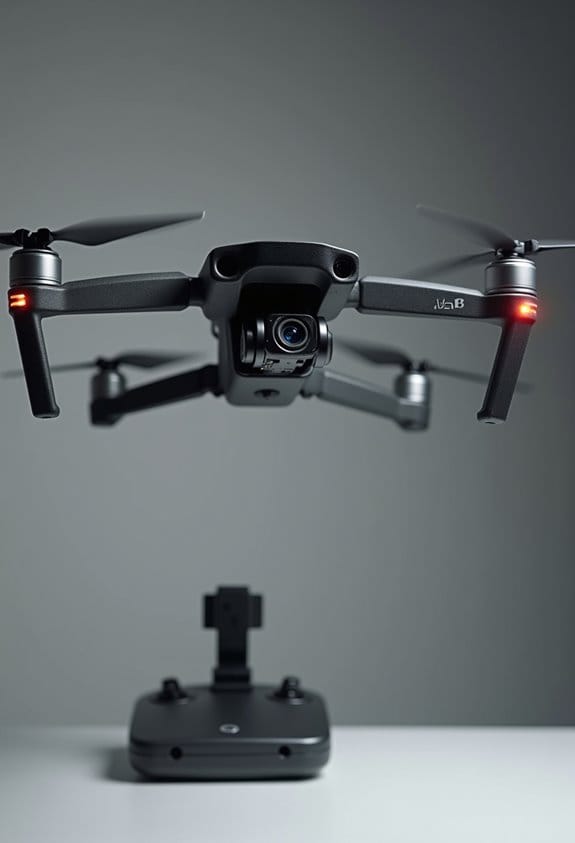
Hey! Have you ever thought about how drones have changed the way we do photography today? They’re pretty amazing for capturing stunning images and videos from angles we never could before. With camera drones, you can easily shoot breathtaking landscapes or unique perspectives without the hassle of heavy equipment or complicated setups.
For instance, many of these drones come with fantastic cameras that can shoot 4K video and take 12-megapixel photos. That means you can get professional-quality shots without being a pro yourself! Plus, a lot of these entry-level drones have built-in gimbals that help keep your shots steady. Say goodbye to blurry images from wind or vibrations; you’ll be able to capture crisp and clear photos.
What’s really cool is the GPS stabilization and subject tracking features. These allow you to focus more on being creative rather than worrying about control. Imagine flying your drone over a beautiful beach, capturing the waves lapping against the shore, while the drone smoothly follows a friend running along the sand. It’s that easy! Drones are truly making aerial photography accessible to everyone, opening up a whole new world of creativity. Many models even come with intelligent flight modes designed to enhance creative possibilities for users of all skill levels.
What Your Budget Should Be for a Camera Drone?

So, you’re thinking about buying a camera drone, huh? That’s exciting! When it comes to figuring out how much you should budget, it really depends on what you’re looking for. If you’re just starting out, you can find some solid entry-level drones for under $600. These drones might not have all the bells and whistles, but they still deliver pretty decent performance and image quality. For instance, models like the DJI Mini SE can give you good footage without breaking the bank.
Now, if you’re aiming for something a bit fancier with enhanced features, you might want to set your sights on the $600 to $1,000 range. Drones in this budget often come with better camera capabilities and additional functionalities, like obstacle avoidance or longer flight times. A great example here is the DJI Mavic Air 2, which offers stunning 4K video and impressive battery life.
For those who are more serious about their aerial photography, think about budgets from $1,000 to $1,600. These drones offer extensive features and high-end specifications. The DJI Phantom 4 Pro, for instance, boasts a 1-inch 20MP sensor and advanced obstacle sensing, which is fantastic for capturing high-quality images.
If you want to go all out, top-tier drones priced above $1,600 offer advanced imaging technologies and impressive flight capabilities, perfect for seasoned professionals. At this level, you’re looking at drones that can shoot 6K video or have long-range control.
Ultimately, setting a clear budget isn’t just smart; it’s essential. It helps you narrow down your options and focus on what’s really important for your drone adventures. Now, let’s talk about how to choose the right features based on your needs! Also, consider drones with flight times exceeding 30 minutes to capture longer shots without interruption.
Essential Features to Enhance Your Drone Photography
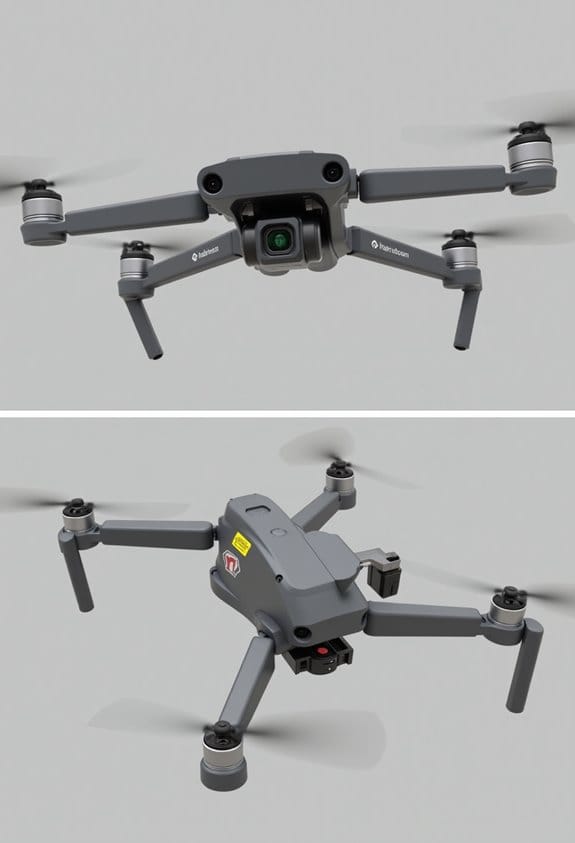
If you’re stepping into the exciting world of drone photography, choosing the right features can really boost your aerial experience. To capture breathtaking aerial shots, you’ll want a drone that packs at least a 12-megapixel camera for still photos and can shoot 4K video at 30 frames per second. This combination will help you snap sharp, vibrant images and produce smooth, high-quality videos.
Considering flight time is just as important. Ideally, look for drones that offer around 20 to 30 minutes of flight time. This way, you can explore the skies and capture various angles without the hassle of constantly needing to recharge or swap batteries. Plus, features like GPS stabilization and obstacle avoidance can make flying so much easier. These smart tools help keep your drone steady and safe, especially if you’re just starting out.
Don’t overlook gimbal stabilization, either. A three-axis gimbal will keep your footage steady even when there’s a bit of wind or movement—think of it like a mini shock absorber for your camera. All these features come together to not only enhance your photos but also to make your flying experience more enjoyable. With these tips, you’re set to choose a drone that can help you take your aerial photography to the next level! Now, let’s talk about some popular models that incorporate these awesome features.
Many beginners find that drones equipped with a 1-inch CMOS sensor greatly improve image quality and low-light performance, offering a professional edge even for entry-level pilots.
Recommended Products

1080P Adjustable Camera: Enjoy aerial views with this drone with camera, featuring a 1080P HD camera adjustable up to 90° for the perfect angle. Capture photos and videos using simple gesture control, or use it to check rooftops and other hard-to-reach areas. Perfect for capturing fun moments indoors and outdoors.

【Drones with 4K Camera & Obstacle Avoidance】Our V168 drones with camera for adults 4k are equipped with a 90° adjustable lens and 120° wide-angle lens, allowing you to capture from multiple angles with ease. An SD card and card reader are included for easy storage and sharing of photos and videos. In addition, our V168 drone is equipped with 4-way obstacle avoidance (Only work indoor), which can automatically detect and avoid obstacles during flight, effectively reducing the risk of collision

【Ultra-Long Control Range】With an astonishing control distance of 2,650 feet, it far surpasses other drones that only offer a control distance of 250 feet. This extended range enables your drone to soar freely and unrestrainedly in the sky.
Camera Quality: Megapixels & Resolution
When it comes to drone photography, camera quality is super important because it directly impacts how clear and detailed our photos turn out. If you’re on the hunt for a drone, aiming for at least 12 megapixels (MP) is a good start—this amount ensures your still shots look sharp. But if you want more options for cropping your images without losing quality, look for drones that offer between 20 and 48 MP. This way, you can easily frame your subject while still preserving details.
Now, don’t forget about video resolution! If you want to capture stunning footage, make sure the drone shoots at least 4K video at 30 frames per second (fps). This setting is crucial for producing smooth and high-quality videos. You’ll also want the sensor in your drone to be a decent size, as larger sensors perform better in low-light conditions—this helps reduce graininess in your shots. For instance, if you’re filming at dusk, a bigger sensor will give you clearer images than a smaller one.
Understanding how megapixels and sensor sizes work together can make a big difference in your aerial photography. So, as you consider a new drone, keep these tips in mind to help you achieve those jaw-dropping shots you dream of. Additionally, drones equipped with 3-axis gimbals provide superior stabilization to ensure your footage stays smooth and professional-looking. Transitioning from hardware to skills, let’s talk about how you can enhance your photography techniques in the air!
Recommended Products

【𝗜𝗡 𝗦𝗘𝗔𝗥𝗖𝗛 𝗢𝗙 𝗧𝗛𝗘 𝗜𝗗𝗘𝗔𝗟 𝗙𝗟𝗜𝗚𝗛𝗧, 𝗖𝗔𝗣𝗧𝗨𝗥𝗘 𝗬𝗢𝗨𝗥 𝗔𝗘𝗥𝗜𝗔𝗟 𝗠𝗢𝗠𝗘𝗡𝗧𝗦】Are you spending more for better aerial footage or settling for a budget drone with poor image quality? The Gleesfun G11PRO is the perfect choice. This affordable drone features a sleek design, FAA compliance, and carrying case. With a 3-axis brushless gimbal, 10000ft GQ2.0 digital transmission, and up to 70mins flight time, it delivers smooth, stable, professional-grade shots. Capture 6K photos and 4K/30fps video with stunning clarity, and enjoy effortless aerial photography with cruise modes.

No Registration Needed - Under 249 g, this drone with camera for adults 4K does not require FAA registration or Remote ID for recreational use. Visit the FAA's official website for requirements related to drone registration and Remote ID. [1]
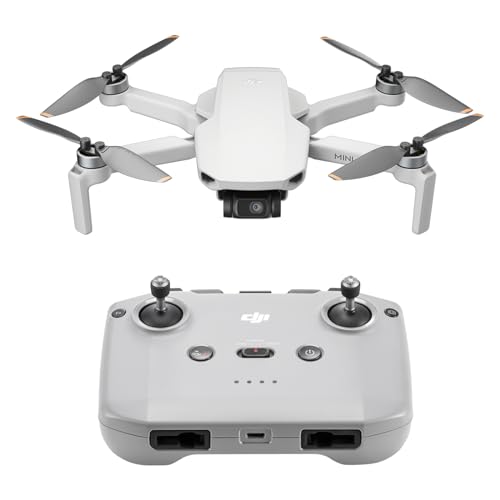
No Registration Needed - Under 249 g, this drone with camera for adults 4K does not require FAA registration or Remote ID for recreational use. Visit the FAA's official website for requirements related to drone registration and Remote ID. [1]
Flight Time and Battery Life: What You Need to Know
When you’re on the hunt for a camera drone, one of the first things you should think about is its flight time and battery life. These two factors can really make or break your flying experience and your ability to capture stunning photos. For instance, if you’re just starting out, most beginner drones fly for about 10 to 30 minutes on a single charge. But if you invest a bit more and go for a pricier model, you might find options that give you up to 40 minutes of airtime!
Now, bear in mind that battery life can fluctuate. Things like how much weight the drone’s carrying, weather conditions, and whether you’re using features like GPS or the camera will all play a role. To keep your sessions going as long as possible, I recommend having at least three extra batteries on hand, especially since charging can take a couple of hours. Oh, and if you choose a lighter drone, weighing under 250 grams, you’ll often get longer flights and won’t have to worry about some of the legal regulations. Models like the HK11 offer impressive flight times of up to 48 minutes on a single battery charge.
Recommended Products
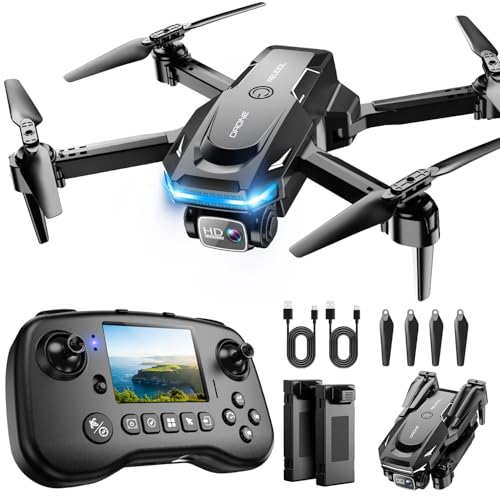
The PK01 drone's remote comes with a super handy built-in screen—no phone needed—so you can watch live HD footage and check flight stats right in your hands. (An SD card is required to save images and videos; not included) Powered by tough brushless motors, this little flyer is strong, smooth, and built to last. With one-key takeoff/landing, headless mode, and even 360° flips, you’ll look like a pro in no time. Ready for takeoff?🤩

FAA-Registration Exempt & Portable:Weighing under 0.55 lbs, the NAFYRE N11 PRO is a mid-sized GPS drone that requires no FAA registration in the United States. Its durable, lightweight design makes it the perfect grab-and-go companion for capturing adventures anywhere.

High safety performance; Battery overvoltage protection; Protection for Battery Voltage Being Low than Input and Short Battery.
How to Compare Beginner Camera Drones: Key Factors
Choosing the right beginner camera drone can seem a bit daunting with all the options out there, but if you focus on a few key factors, it can actually be pretty straightforward! First up, image quality is super important. For clear photos, aim for at least 12 megapixels, and if you want to shoot video, go for 4K at 30 frames per second. This will give you those sharp visuals you’re after!
Next, look for features that will make your flying experience easier. Drones with GPS stabilization, altitude hold, and return-to-home functions can make a big difference, especially if you’re new to flying. These features help keep your drone steady and ensure it comes back to you when you’re done—pretty handy, right? Also, check out the flight time; many beginner drones fly for about 20 to 30 minutes on a single charge, which is ideal for getting in some decent shooting time.
Don’t forget about control range, either! Some drones can be operated from 400 meters up to 6 kilometers away. That range allows you to explore a bit further without losing connection. Lastly, consider the build quality. Look for something durable but also portable, so it’s easy to carry around and less likely to get damaged during your adventures. Choosing a drone with impact-resistant materials can provide additional protection from accidental drops and collisions.
With these tips in mind, you’re set to find a beginner camera drone that suits your needs. Next, let’s talk about some popular models that fit these criteria!
What You Need to Know About Drone Laws?
Hey there! So, before we take our drones out for a spin, it’s super important to understand the various drone laws that can affect where and how we fly. Trust me, these laws can differ quite a bit depending on where you are, so staying in the know is key!
First off, many countries require you to register your drone if it weighs more than 250 grams. This is to avoid any pesky fines, or worse, having your drone taken away. For example, in the US, you can easily register online through the FAA’s website for a small fee.
Next, you’ll want to steer clear of no-fly zones. These are areas where flying a drone is off-limits, like near airports or military bases. It’s not just a suggestion; ignoring these rules can lead to some serious legal trouble. Always check where you’re flying beforehand!
Also, keep an eye on the altitude limits. Most places cap drone flights at 120 meters (about 400 feet). This is designed to keep the skies safe for everyone. If you’re planning to capture stunning aerial shots in places like national parks, remember that you might need a special permit, so be sure to do your research.
Staying informed about these drone laws not only makes your flying experience more enjoyable but also keeps you out of trouble. It’s a good idea to stay updated on any changes or local regulations as well. Moreover, drones weighing under 250 grams often do not require FAA registration, which can simplify compliance requirements.
Now, let’s chat about what to look for when choosing the right drone for your needs!
Must-Have Accessories for Your Drone
Hey there! If you’re getting into drone flying, let me tell you—it’s not just about the drone itself; the right accessories can make a huge difference. For starters, a sturdy carrying case is an absolute must. It keeps your drone safe and organized, whether you’re heading to the park or a remote shooting location.
Now, if you’re new to flying, you’ll definitely want to grab some propeller guards. They are lifesavers for beginners, helping to prevent those pesky crashes that can happen while you’re still learning the ropes. And speaking of which, always have a few replacement propellers handy. You don’t want to be sidelined during a great flying day just because of a broken propeller.
Let’s talk about photography for a second. ND filters are fantastic for managing light exposure, which can really elevate your aerial shots. With the right filter, you can capture smoother videos and stunning images, even in bright sunlight.
Lastly, think about extra batteries. Carrying at least three will let you fly for longer without having to find a charging station. Pair those with a multi-battery charger, and you can get those batteries juiced up quicker, so you can get right back to the skies.
Also, choosing a drone carrying case with custom foam inserts can significantly improve protection by securing your gear snugly during transport.
Frequently Asked Questions
How Do You Choose Your First Drone?
When we choose our first drone, we consider flight regulations, look for user experience insights, evaluate battery life, check payload capacity features, review brand reputation, and follow beginner tips essentials to guarantee a great start.
Which Drone Camera Is Best for Beginners?
For beginners, we recommend drones like the Hubsan x4. They offer great camera quality, affordability factors, ease of use, safety features, and portability options, ensuring a fantastic flight experience with decent flight time on a budget.
What Is the 1 to 1 Rule Drone?
Think of the 1 to 1 Rule as our safety net while flying drones. It guarantees we maintain visual contact, keep our drone regulated, and enhances battery life, flight modes, and camera stability for smoother operation.
How to Select a Drone Camera?
To select a drone camera, we should focus on drone specifications, camera quality, battery life, and ease of control. Price range and available flight modes also influence our decision for an enjoyable flying experience.


