As an Amazon Associate, we earn from qualifying purchases. Some links on this site are affiliate links at no extra cost to you. Our recommendations are based on thorough research and editorial judgment.

What Is FPV Vs GPS Mode in Camera Drones

FPV, or First Person View, allows us to experience real-time video from the drone’s perspective, making it perfect for racing and stunts. We manually control FPV drones, which demands a good skill set. GPS mode, on the other hand, uses satellite signals for easy navigation, automation, and safety features like return-to-home. While FPV offers thrill and speed, GPS focuses on precision and stability. Want to know more about their unique features and use cases?
Key Takeaways
- FPV mode provides an immersive first-person perspective, ideal for racing and capturing dynamic shots with real-time video feedback.
- GPS mode uses satellite signals for precise navigation, enabling automated flight paths and enhanced safety features like return-to-home.
- FPV drones are typically faster, reaching speeds up to 200 km/h, while GPS drones max out around 50 km/h for stable flying.
- FPV requires manual control and advanced piloting skills, whereas GPS drones offer user-friendly features for beginner pilots.
- Choose FPV for excitement and dynamic footage; choose GPS for precision tasks like agriculture, surveying, and stable aerial photography.
What Is FPV Mode in Camera Drones?
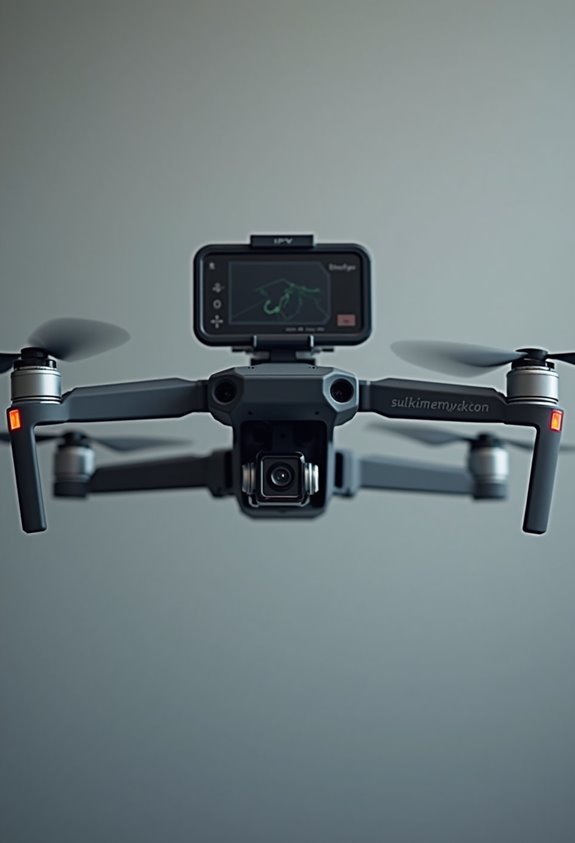
When you jump into FPV mode, or First Person View, with a camera drone, it’s like stepping into a whole new world of flying. Picture this: you’re not just seeing the landscape from above; you’re viewing it through the drone’s eyes in real-time. You can do this with special goggles or on a screen, which really makes it feel like you’re piloting the drone yourself.
FPV drones are all about speed and agility. They’re perfect for racing or pulling off cool stunt maneuvers. For instance, if you’re zipping through a slalom course made of trees or doing flips in the air, you’ll want a drone that responds quickly to your controls. The video feed from an FPV drone is super low-latency, which means there’s hardly any lag — you see exactly what the drone sees almost instantly.
One thing to keep in mind, though: flying in FPV requires some serious skills. Unlike traditional drones that can practically fly themselves, FPV flying is all about manual control. You’ll need to sharpen your spatial awareness and piloting techniques. So, if you’re ready for an adrenaline rush and willing to put in some practice, FPV flying can be an incredibly rewarding experience. Just know that it might take some time to master, but the thrill is well worth it. Many FPV drones also feature user-friendly controls such as one-touch takeoff and landing to help ease new pilots into the experience.
How GPS Mode Works in Camera Drones?
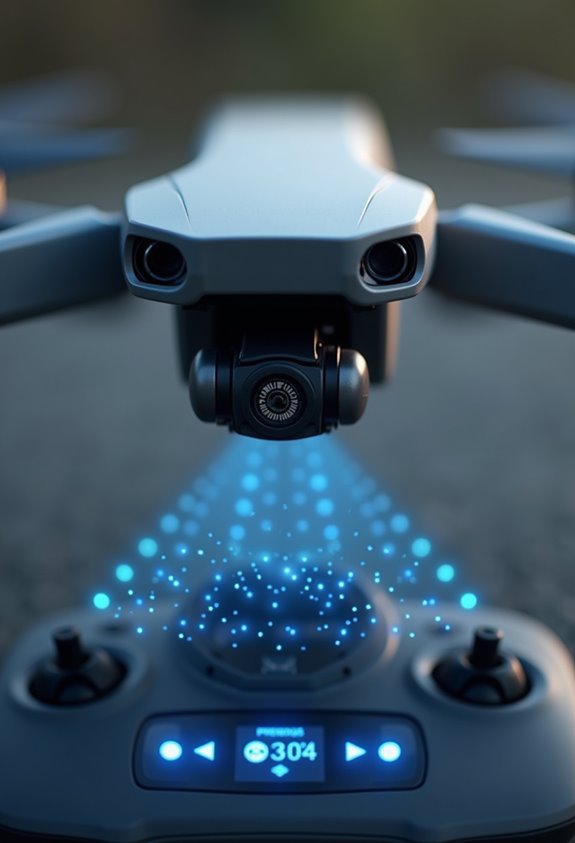
So, you know how GPS mode works in camera drones? It really changes the game for flying! Basically, it uses signals from satellites to pinpoint the drone’s location, which means the drone can hover steadily, even if the wind is blowing. This reliability is great for grabbing those stunning aerial shots without worrying too much about control.
One of the coolest features in GPS mode is waypoint navigation. You can actually set specific points on a map for the drone to fly to automatically. For instance, if you’re shooting a landscape, you could plot a route that allows the drone to circle around a beautiful spot, capturing every angle without you having to touch the controls. Plus, there are safety features that help prevent crashes; if the signal gets weak or the battery is running low, the drone will automatically fly back to where you launched it.
In the end, GPS mode lets you concentrate more on getting incredible footage while the drone handles the tricky bits. It’s like having a helpful co-pilot in the sky! Speaking of which, let’s talk about some additional tools and accessories you can use to up your drone photography game even further. Choosing drones with a strong frame material like 3K carbon fiber can significantly enhance stability and durability in flight.
Essential FPV Drone Features for Enthusiasts
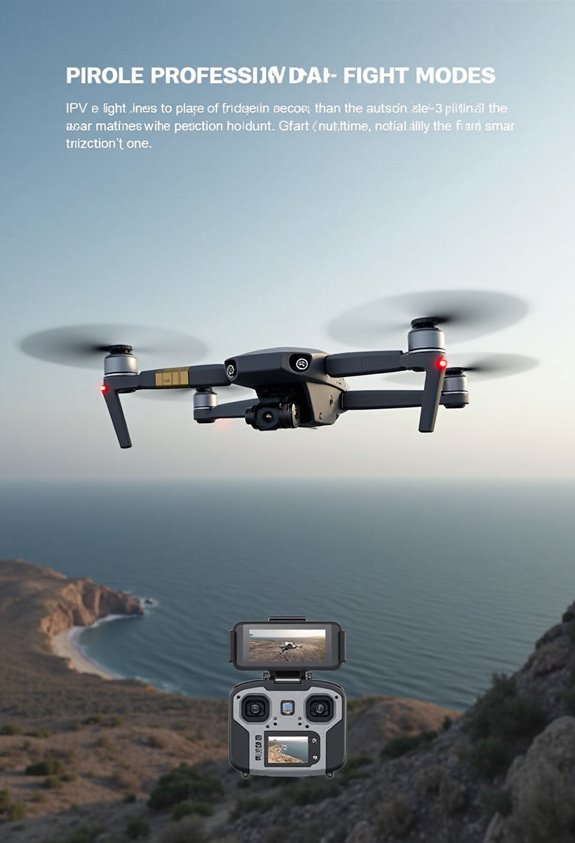
You know how fun it is to fly a drone, right? Well, FPV (First-Person View) drones take that excitement to another level! Instead of just watching from a distance, you actually get to see what the drone sees in real-time. It’s like you’re flying right alongside it, which is such an exhilarating experience.
When looking at FPV drones, there are a few key features that really stand out. For instance, video transmission can vary; you might prefer analog for super low latency during fast flights or opt for digital for crisp, clear images. It really depends on your flying style. Plus, many of these drones let you customize components like flight controllers and video transmitters. So if you like tweaking settings to suit your preferences, you’ll have a blast tailoring your setup.
Another handy feature is the On-Screen Display (OSD). This shows important data such as battery voltage and speed right on your video feed. It helps you keep track of everything while you’re flying, ensuring you stay aware of your drone’s status.
Additionally, drones equipped with a 3-axis gimbal provide enhanced stabilization, ensuring smooth and high-quality footage even during dynamic maneuvers.
In short, these flight capabilities make FPV drones an exciting choice for those who want a deeper connection to the sky. Plus, exploring the world through your drone’s lens can lead to some incredible adventures and stunning shots! So, are you ready to find out what gear and accessories will take your FPV experience further?
Recommended Products

20,000ft 1080p/60fps Transmission - DJI Video Receiver adopts O3 Pro image transmission technology, providing a 20,000ft (6 km) range, 50Mbps bitrate, and 16-bit 48kHz real-time audio monitoring.

Package Dimensions: 188.0 mm (L) x 150.0 mm (W) x 54.0 mm (H)

SDR Transmission, Stable & Anti-Interference - Effortlessly switch to the optimal channel to avoid interference with seamless auto frequency hopping across 2.4 GHz, 5.8 GHz, and DFS frequency bands.
Key GPS Drone Features Explained
Hey, have you ever thought about how GPS drones are changing the way we capture photos from the sky and conduct surveys? These clever little machines use satellite navigation to fly with incredible precision, making them perfect for tasks like navigating to specific points or setting up geofences around areas we want to monitor.
One cool feature that stands out is the return-to-home functionality. Picture this: if your drone’s battery runs low or it loses connection, it will automatically fly back to where you launched it. This way, you don’t have to stress about losing your drone mid-flight. Then there are the obstacle avoidance sensors. These smart tools help the drone detect and steer clear of obstacles, so it’s less likely to crash, which is super important when you’re flying it in complex areas.
And let’s talk about flight times! GPS drones have really improved in this area, allowing you to stay in the air longer, even when the weather isn’t perfect. For example, if you’re using one for agriculture, it lets you check on crops over larger fields without constantly landing to recharge. Additionally, using propeller protectors can enhance flight safety by preventing blade damage during collisions.
Recommended Products

Advanced Triple-Camera System - The Mavic 4 Pro’s Infinity Gimbal features a triple-camera system: a 100MP Hasselblad wide-angle lens with 6K60 HDR and HNCS color, a 48MP medium tele for portraits, and a 50MP tele for sharp long-range shots. All support up to 4K slow motion (4K120 on wide/medium, 4K100 on tele), dual native ISO fusion, 10-bit D-Log, RAW frame stacking, and intelligent modes like Panorama and Subject Focusing—delivering professional results in any setting.

Efficient workflow

This Bundle Includes: DJI Air 3S Drone, RC 2 Remote Controller, 3 x Intelligent Flight Battery, 128GB Extreme microSD Memory Card, High USB Speed Memory Card Reader, Shoulder Bag , Drone Photography Backpack, 3 x Extra Pair of Low-Noise Propeller, Gimbal Protector, USB-C PD Cable, ND Filter Set (ND8, ND32 & ND128), Battery Charging Hub, Drone Landing Pad, Camera Lens Cleaning Kit, 6-Slot Memory Card Wallet, CPS 2 Year Warranty, Bundle It Better Lens Cloth
Differences in Flight Experience: FPV vs. GPS Drones
When you think about the flight experiences of FPV drones versus GPS drones, you immediately notice the differences that can really change how you operate them. FPV systems are quite cool because they give you this immersive first-person view. It’s like you’re flying the drone yourself, which makes navigation super exciting. On the other hand, GPS drones take advantage of satellite positioning to follow automated flight paths, making them easier to fly, especially for beginners.
Flying an FPV drone requires some serious skill. You manually control everything—pitch, throttle, and yaw—which means there’s definitely a bit of a learning curve. For example, when you want to do a quick turn or a flip, you need to be precise with your controls. But with a GPS drone, it’s all about simplicity. They often come with smart features that help you out, like automatic return-to-home, which is great if you ever lose sight of it.
Now, let’s talk performance. FPV drones are fast and agile, with some models soaring up to 200 km/h. That speed can be thrilling, especially during racing events! In contrast, GPS drones favor a more stable and safe flight experience, cruising around at about 50 km/h with helpful features like waypoints and geofencing. So, depending on whether you want excitement or ease, your choice of drone can really shape your flying adventures. It’s fascinating how these two types can offer such different experiences in the sky! Additionally, considering factors like flight time capacity can help ensure your drone sessions are as long and enjoyable as possible.
How Manual Control Enhances Flying With FPV Drones
Hey there! So, you know how flying FPV drones can be a real blast? Well, mastering manual control is what makes that experience truly immersive. When you strap on those FPV goggles and take to the skies, it feels like you’re actually flying through the air thanks to the drone’s camera. But here’s the thing: it’s not just about seeing the view—it’s all about how you manipulate the drone. You’ve got to manage the throttle, pitch, and yaw with precision, which really sharpens your reflexes.
Let me give you an example. Imagine you’re whipping around a tight corner at high speed. With manual control, you’re responsive, adjusting your inputs based on what you see in real time. That’s way different from flying a GPS drone, which sort of does all the thinking for you. You really need to get a feel for your machine, like performing flips or racing through obstacle courses, to master the nuances of flying.
Ultimately, the thrill comes from the challenge and the skill you develop along the way. It’s like building your very own flying style that enhances not just your skills but your overall excitement for this hobby. Ready to take on more tips or maybe explore some tricks? Just like a waist belt bag offers hands-free convenience and customizable fit during activities, mastering manual control in FPV flying offers an unparalleled immersive experience.
Benefits of GPS Automation for Beginner Pilots
Hey there! I totally get it—starting out with drones can feel a bit overwhelming. But GPS automation makes things so much easier, especially for beginner pilots like us. It’s like having an extra set of hands. For instance, the GPS helps keep the drone steady, which means smoother flights and a lower chance of crashing.
One of the coolest features is waypoint navigation. This lets you plan out your flight path ahead of time, so you can relax and focus on getting those amazing aerial shots instead of worrying about where your drone is flying. And if you ever get lost, don’t sweat it! The return-to-home feature will bring your drone back to where you started, which is super handy.
Another great aspect is geofencing. This helps you avoid restricted areas, keeping you on the right side of the law. Plus, the controls are usually pretty user-friendly, making flying accessible for everyone. It’s really about having fun and enjoying the experience out there in the skies. Many drones also feature obstacle avoidance to protect your drone during flights, adding an extra layer of safety. So, what do you think—ready to take your first flight?
FPV Drones: Use Cases Where They Excel
FPV drones really shine in a bunch of exciting ways, way beyond just being another camera drone. If you’ve ever seen those exhilarating drone racing leagues, you know what I mean! These drones are super agile, allowing pilots to zip through tight courses at incredible speeds—it’s a rush to watch and even more fun to participate in.
Content creators have fallen in love with FPV drones too. They can capture dynamic shots and unique angles that traditional drones just can’t get. For example, imagine following a mountain biker down a steep trail—an FPV drone can follow closely, making the viewer feel like they are right there in the action.
FPV drones are also fantastic for recreational flying. When you take control manually, it feels like you’re really flying, boosting your skills and spatial awareness. Plus, they come in handy during search and rescue efforts. They can stream live video, letting teams assess tough-to-reach areas quickly and efficiently.
And here’s something cool: educators are using FPV drones to teach kids about things like aerodynamics and robotics. Imagine kids building their own drones and flying them! It turns learning into a hands-on experience that’s both fun and informative. So, FPV drones are not just for thrill-seekers; they’re also becoming valuable tools in various fields. How cool is that? Many FPV drones incorporate real-time video transmission, which is crucial for immersive piloting experiences.
Recommended Products

True 360° Immersive Flight: Experience the Vision Goggles' massive 90° FOV, 66% wider than standard goggles*, with dual 1-inch Micro-OLEDs and Pancake optics that deliver uncompromised immersion. Its lightweight, 340g design with built-in diopter adjustment ensures a sharp, glasses-free view for every pilot.
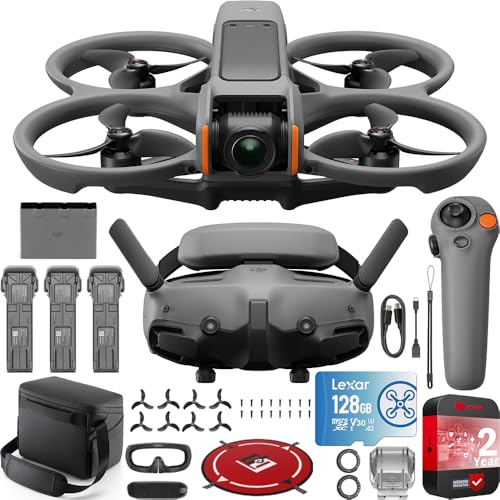
DJI USA Authorized - Includes Full USA Warranty + 2 Year CPS Extended Warranty! DJI AVATA 2 - All Thrills, No Frills | Unlock Adrenaline-Pumping Immersive Flying - Prompt visual feedback through goggles as if you were right there in the cockpit, enjoying a breathtaking perspective, pure thrill and total freedom. | Hassle-Free POV Content, Film making at launch - Ready to help capture high quality POV content, and LightCut app offers numerous templates to make your content creation a breeze.

Unlock Adrenaline-Pumping Immersive Flying - Prompt visual feedback through goggles as if you were right there in the cockpit, enjoying a breathtaking perspective, pure thrill and total freedom.
Professional Applications of GPS Drones
Hey! Have you ever thought about how GPS drones are becoming such a big deal in different professions? These amazing gadgets really shine in areas like precision agriculture, where farmers use them to gather valuable information about crop health. For instance, they can capture detailed aerial images that help farmers decide when to water or fertilize their fields, ultimately boosting their yields.
But that’s not all! In the construction and infrastructure field, GPS drones make inspections a breeze. Instead of workers manually checking out bridges or power lines, these drones can quickly and safely survey large areas, giving engineers immediate insights without putting anyone at risk.
Another fascinating use is in search and rescue operations. Imagine a drone flying over a vast forest, sending live updates to emergency teams about missing hikers or lost pets. It covers much more ground than a team on foot could, making those crucial moments count.
And let’s not forget about environmental monitoring. GPS drones help track changes in landscapes and wildlife habitats – think about how they can survey deforestation or monitor endangered species. This info is vital for making smart decisions about conservation efforts.
Many GPS drones also incorporate altitude hold features, which stabilize their flight for capturing clear and consistent aerial photos and videos.
Recommended Products

True 360° Immersive Flight: Experience the Vision Goggles' massive 90° FOV, 66% wider than standard goggles*, with dual 1-inch Micro-OLEDs and Pancake optics that deliver uncompromised immersion. Its lightweight, 340g design with built-in diopter adjustment ensures a sharp, glasses-free view for every pilot.

【US Local Service Support Team】: ①If you damaged your drone, we always offer low-cost replacement parts in our store & Local warehouse ②We keep upgrading the APP and Tablet system for more Features, KEEP AWAY FROM TREES FOR DRONE SAFETY! AVOID CRASHING TREES. ③Bingchat offers one year quality free replacement support along with 3 years flight quality support. ④Based on our trusted after-sale support, our awesome drones have a high repurchase rate and referral rate from our customers

✅ Made for First-Time Flyers – Professional Results: EZ Pro makes flying easy even if you’ve never touched a drone. With AI-assisted flight and auto-stabilization, you’ll capture stunning aerial shots with zero stress.
Choosing Between FPV and GPS Drones: Factors to Consider
Hey! Have you ever thought about what it really takes to choose between FPV and GPS drones? The first thing you want to consider is how you plan to use your drone. If you’re into capturing those dynamic, thrilling shots for videos or even racing with friends, FPV drones are perfect for that! They’re super agile and give you that immersive feel, almost like you’re in the cockpit. But if you’re looking to do more precise tasks, like inspecting buildings or surveying land, that’s where GPS drones shine. They offer great stability and can even fly themselves to a point you pre-set.
Now, let’s chat about the learning curve. Flying an FPV drone isn’t as easy as it sounds; you really need to brush up on your manual piloting skills to get the hang of it. Meanwhile, GPS drones are usually much more user-friendly. They often come with features like waypoint navigation, which lets you program your flight path just by clicking on a map. So, if you want to just get up and flying without a steep learning curve, GPS might be the way to go.
Finally, we can’t forget about safety. GPS drones often have built-in fail-safe features, like the return-to-home option. That means if you lose signal or the battery is running low, the drone will come back to you automatically. It really gives you peace of mind while you’re flying. Additionally, many GPS drones come equipped with intelligent flight modes that enhance control and creative filming options. By carefully considering these factors, you can make a choice that perfectly aligns with what you need and your skill level. It’s all about matching the right drone to your style!
Recommended Products

[True 360° Immersive Flight] Experience the Vision Goggles' massive 90° FOV, 66% wider than standard goggles*, with dual 1-inch Micro-OLEDs and Pancake optics that deliver uncompromised 2560P immersion. Its lightweight, 340g design with built-in diopter adjustment ensures a sharp, glasses-free view for every pilot.

𝗖𝗮𝗽𝘁𝘂𝗿𝗲 𝗕𝗿𝗲𝗮𝘁𝗵𝘁𝗮𝗸𝗶𝗻𝗴, 𝗜𝗺𝗺𝗲𝗿𝘀𝗶𝘃𝗲 𝗦𝗵𝗼𝘁𝘀 - DJI Air 3's dual cameras offer creative focal-length options ideal for travel photography. Show off stunning environments and tell captivating stories through your lens.

Frequently Asked Questions
What Is the Difference Between GPS and FPV Drones?
In the vast sky, our drone types share unique paths. FPV drones offer exhilarating control with agility, while GPS drones guarantee flight stability through automated navigation. Each enhances user experience, showcasing contrasting technological marvels we explore together.
What Does GPS Mode Do on a Drone?
GPS mode provides us with enhanced flight stability and positioning accuracy, allowing for reliable navigation assistance. With safety features like return-to-home, it guarantees our drone operates safely and efficiently, even in challenging conditions.
What Does FPV Mean in Drones?
FPV means First Person View, where we get an immersive flight experience from the drone’s perspective. This technology enhances our drone racing skills, allowing us to navigate precisely and enjoy the thrill of aerial maneuvers.
Do FPV Drones Need GPS?
FPV drones don’t need GPS; their maneuverability’s so thrilling, it feels like flying a superhero! With stunning FPV video quality, they prioritize pilot skill over GPS accuracy or flight stability, perfect for racing enthusiasts.


