As an Amazon Associate, we earn from qualifying purchases. Some links on this site are affiliate links at no extra cost to you. Our recommendations are based on thorough research and editorial judgment.

Basic Pre-Flight Checklist for Camera Drone Operations

Before we fly our camera drone, we should follow a solid pre-flight checklist to guarantee a safe operation. First, let’s confirm we’ve registered our drone and understand local regulations. Next, we inspect our equipment for any damage, check battery charge levels, and verify all parts are functioning correctly. Planning our flight path is essential—let’s identify no-fly zones and assess weather conditions. Finally, we maintain emergency protocols and check our sensors to prepare for takeoff. Our checklist makes all the difference in a successful flight!
Key Takeaways
- Inspect the drone for cracks, and ensure propellers and camera are functioning properly before starting the flight.
- Verify battery levels, use a proper charger, and carry extra fully charged batteries to prevent power loss.
- Check weather conditions for winds, visibility, and precipitation to ensure safe flying conditions.
- Confirm the Return-to-Home (RTH) feature is operational and set at an appropriate altitude for clearing obstacles.
- Conduct a thorough walkthrough of the flight area to identify hazards and communicate your plan to crew members.
Understanding Drone Laws and Regulations

If you’re thinking about flying drones, it’s really important to get familiar with the laws and regulations that come with it. The Federal Aviation Administration (FAA) is the big boss of drone regulations in the U.S., and they require you to register your drone if it weighs more than 0.55 pounds. Think about that – many popular drones for hobbyists fall just over that weight, so it’s a detail you don’t want to overlook.
You also have to keep an eye on where you’re flying. Certain areas, like airports or military bases, are no-fly zones and can get you in big trouble if you don’t check beforehand. For instance, if you plan to fly near an airport, you’ll need to get permission from air traffic control. And let’s not forget about Temporary Flight Restrictions (TFRs); these can pop up unexpectedly during events like presidential visits or natural disasters. Staying updated on those can save you from a rushed landing or, even worse, a hefty fine.
Plus, flying in places like national parks often needs special permission, which can be tricky. A neat tool to help with all this is the B4UFLY app, which shows you airspace restrictions and alerts you to any TFRs in your area. So next time you think about launching your drone, just remember that a little knowledge about these regulations can go a long way in keeping your flying experience fun and legal!
Also, understanding the importance of commercial flying regulations can ensure you remain compliant if you plan to use your drone beyond recreational purposes.
Essential Equipment Checks Prior to Flight

Hey there! Before we get our drones soaring through the skies, we really need to run through some essential equipment checks. Think of it like a safety ritual—it ensures everything’s in top shape for a successful flight.
First off, let’s take a good look at the drone’s body. You’ll want to inspect it for any cracks, dents, or loose parts—these little issues could pose a safety risk when we’re up there. Next, check the propellers. Give them a quick once-over for any damage or wear because they play a crucial role in keeping our drone stable in the air.
Don’t forget about the camera and gimbal! Make sure they’re securely attached and functioning properly; after all, we want those stunning aerial shots to come out crystal clear. Also, double-check that all the cables for any extra equipment are connected securely and free of snags. A tangled cable could easily ruin our flight!
Lastly, make sure to format the SD card correctly and confirm that there’s plenty of storage space for our mission data. Oh, and remember to pack those extra propellers—just in case!
To keep your gear safe before and after flights, consider storing it in custom-cut foam compartments designed specifically to protect drones and accessories.
With these checks in place, we’re setting ourselves up for a smooth flight experience. Ready to explore other important aspects of drone operation? Let’s go!
Recommended Products

Complete Protective Package: the package comprises a robust hard case with a DIY customizable foam insert and a knife for foam cutting; With this combination, you get ideal protection for your valuables

Complete Protective Package: the package comprises a robust hard case with a DIY customizable foam insert and a knife for foam cutting; With this combination, you get ideal protection for your valuables

Complete Protective Package: the package comprises a robust hard case with a DIY customizable foam insert and a knife for foam cutting; With this combination, you get ideal protection for your valuables
Charging Your Batteries Fully
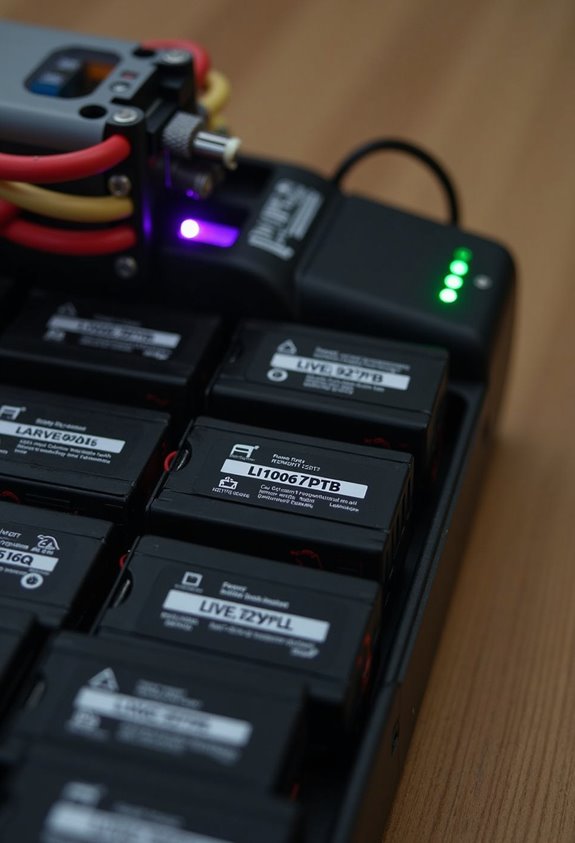
Hey there! You know, charging our drone batteries fully makes a huge difference in how well our flying sessions go. When we have our LiPo batteries charged to perfection, they give us the right voltage and capacity, which helps our drone fly smoothly and stay stable. It’s super important for a great experience!
First off, always use a charger that matches our specific LiPo battery. We want to aim for a charge voltage of 4.2 volts per cell. It’s like making sure our phones are charged to the right level before heading out for the day! Before we plug them in, let’s check the battery health, too. If we store them at about 3.7 volts when we’re not flying, we can really stretch their lifespan.
And speaking of preparation, let’s make sure to look over our charging cables and connectors. Even little signs of wear can prevent our battery from charging properly, leading to frustrating delays. Lastly, let’s not forget to pack some extra fully charged batteries. Running out of juice mid-flight isn’t just disappointing—it can be dangerous and might even mean losing our drone.
For added safety, always ensure your batteries have overcharge and short-circuit protection to prevent potential hazards during charging.
Mapping Your Flight Path and Identifying No Fly Zones
Hey there! If we want our flight to go off without a hitch, it’s super important to map out our flight path and know about the no-fly zones in the area. First things first, let’s grab the FAA’s B4UFLY app. It’s a handy tool that tells us about local airspace restrictions and any temporary flight restrictions, or TFRs, that might pop up before we even start planning our route. For instance, if there’s a big event nearby like a concert or a sports game, TFRs will likely be in place to keep the airspace clear for security.
Next, let’s talk about how important it is to get familiar with the specific regulations in the area we’re flying. This helps us navigate controlled spaces and avoid sensitive locations, like near airports or wildlife reserves. Another great tip is to use high-resolution Digital Elevation Models (DEMs). They give us a clearer picture of the terrain, so we can spot hills or buildings that could be in our way.
Don’t forget to check resources like LAANC for real-time airspace updates. It’s really valuable to get quick authorization if we need it. Lastly, when mapping our flight path, we should keep an eye on environmental factors like power lines and tall buildings. By doing this, we make sure we’re flying safely and smoothly, avoiding any potential obstacles. This sets us up perfectly to discuss the best practices for flying safely in these mapped areas!
To maximize safety and efficiency, incorporating GPS functionality in our drone helps maintain flight stability and supports a reliable Return-to-Home feature.
Recommended Products
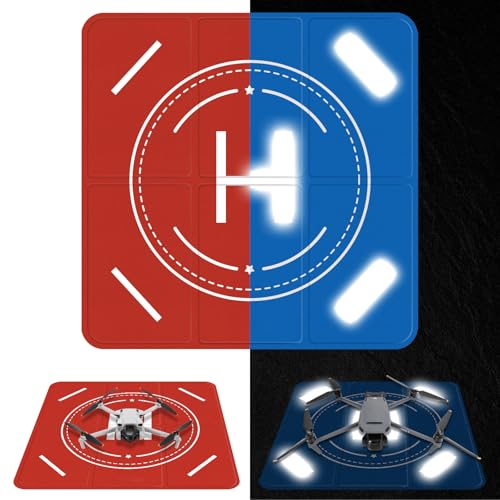
Waterproof & Easy to Clean: The landing pad is made of high-quality double-sided PU leather, waterproof and dustproof, strong and durable, soiled with dust and mud, just rinse with water and then shake dry
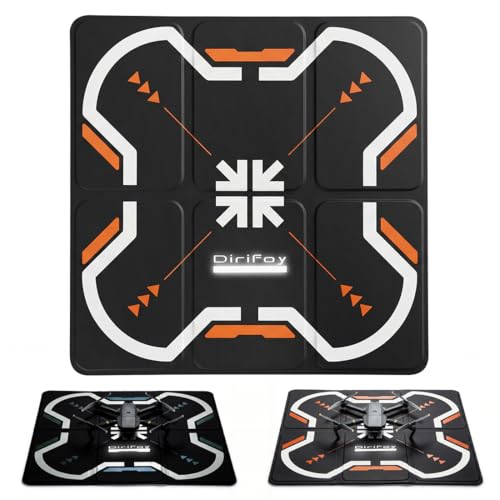
【Reflective Landing Mat】 High-intensity reflective strips and enhanced reflective LOGO are engineered to be a highly visible beacon for instant recognition. The bold, super-reflective LOGO acts as a clear visual focal point from the air, giving you a bright, unmistakable target for safe landings at dusk, dawn, or night
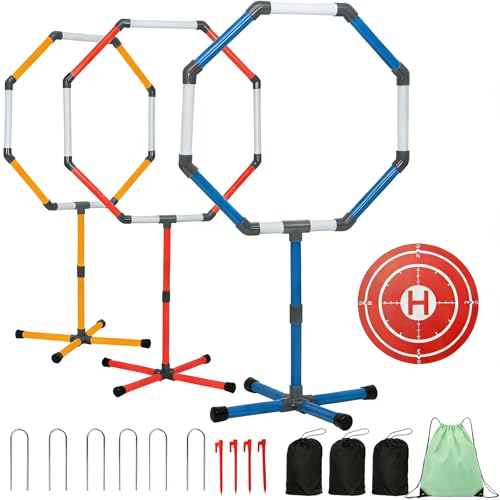
3 Size Progressive Training System: Still worried about how to train your drone? Now, This versatile FPV drone obstacle course accommodates all drone types -large drones, mini drones, and FPV models. Featuring 20/23/27-inch hoops allow beginners to adjust the track difficulty with ease. for beginner to advanced challenges. Create custom race routes to improve precision flying and obstacle avoidance techniques (NOTE:No included drone )
Assessing Weather Conditions for Safe Flight
If you want to ensure a safe and successful drone flight, checking the weather conditions is a must. Let’s talk about a few key factors that can really make or break your flying experience.
First off, watch those high winds. A good rule of thumb is to steer clear of flying when winds exceed 20 mph. That strong gust can throw your drone off balance and make it hard to control. Just picture trying to balance a lightweight beach ball in a storm—it’s not going to end well.
Next, think about precipitation. Rain or snow can harm your drone’s electronics and mess with its camera. For example, if you’re planning to capture some beautiful scenic shots, you might end up with blurry images if the skies are pouring.
Visibility is another important factor. You’ll want at least 3 statute miles of clear sight so you can keep your drone within visual line of sight. It’s like being in a crowded marketplace—you wouldn’t want to misplace your buddy in the crowd.
Lastly, keep an eye on temperature. Ideally, you should fly when it’s between -10°C and 40°C (14°F to 104°F). Extreme temperatures can drain your drone’s battery quicker than you might think.
To simplify all this, using weather apps like UAV Forecast can give you the specifics you need before you head out. With just a quick check, you can feel confident knowing you’re flying under the best conditions. Also, understanding your drone’s flight time and battery considerations can help you plan your session effectively.
Ready for takeoff? Let’s look at some safety checks you should perform before launching your drone into the skies!
Inspect Your Drone for Functionality
Alright, so once we’ve made sure the weather is perfect for flying our drone, it’s time to give the drone a good once-over. We want to check for anything that might keep it from flying smoothly. First off, look at the airframe – any cracks, dents, or scratches? Those can really mess with how the drone handles in the air.
Next up, let’s take a close look at the propellers. Make sure they’re free from any chips or bends. Even a tiny flaw can throw off flight safety, you know? If you find something off, it might just be worth replacing a propeller before we take off. Also, don’t forget about the gimbal! Give it a little test – it should move smoothly to ensure you get clear footage while flying.
Oh, and let’s not overlook the antennas! Make sure they’re tightly in place and free from any dirt or debris that might interfere. Finally, double-check the battery. It should be charged fully and properly seated. A poorly charged battery can lead to some pretty scary mid-flight surprises!
Additionally, understanding your drone’s battery life expectations can help plan safer and more efficient flights.
Calibrating Your Drone’s Sensors and Compass for Safe Flight
Hey there! Before we get our drone in the air, let’s chat about why calibrating the drone’s sensors and compass is super important. Doing this step ensures we get accurate navigation, which is key for a safe flight. It’s best to do this calibration in an open space, away from anything that could interfere with the magnetic readings—like buildings or metal structures.
Now, there’s also something called the IMU, or Inertial Measurement Unit. Think of it as the drone’s internal balancing system. If you’ve recently moved your drone, had a little crash, or switched environments, this should be recalibrated too. A simple way to check this is to check your user manual for the calibration steps since they can be different depending on the drone model.
Also, make it a habit to check your calibration settings before every flight, especially if you’re taking off in new locations or facing different weather conditions. This little tip can really help prevent those nerve-racking flyaways and keep our flight path steady and controlled. Additionally, understanding the role of 1-inch sensors in drone technology can help you appreciate why precise sensor calibration impacts overall image quality and flight safety.
With that out of the way, let’s move on to some essential pre-flight checks to make sure everything’s in top shape!
Recommended Products

Multifunction: Our M5 M3 quick release wrench tool is designed for fpv propeller tighten or releasing M3 M5 hex nuts on fpv motors.

Mr. Pen set includes a compass and protractor, perfect for mathematics, engineering, and drafting, with the compass capable of drawing circles up to 12 inches in diameter.

STUDENT COMPASS - This geometry compass draws accurate circles every time. STAEDTLER craftsmanship shows in smooth rotation and precise measurements, making it essential for geometry class
Establishing Emergency Protocols and Safety Measures
Hey there! As we get ready for our flight, it’s super important to talk about emergency protocols and safety measures. Think of these as our game plan for handling any surprises that might pop up while we’re in the air. First things first, let’s check out the drone’s Return-to-Home (RTH) function. We want to make sure it’s set to fly back to us at a height that avoids any trees or buildings—really, it’s just about keeping things safe.
Next, we should do a quick walkthrough of our flight area. What am I talking about? Well, let’s identify things like power lines nearby or if there’s a crowd gathered. Knowing about these potential hazards helps us to plan ahead and take steps to avoid them. For instance, if we spot a power line, we can adjust our flight path to keep it safely out of range.
It’s also smart to have all our emergency contact info handy, like numbers for local aviation authorities or emergency services. This way, if anything really goes sideways, we can reach out quickly. And don’t forget, we all need to be on the same page with emergency procedures. Making sure everyone knows how to signal important information—like if we see something unexpected—will help keep us all safe throughout the flight. Additionally, enabling 360-degree obstacle avoidance on our drone can significantly enhance safety by preventing unintended collisions.
Recommended Products

Foldable Propeller for S119 RC Drone, high quality, not easy to break, durable.

Pre-Power Installation: Always insert the obstacle avoidance module into the slot before powering on the drone body to avoid system errors.
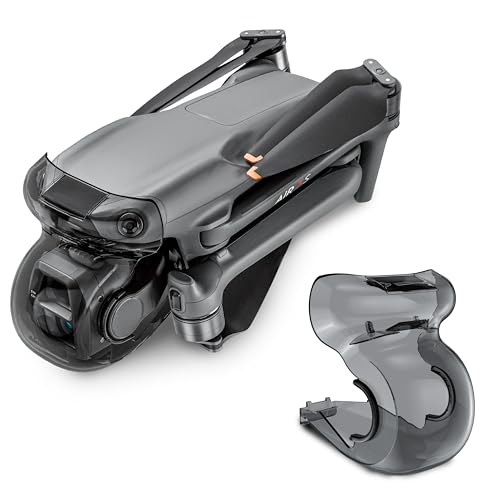
Designed for DJI AIR 3S: Perfectly fits the AIR 3S gimbal, stable and firm, won't fall off
Leveraging Technology for Effective Flight Planning
If you want to make flight planning for your drone a breeze, using technology is definitely the way to go. Mobile apps like UgCS are super helpful—they let you import high-resolution maps of the terrain, which means you can plan your flight path with precision. For example, you can see exactly how high you need to fly over hills or buildings, ensuring you’re hitting the right altitudes and speeds even before you take off.
And here’s another neat trick: the LAANC Authorization app allows you to check on-the-spot whether you can fly in certain airspaces. It’s a quick way to stay on the right side of federal regulations, keeping you compliant with minimal effort. Plus, for weather updates, apps like UAV Forecast and Windy give you detailed insights on wind speeds and likelihood of rain, so you know if it’s a good day to fly or best to wait.
Don’t forget to use mobile apps for your pre-flight preparations as well—they’re great for automating your checklists and ensuring that your drone is ready to go. So, with all these tools at your disposal, you’re well-equipped for smooth and safe operations. It’s amazing how technology can simplify things, right? Speaking of smooth operations, let’s chat about the best practices for maintaining your drone between flights. Leveraging AI-powered enhancements in software can also help streamline your video editing workflow after capturing your footage.
Recommended Products

【A Fun Tech Gift for Him】 The perfect high-value tech gift for Father’s Day, birthdays or holidays. Whether for parent-child activities or capturing travel memories, this drone brings families together through the joy of flight.


Simple and easy way to log every RC flight, including date, aircraft, location, duration, and notes
Final Ready-to-Fly Checklist Before Takeoff
Hey there! You know, every successful drone flight really kicks off with a solid final ready-to-fly checklist. It’s all about being well-prepared so that unexpected issues don’t pop up during our journey. Think of it like packing your bag for a trip; you want to make sure you have everything you need before you hit the road.
So, the first thing we do is take a good look around—checking the weather and scanning the takeoff area for any obstacles. For example, if it’s windy or there’s a tree nearby, we’ll need to rethink our plan. Then, we double-check that all our pre-flight preparations are squared away. This means looking at battery levels, making sure the firmware is up-to-date, and ensuring the SD card is formatted and ready to capture those amazing aerial shots.
Next, we need to set the Return-to-Home altitude. This is crucial for clearing any potential hazards, like those pesky power lines or rooftops. We definitely don’t want to lose our drone because of an overlooked obstacle! And just before we take off, we do a quick visual inspection around us to make sure there aren’t any people or vehicles nearby. Once that’s done, we call out to the crew about our upcoming takeoff. This way, everyone’s on the same page, and we can ensure it’ll be a smooth flight.
Keep in mind that enabling GPS Return to Home provides an added layer of safety by automatically guiding your drone back in case of signal loss or low battery.
Thinking of all these steps might seem a bit overwhelming, but once you get the hang of it, it just becomes part of the exciting routine! Now, let’s dive into what to keep an eye on while the drone is in the air.
Frequently Asked Questions
How Can I Improve My Drone Flying Skills?
To improve our drone flying skills, we should practice advanced aerial photography, master drone maneuver techniques, plan flight paths, learn emergency landing strategies, and follow battery management tips for longer, more precise flights. Let’s soar together!
What Should I Do if My Drone Loses Signal?
If our drone loses signal, we should activate emergency landing procedures and utilize signal recovery techniques. We must also guarantee pre-flight checks are thorough, monitor battery levels, and utilize obstacle avoidance systems for safety.
How Often Should I Maintain My Drone?
We should inspect our drones frequently, ideally after every flight, and schedule essential maintenance tasks quarterly. Seasonal maintenance tips include battery care strategies and troubleshooting common issues to guarantee top performance throughout the year.
Can I Fly My Drone at Night?
Absolutely, we can fly our drones at night! However, we must guarantee proper drone lighting requirements, follow legal night operations, utilize night vision technology, and heed nighttime safety tips for a safe experience—just like stars guiding our way.
What Are the Consequences of Violating Drone Regulations?
Violating drone regulations can lead to fines and penalties, legal repercussions, and safety violations. We must also consider airspace restrictions and insurance liabilities—these consequences can seriously impact our ability to operate drones responsibly and lawfully.