As an Amazon Associate, we earn from qualifying purchases. Some links on this site are affiliate links at no extra cost to you. Our recommendations are based on thorough research and editorial judgment.


Best Practices for Charging and Storing Drone Batteries

To guarantee our drone batteries last longer, we should follow best practices for charging and storage. First, we should identify our battery type, either LiPo or Li-Ion, and use the appropriate charger. Keeping charge levels between 40-60% is essential, along with avoiding extreme temperatures. After flying, let them cool for about 20 minutes before charging. Regularly inspect them for any damage, and utilize proper storage methods. By following these tips, we can maximize battery performance, and there’s more to explore on this topic.
Key Takeaways
- Charge drone batteries at a temperature between 20°C and 25°C (68°F to 77°F) to prevent overheating and swelling.
- Allow batteries to cool for 20 minutes after flying before charging to enhance longevity.
- Store batteries with a charge level between 40% and 60% to maintain their health during storage.
- Inspect batteries regularly for physical damage, like swelling or leakage, and address any issues promptly.
- Use certified chargers designed for your battery type and always follow the manufacturer’s recommendations for optimal care.
Types of Drone Batteries: Which One Do You Have?

Hey there! So, when it comes to drone batteries, it’s super important that we understand the difference between the types out there. Most drones are powered by rechargeable lithium batteries, and the two main types you’ll come across are LiPo batteries and Li-Ion batteries.
Now, let’s break that down a bit. LiPo batteries are the go-to for high-performance drones because they can discharge power very quickly. This makes them great for racing or doing stunts, but they can be a bit fussy about temperature—too hot or too cold can mess with their performance. On the flip side, we have Li-Ion batteries. These guys are usually found in professional setups since they’re more stable in terms of heat and can store more energy. This means you can get longer flight times, which is perfect if you’re capturing those beautiful aerial shots.
Knowing whether you’re using LiPo or Li-Ion batteries is so crucial, especially when it comes to safely charging and storing them. For example, if you’ve got LiPo batteries, you’ll want a fireproof bag for charging to minimize risks. And it’s not just about safety; the right battery practice can definitely enhance how your drone performs in the air. So, let’s chat about what to do once we’ve got our batteries sorted! Additionally, using batteries with overcharge and short-circuit protection can significantly improve safety during use.
Why Proper Charging Matters for Battery Lifespan

So, you’ve figured out what type of battery your drone uses, and now you’re wondering: why does proper charging matter so much for battery lifespan? Well, for lithium polymer (LiPo) batteries, following the manufacturer’s tips can truly make a big difference in how long they last.
First off, aim to charge your battery when the temperature is between 20°C to 25°C (or about 68°F to 77°F). This helps to prevent swelling, which can be a real problem with LiPo batteries. Also, give your battery some cooling time—let it rest for about 20 minutes after you finish flying before you plug it in. This simple step can significantly reduce thermal stress on the battery.
When you’re not using your drone for a while, store those batteries with a charge between 40-60%. This level is a sweet spot that keeps the cells healthy and avoids issues like overcharging or draining them completely. It’s like keeping your phone charged just enough so it doesn’t wear out too quickly.
And here’s a pro tip: try to cycle your battery every couple of months by draining it to around 15%. This little routine can really help maintain its peak performance. Just make sure to use certified chargers specifically designed for your battery; this prevents any risk of short circuits and ensures everything is compatible. Additionally, matching the connector types to your device, such as EC5 or XT60, is crucial for safe and efficient charging.
How to Recharge Your Drone Batteries Like a Pro

Recharging your drone batteries effectively is super important, not just for ensuring they perform well, but also for making them last longer. Think of it like taking care of your phone battery—take the right steps, and you’ll get more lifetime out of it. So, here are some tips to help you recharge like a pro.
First off, always use the manufacturer’s charger. I know it might be tempting to grab a cheaper, third-party option, but those can mess up the charging process. For example, I once tried using a generic charger, and it overcooked my battery, leading to shorter flight times—and no one wants that!
Next, don’t forget about cooling your batteries. After a flying session, let them cool for about 20 minutes before you start charging. This helps prevent thermal stress, giving them a better chance of lasting longer.
If you’re storing your drone for a while, it’s best to keep the battery charge between 40-60%. This storage tip is crucial; if you let it drain completely or stay fully charged for too long, you might find yourself with a dead battery when you’re ready for your next adventure.
Another useful habit is to cycle your batteries every couple of months. Just charge them up, let them drain to about 15%, and then charge again. This little routine can help keep everything balanced and running smoothly.
Lastly, it’s smart to check your battery connectors and cables for any signs of wear or damage before charging. A small inspection can save you from bigger issues down the line.
Also, choosing chargers with intelligent safety systems like overcharge and temperature protection ensures your batteries are charged efficiently and safely.
With these tips, you’ll be well on your way to keeping your drone batteries in top shape. Now, let’s talk about how to maximize your flight time between recharges!
Effective Strategies for Monitoring Drone Battery Health
Hey there! Keeping an eye on our drone battery health is super important—it’s just as crucial as knowing how to charge them up. You want to aim for a charge of about 40-60% before you store your batteries, so they stay in tip-top shape. Regularly checking those voltage levels really helps too.
For instance, if you’re not using your drone for a while, consider utilizing its built-in battery management system. These systems can track charge cycles and keep you from accidentally over-discharging or overcharging your batteries. It’s a handy feature that extends their lifespan!
Additionally, every couple of months, give your batteries a little workout. By fully charging and then using them until they’re down to about 20%, you keep them active, which helps preserve their health. And don’t forget to give them a quick once-over for any physical damage—if you see any swelling or leakage, it’s time to consider retiring that battery. Keeping a log of your charge cycles can also make it easier to see when a battery might be on its last legs.
Just like keeping track of a plant’s watering schedule, consistent monitoring will lead to happier, healthier batteries! Using a Lipo safe bag for storage and transport also reduces fire risk and enhances safety. So now that we’ve laid the groundwork for battery care, let’s take a look at how to maximize flight time while being mindful of battery usage.
How to Properly Store Your Drone Batteries
Hey there! Let’s chat about how to properly store your drone batteries. If you want to get the most out of your DJI drone batteries, storing them right is key. Aim for a charge level between 40% and 60%—think of it like not overstuffing your suitcase when you travel. Too full or too empty will wear them down faster than you’d like.
Now, where you store those batteries matters too. Keep them in a cool, dry spot with good airflow, and definitely away from direct sunlight. For example, a drawer in your home office or a cool corner of your garage works well. This helps avoid issues like swelling and keeps everything safe during storage.
Don’t forget to give them a quick check every few months. Just pop out a battery and check the voltage to make sure it’s not dropping too low. And if you’re planning to store them for a long time, consider using a fireproof safety bag or container. It adds an extra layer of protection against fire risks and helps ensure your batteries last longer.
Storing your drone batteries wisely is a simple way to extend their lifespan and keep your drone ready to roll. With that in mind, let’s look at some tips on how to charge them properly to maximize their performance! Also, remember that battery capacity plays a crucial role in overall flight time and health.
How to Identify and Address Common Battery Issues?
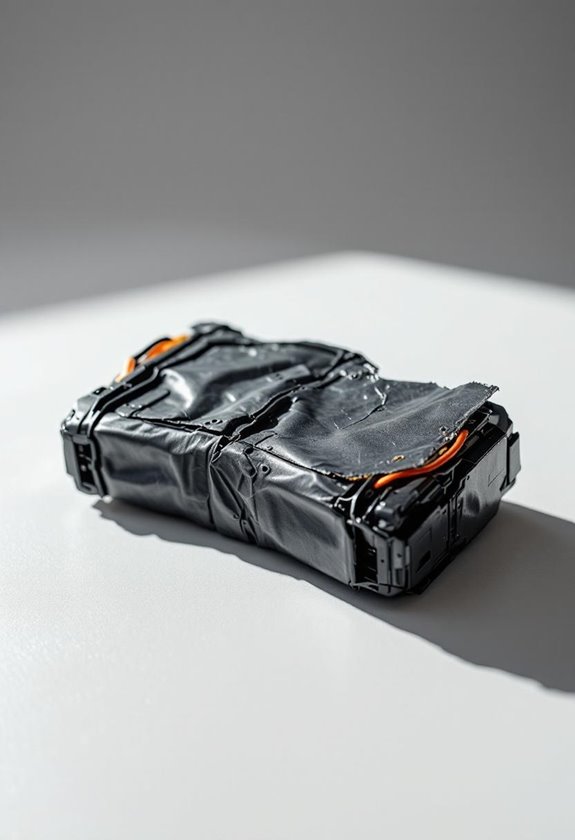
Alright, let’s talk about keeping our drone batteries in top shape! After you’ve stored them properly, it’s super important to keep an eye on their health. Regularly inspecting your batteries is key—look out for any physical damage like swelling or leaks. For instance, if you notice your battery is bulging or has a sticky residue, that’s a red flag.
Another thing to watch for is a drop in charge capacity. If you see that your drone isn’t flying as long after about 200-300 charge cycles, it could be time for some maintenance or even a replacement. Don’t forget to check the battery terminals. If they’re bent or corroded, that can mess with the connections and affect how well your drone works.
Make sure you follow the manufacturer’s guidelines on charge cycles too! And if you ever see any error notifications pop up on your drone’s software, definitely take a moment to troubleshoot the battery condition. Look at its usage history and make sure it’s fully charged before you take to the skies again. It’s all about ensuring your battery’s ready to perform when you need it. Using a charger with smart technology can help optimize battery life and safety. Speaking of readiness, let’s explore how to enhance your flight time next!
Environmental Factors That Affect Battery Performance
Hey there! You know, when it comes to drone batteries, they might seem like dependable power supplies, but a few environmental factors can really shake things up. For example, if the temperature dips below freezing or climbs above 104°F, the battery’s capacity can take a hit. So, it’s smart to store them at room temperature—ideally between 60°F and 80°F—just like a cozy house.
Humidity is another sneaky villain. If it gets too humid, it can speed up corrosion and make the battery lose charge faster than you’d like. Plus, if you’re flying your drone at high altitudes, the lower air pressure can cause the battery to swell or even get damaged. To keep your batteries in tip-top shape, take a moment to regularly check their voltage, especially if they’ve been moving between different environments. And always keep them away from anything flammable! Implementing a Battery Management System can also help by monitoring and protecting your drone’s battery from these environmental stresses.
Safe Disposal Methods for Drone Batteries
Hey there! Let’s chat about the importance of safe disposal methods for drone batteries. You might not realize it, but these batteries can be pretty risky if not disposed of properly. To avoid any fire hazards, make sure to fully discharge your drone batteries before tossing them out. It’s a simple step, but it makes a big difference!
One way to safely discharge them is by using a halogen light bulb. Just connect the battery to the bulb, and it will help drain the power safely. Remember, never leave your batteries unattended during this process—it’s crucial to handle them responsibly.
When it comes time to dispose of them, look for battery drop-off facilities or programs like Call2Recycle. Places like Walmart and Target also have dedicated e-waste drop-off points where you can safely drop off your old batteries. It’s a straightforward process, and it helps protect the environment. Using fireproof battery bags during storage and transport prior to disposal can further reduce the risk of fire hazards.
What to Know About Traveling With Drone Batteries?
If you’ve ever thought about traveling with drone batteries, you’re not alone! It’s super important to know how to handle them correctly to ensure everything goes smoothly. First off, when you’re packing, always put those batteries in your hand luggage. And remember, they should ideally be under 100 watt-hours, or up to 160 watt-hours if you get special permission.
A key tip is to tape the battery terminals to prevent any short circuits. It’s a simple step that can save you a lot of trouble! You might also want to consider using a fireproof battery bag to keep everything safe. On a road trip, make sure to store the batteries in a spot with good ventilation and avoid placing them with loose items that might jostle around and cause damage.
And don’t forget to keep an eye on the charge level of your batteries. For long-term storage, it’s best to aim for a charge level between 40-60%. This little trick helps maintain their health and longevity. When you’re careful with your drone batteries, you’ll not only protect your gear, but traveling will feel a whole lot easier! Using automatic shut-off features can also enhance safety during battery charging and usage.
Now that we’ve covered the basics for flying safely, let’s chat about where you can actually fly those drones once you reach your destination.
FAQs About Drone Battery Care?
Hey there! Let’s chat about drone battery care because it’s super important if you want your drone to fly smoothly. First things first, always charge your batteries within the temperature range recommended by the manufacturer. This helps avoid overheating. After you’ve flown, let your batteries cool down before you plug them in again—think of it like letting your pizza cool before taking a big bite!
When it comes to long-term storage, aim to keep your batteries charged between 40% and 60%. This range helps protect them from wear and tear. If you’re in a short-term situation where you might fly again soon—like within the next ten days—keeping a charge between 60% and 80% is best. It’s like keeping that extra slice of pizza fresh in the fridge for a day or two!
Don’t forget to give your batteries some love every couple of months by cycling through them! This means using and charging them to keep their capacity in check. And, of course, keep an eye out for any signs of trouble like swelling or leakage. If you spot any, it’s best to replace them. Also, after about 200-300 charge cycles, consider getting new ones for safety. Battery packs with built-in Battery Management System help prevent overcharging and increase safety.
Frequently Asked Questions
Can I Charge My Drone Battery Overnight Safely?
Sure, we can charge our drone batteries overnight—if we fancy waking up to a science experiment! Let’s embrace proper battery management practices and avoid those overnight charging risks. Charging safety tips are our new best friends!
What Is the Optimal Temperature for Battery Storage?
For ideal battery health, we should store batteries between 20-25°C. By maintaining proper temperature control, we enhance their lifespan and performance, especially during longer storage durations. Let’s prioritize this for our drone batteries!
How Long Can I Leave Batteries Unused?
We shouldn’t leave batteries unused for more than three to six months. Proper storage conditions and regular battery maintenance help maximize battery lifespan, ensuring they’re ready when we need them for our next flight.
Can I Use a Different Charger for My Drone Battery?
We believe it’s not wise to use a different charger for our drone battery, as compatibility concerns can jeopardize battery lifespan. Always check charger specifications to guarantee everything runs smoothly and safely for our tech.
Is It Safe to Fly With a Partially Charged Battery?
It’s not perfect to fly with a partially charged battery, as it can impact battery life and flight performance. To guarantee maximum charging efficiency, we should always aim for fully charged batteries before takeoff.