As an Amazon Associate, we earn from qualifying purchases. Some links on this site are affiliate links at no extra cost to you. Our recommendations are based on thorough research and editorial judgment.

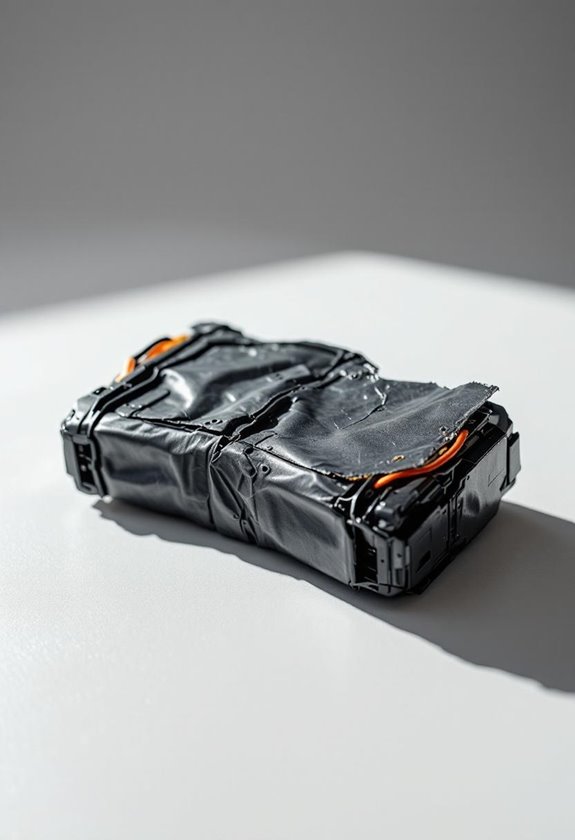
What to Do With Swollen or Damaged Drone Batteries

If we notice a swollen or damaged drone battery, we need to act fast. First, we should stop using the drone and disconnect the battery immediately. Next, place it in a fire-resistant container, like a metal box with sand, and store it in a cool, dry area away from flammable materials. It’s essential to dispose of the battery at an authorized e-waste recycling center. By staying cautious, we can guarantee safety and prevent hazards. There’s more to learn about battery care and disposal.
Key Takeaways
- Immediately stop using the drone and disconnect the swollen battery to prevent further issues.
- Place the battery in a fire-resistant container, like a metal box filled with sand, for safety.
- Submerge the battery in a saltwater solution to safely discharge it before disposal.
- Dispose of the battery at an authorized e-waste recycling center to ensure proper handling.
- Always wear protective gear during removal and work in a well-ventilated area to avoid harmful fumes.
Understanding Why Drone Batteries Swell?

Hey there! So, let’s chat about why drone batteries swell—it’s a pretty interesting topic and something all drone enthusiasts should know about. The main culprit is usually excessive heat. When the battery gets too hot, often reaching above 60°C, it can start breaking down the electrolytes and releasing gas, which leads to that annoying swelling.
Another big factor is improper charging. For example, if you overcharge your battery or use a fast charger that’s not compatible, you’re essentially feeding it too much energy too quickly, which generates extra heat and speeds up the swelling. Then there’s the issue of over-discharging; if you constantly drain the battery too much, it weakens its internal structure, contributing to the swelling.
Don’t forget about the environment. Things like moisture, chemicals, or even just rough handling during flights can all damage the battery and increase the risk of swelling. And remember, a swollen battery can lead to serious problems like thermal runaway, which is a fire hazard. So, staying aware of these causes is key for safe drone operation! This understanding can really help you take better care of your gear and ensure your drone stays in the skies, where it’s meant to be. Proper safety considerations are essential to avoid battery damage and ensure long-lasting performance.
How to Identify a Swollen Battery

Hey there! So, let’s talk about how to identify a swollen battery, especially since it’s super important for keeping our drones safe and working well. When a battery swells, you might notice it bulging out more than usual, which usually means there’s some gas building up inside or it’s been damaged.
To spot this, just take a moment for a quick visual check. If the battery looks puffed up or has any unusual shapes, that’s definitely a red flag. This swelling can happen for a few reasons—maybe it got too hot, was overcharged, or even mishandled. For example, if you leave a battery in a hot car or drop your drone during a flight, those actions can lead to problems.
It’s important not to brush off even a little swelling. It could mean the battery is starting to fail, and that can lead to overheating or even a fire while you’re flying. So, if you see anything suspicious, stop using the battery right away. Also, check to see if the battery still fits snugly in your drone—if it doesn’t, that’s another sign things might be going wrong.
Being vigilant about battery health helps ensure your flying experience is not just fun but safe too. Speaking of safety, let’s jump into what to do if you suspect a battery has gone bad! Using a Lipo safe bag for storage and transport can help prevent further risks related to swollen or damaged batteries.
Why Swollen Batteries Are a Safety Hazard

Hey there! So, you know how sometimes a battery might look a bit puffed up? A swollen battery isn’t just a little annoyance—it’s a serious safety concern. When a battery swells, it’s a sign that something’s gone wrong inside. This happens because gas builds up when the battery’s electrolyte starts breaking down. If things get too heated (literally!), it can lead to what’s called thermal runaway. This means the battery can get super hot and even start smoking or catch fire. Yikes!
Let’s break it down a bit. First off, if you notice a swollen lithium battery, it’s a red flag that it’s not safe to use, especially while charging or if it’s left alone for a while. Imagine you’re flying a drone, and the battery swells—using it could not only crash your drone but might endanger anyone nearby if it explodes. That’s pretty scary, right?
So, what do you do if you find a swollen battery? You need to take it out of service right away. Don’t try to reuse it, even if it looks fine afterward. The safest bet is to recycle it properly. Just remember, a little awareness can go a long way in keeping you and those around you safe!
Now, let’s chat about how to deal with batteries effectively—like how to store them properly or recognize the signs they might be reaching the end of their lifespan. Proper temperature resilience is crucial to maintaining battery safety and longevity.
What to Do Right Away With a Swollen Battery
When you spot a swollen battery, it’s crucial to act quickly to keep things safe and prevent any further issues. First things first: stop using your drone right away and gently disconnect the swollen battery. You want to avoid putting any extra pressure on it since that could lead to a bigger problem.
Once you’ve got the battery disconnected, the next step is to find a safe place for it. A good option is to put it in a fire-resistant container, like a metal box filled with sand, and keep it in a cool, dry location away from anything that could catch fire, like paper or fabric. Think of it like storing away a potentially dangerous item until you can handle it properly.
When you’re ready to dispose of the battery, you can submerge it in a saltwater solution—mix about 30 grams of salt with one liter of water—and let it sit for around 72 hours. This method helps discharge the battery safely. Just remember to only take it to an authorized e-waste recycling center afterward to make sure it’s dealt with according to environmental standards. After all, the last thing we want is to contribute to more waste or hazards!
Now, let’s talk about how we can prevent a swollen battery from becoming a problem in the first place. Proper storage and charging practices, including maintaining optimal temperature control, are key to extending battery lifespan and avoiding damage.
Recommended Products

Safety Design: specially designed for the safe storage and transportation of lithium polymer batteries, the double zipper closure design ensures a tight seal, further enhancing safety
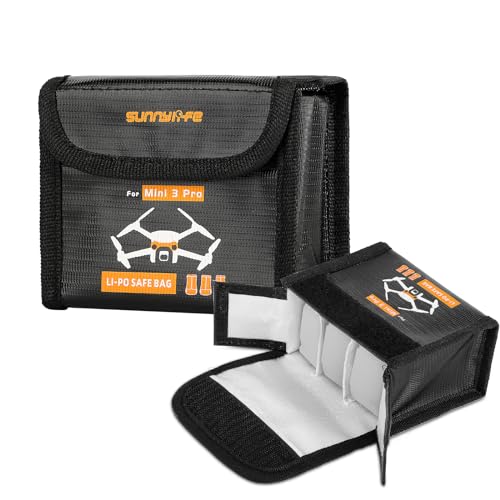
Flame Retardant Material: the inner fabric is made of high flame-retardant nylon fiber, and the outer material is pvc flame-retardant cloth.heat resistance,explosion proof,and fireproof.

【Trusted Fireproof Protection】ZOOPIP fireproof lipo battery box is made of high-quality fire-retardant silicone-coated fiberglass with UL94 5VA certification, features a splash-proof design to withstand rain, and delivers maximum protection for batteries during charging and storage.
Steps for Safely Removing a Swollen Battery
Hey there! So, if you ever find yourself needing to remove a swollen battery, it’s super important to keep safety at the forefront. To start, make sure your device is completely powered off and don’t even think about charging it—that could lead to a risky situation called thermal runaway, which is basically when the battery overheats and could even catch fire.
Next, find a spot that’s well-ventilated. It’s a good idea to wear gloves and eye protection as a precaution against any harmful fumes the battery might release. Oh, and if you have a fireproof container handy, like a metal box filled with sand, that’s perfect for holding the battery if things start to heat up unexpectedly. Just think of it as a safety net!
When you’re ready to take out the battery, be sure to follow a step-by-step battery replacement guide closely. Puncturing a lithium polymer (LiPo) battery, for example, can lead to some really dangerous chemical reactions. If you notice the battery getting warm or if it starts to smoke, don’t touch it! Just step back and call in a professional to handle it from there.
Taking these precautions can save you from a lot of potential trouble. And remember, dealing with batteries isn’t just about the removal process—it’s also about knowing when to ask for help. That leads us to understanding what to do with the battery once it’s out, which is just as critical! For added protection during transport or storage, consider placing the battery in a fireproof battery bag to minimize fire hazards.
Recommended Products

DerBlue 2pcs Fireproof Explosionproof Lipo Battery Safe Bag Lipo Battery Guard Safe Bag(185x75x60mm)
Designed specifically for safely storing and transporting lipo batteries, our Lipo Battery Safe Bag provides peace of mind for hobbyists and professionals alike.

🔥【Why do you need lipo battery bag】- Do you know the potential dangers of lipo batteries? Once the battery is shorted, it will instantly generate high temperature and spontaneously ignite, which brings danger to you and your family.We designed this bag to minimize that risk, even though it can't withstand the heat and flames naturally generated by batteries for long time. But it will at least give you time to react to a spontaneous battery combustion.

The inner layer of the explosion-proof bag is made of 100% fire-resistant fiberglass fabric, with an outer layer coated in PVC fiber, ensuring the safe storage of lithium polymer batteries
What Not to Do With a Swollen Battery
Hey there! So, if you ever find yourself with a swollen battery, it’s super important to know what not to do to keep yourself safe. For starters, never charge a swollen battery. Seriously, just don’t. Charging can make it go into thermal runaway, which sounds fancy but basically means it could catch fire or even explode.
Also, whatever you do, don’t poke or mess with that swollen battery. You could release some nasty gases that are not safe at all. Picture it like a balloon—when you poke it, you might get a big surprise! And definitely avoid using that battery in any of your devices; it can damage them and put you at risk too.
When it comes to getting rid of a swollen battery, make sure to dispose of it properly. You can’t just throw it in the trash—you need to take it to a place that does e-waste disposal. Lastly, think twice before you store any swollen batteries. Keep them away from humid or hot spots in your home; that can just make everything worse. Using proper safety features when handling power sources is crucial to prevent accidents.
Essential Tips for Long-Lasting Drone Battery Care
If you want your drone batteries to last as long as possible, there are some really straightforward care practices to keep in mind. Think of it like taking care of your phone battery – you want to avoid problems like swelling or damage. One of the first things you should do is keep an eye on the temperature while you’re charging or using your drone. If it hits over 60°C, that can cause some serious issues, so just keep it cool.
Using the charger that came with your drone is also super important. If you plug in a different one, you run the risk of overcharging, which can create a lot of heat and lead to battery damage over time. Here’s a tip: when you’re finished flying and you know your batteries are going to be sitting for a while, try to discharge them to about 30%. This helps ease the stress on the cells and reduces that swelling risk we want to avoid.
Lastly, it’s a good idea to have a little charging routine. After you’ve used your batteries, let them cool down for a bit before you plug them in to charge again. This simple step can make a big difference. Taking these actions will not only extend the life of your batteries but also keep your drone flying smoothly!
For added safety and longevity, consider using a battery protection circuit designed to prevent overcharge and overheating.
So, let’s turn our attention to what you might want to do if your batteries start showing signs of wear.
Recommended Products

3Pcs 3S 12V 18650 10A 3S BMS 12V Charger Li-ion Lithium Battery Protection Board Module Anti-Overcharge Over-Discharge Over-Current Short Circuit

Must-have FPV Tool: Not only can you safely check for any mess-ups you may have done while building or repairing, but you can power your quad on and off safely.

Product Name: TP4057 1A 3.7V Lithium Battery Charge and Discharge Board
Disposing of Damaged Batteries in India
Hey there! So, you know how important it is to take care of our drone batteries, right? Proper handling and maintenance, especially when they start swelling or showing damage, is a big deal—not just for getting the most out of them, but also for keeping things safe and eco-friendly. In India, tossing a swollen battery in the regular trash is a definite no-no. Instead, we should make a trip to an authorized e-waste recycling center.
Before we dispose of those damaged batteries, there’s one crucial step: we need to safely discharge them. A simple way to do this is by soaking them in a saltwater solution for a bit. Think of it as a little pre-disposal spa treatment for the battery! Plus, to stay on the right side of environmental regulations, we should only use CPCB-approved recycling facilities or certified drone service hubs.
Also, when you’re storing those swollen batteries, put them in a cool, dry spot, away from anything flammable—like a shelf in your garage or a dedicated box. It’s all about reducing risks while protecting our environment. Not only does this help us stay safe, but it can also keep us clear from potential fines for improper waste disposal. Just imagine, doing this saves the planet and keeps your conscience clear! Additionally, using polypropylene cases can provide extra protection and safe containment for stored batteries. What’s next? Well, once we get these batteries sorted, we can chat about how to safely charge and use our drones.
Recommended Products

Tenergy 2 pack 7.3x3x2.4 inches lipo bags for charging and storing LiPO batteries and battery packs.

【Custom Design】YETEETH hard case specifically designed for DJI Mini 4K, Mini 2, Mini 2 SE Fly More Combo and other accessories.

for Dji Neo 2/1 Drone Lipo Battery Bag Fireproof: the inner fabric is made of high flame-retardant nylon fiber, and the outer material is pvc flame-retardant cloth. fireproof, heat-resistant, explosion proof, keep your stuff away from a fire disaster.
How to Choose High-Quality Drone Batteries
Choosing high-quality drone batteries can really make a difference in your flying experience. When you’re on the hunt for the best options, start by sticking with reputable brands—think of ones like DJI or Venom. They’re known for reliability and safety, so it’s a safe bet!
Next, keep an eye out for batteries that meet industry standards like UL or CE certifications. These labels can give you peace of mind that the battery has been tested for safety and performance. Also, look for batteries that come with protection features against overcharging or discharging; this can really help reduce potential risks when you’re flying.
Don’t forget to check user reviews as well. Feedback from other drone enthusiasts about battery performance and lifespan can be invaluable. For instance, if you see a lot of positive comments about a specific model lasting longer than competitors, that could strongly influence your choice.
Lastly, consider going for batteries specifically made for your drone model. They’re usually designed to work seamlessly with your device, which can enhance both safety and performance. Once you’ve got your battery sorted, you’ll be one step closer to an amazing flying experience! High-capacity options, similar to those used in professional gear with large storage capacities, can also improve overall usage time and convenience.
Recommended Products

Compatible with WLtoys SYMA Most Drone Quadcopters, Aerial drones, Gliders, Robot.
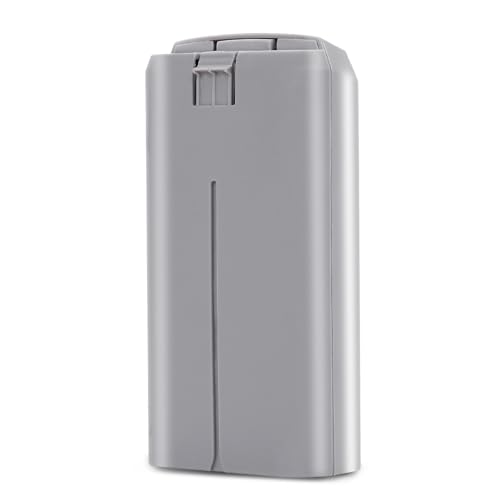
✅【Specification】: Made of high-efficient chip, the battery have well-preformed battery management to save power. The advanced BMS can extend the service life of the battery. Made of Grade AAA higher energy density with less weight battery, it can support flight of up to 31 minutes on a single charge. Voltage: 7.7V, Capacity: 2400mAh, Power: 18.48Wh. Made of fire-proof ABS material, the battery shell is strong & good heat dissipation which extend the product life time and safer.

QUALITY AND STABILITY: Crafted from sturdy ABS material, our remote control drone battery assures stable use and long-term performance, setting a standard in drone power sources.
How to Prevent Battery Swelling in the Future
Hey there! So, let’s chat about preventing battery swelling in your drone batteries. It might seem like a minor detail, but keeping your batteries healthy can really save you some headaches later on. First off, always use the charger that comes with your batteries. Those fast chargers might seem convenient, but they can get pretty hot, which is no good for battery health.
Also, keep an eye on the temperature of your batteries. If it’s a hot day and you’re out flying, check them often. High temperatures can trigger chemical reactions inside the battery that could lead to swelling. And don’t forget about discharging! If you let your lithium-ion batteries go too low on charge, it weakens them over time, so try to recharge them when they hit about 20% capacity.
When it comes to storage, treat your batteries right! Store them in a cool, dry place. It’s tempting to leave them fully charged, but try to avoid that for extended periods. For example, if you won’t be using them for a week or more, consider discharging them to around 50% before putting them away.
Finally, handle your batteries gently. It’s easy to bump them around during a flight, but try to land softly and keep them away from moisture and chemicals. This simple care can work wonders for extending their lifespan. In addition, using batteries with built-in overcharge protection can provide an extra layer of safety. So, with these tips, you’ll be well on your way to keeping those drone batteries in top shape! Ready to take your flying adventures to the next level?
Frequently Asked Questions
What to Do With a Swollen Drone Battery?
We need to stop using the swollen battery immediately. Let’s look for symptoms of swelling, follow safety precautions, prevent further damage, and prioritize proper storage tips. It’s essential to know when to replace the battery too.
How to Dispose of Old Drone Batteries?
When disposing of old drone batteries, we should explore battery recycling options, follow local disposal guidelines, and prioritize safe handling practices. Let’s increase our environmental impact awareness and utilize online disposal resources for battery chemistry education.
How to Dispose of a Puffed up Battery?
We shouldn’t toss a puffed-up battery in the trash—it’s quite the safety hazard! Let’s recognize battery damage, use safe handling techniques, and guarantee proper recycling—after all, we’ve got to prioritize battery safety tips and charging best practices.
Is It Safe to Fly With a Swollen Battery?
No, it isn’t safe to fly with a swollen battery. We must prioritize battery safety, inspect for warning signs, consider replacement options, and always follow emergency protocols to guarantee flight performance and prevent accidents.


