As an Amazon Associate, we earn from qualifying purchases. Some links on this site are affiliate links at no extra cost to you. Our recommendations are based on thorough research and editorial judgment.


Signs Your Drone Battery Needs Replacement

We often overlook signs our drone battery needs replacement, but being aware can enhance safety and performance. Watch for sudden drops in flight time, loss of power mid-flight, and battery swelling. Additionally, longer charging times and overheating during use are clear indicators of trouble. Regularly monitoring power levels and physical damage is essential; if we notice these signs, it’s time to reflect on a replacement. There’s more to learn about effective maintenance practices for our drone batteries ahead.
Key Takeaways
- Noticeable reduction in flight time, such as a drop from 30 minutes to 20 minutes, indicates potential battery failure.
- Swelling or bulging of the battery casing is a clear sign that the battery needs immediate replacement.
- Significant increase in charging time, like extending from one hour to two, suggests deteriorating battery health.
- Overheating during use or charging poses safety risks and indicates that the battery should be replaced.
- Sudden loss of power mid-flight can lead to alarming drops in altitude and is a serious warning sign.
Key Warning Signs of Drone Battery Failure
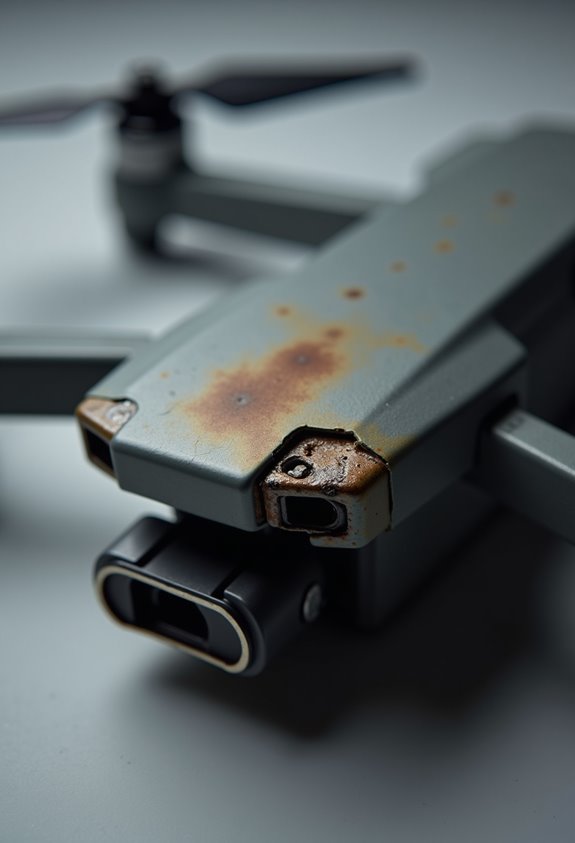
Hey there! If you’re using your drone often, it’s super important to keep an eye on the battery health. Trust me, paying attention to the signs of battery failure can save you a lot of headaches down the road.
For example, if you notice that your flight time suddenly drops from 30 minutes to around 20, that’s a big red flag! It usually means the battery’s capacity is fading. Similarly, if your drone starts losing power mid-flight—like it suddenly struggles to stay in the air—this suggests that the battery might not be as reliable as it used to be.
Another thing to watch out for is a swollen battery. If it looks bloated, it’s not just a cosmetic issue; it can be dangerous. Get it replaced immediately. And don’t ignore longer charging times either; if it takes much longer than usual to charge up, that’s another sign that your battery is on its last legs.
Lastly, keep an eye on temperature. If your battery heats up during use or charging, that’s a serious warning. It’s not just about your drone’s performance; overheating can lead to hazardous situations. So, if you notice any of these signs, it’s time to take action before something goes wrong!
Remember, most lithium polymer batteries offer a long lifespan with 500-600 charge cycles, but consistent monitoring is key to maintaining this durability.
Understanding these warning signs is key to keeping your drone safe and flying smoothly. Now that we’ve covered battery health, let’s explore how to extend the lifespan of your drone’s battery!
How to Identify Inconsistent Power Levels in Drone Batteries?
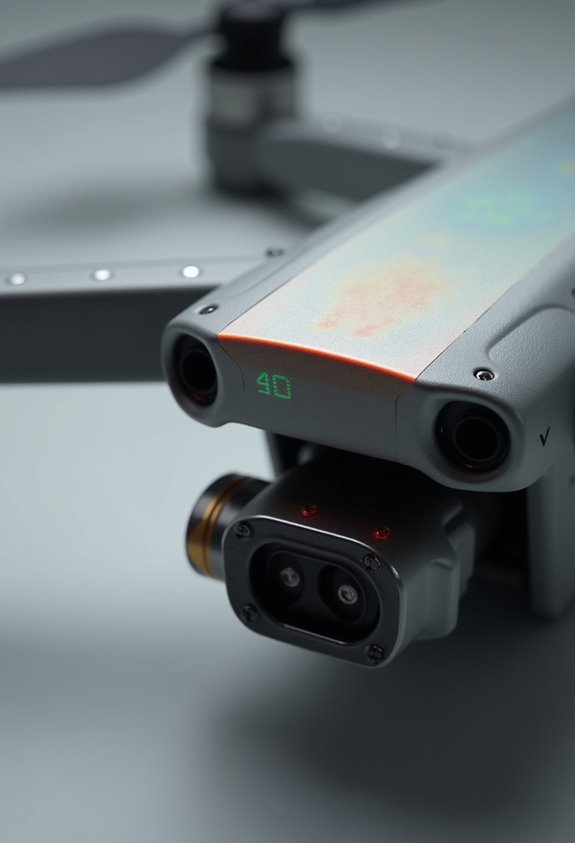
You know, spotting inconsistent power levels in our drone batteries can really save us from some nasty surprises. One of the most obvious signs is when you suddenly lose power during a flight. It can be pretty scary when your drone starts to drop out of the sky unexpectedly. And those battery indicators? If they’re jumping around erratically, that’s usually a red flag too, signaling issues with battery health or internal components.
It’s super important to keep up with regular maintenance and closely monitor your battery power levels. For instance, if you notice that your drone isn’t flying as long as it used to, it could mean the battery is on the decline. Conducting thorough pre-flight checks is also a great habit. Just taking a minute to ensure everything looks good can help you catch any inconsistencies before you take off, making your flights much safer.
And hey, being mindful of how your battery performs can really help it last longer. Keeping track of how many cycles it’s gone through or noticing any new sounds or smells can make a big difference in maintaining safe flying conditions. So, always keep an eye on those numbers; it’ll lead to a better experience on your next flight! Using a reliable battery protection circuit can further safeguard your drone’s battery health and prevent unexpected failures.
Spotting Swelling and Overheating in Batteries
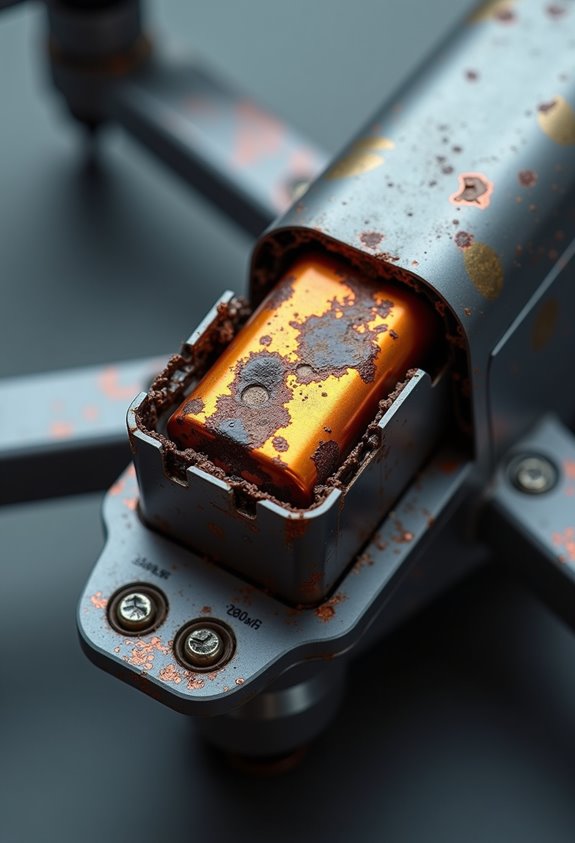
Hey! So, let’s chat about something that often goes unnoticed: battery swelling. This is a clear indication that something’s not right, and you definitely want to take a closer look if you see any bulging or distortion. Think of it like your battery trying to signal for help—it could mean serious problems are brewing.
Now, on top of that, keep an eye out for overheating. If your battery feels too hot—especially while it’s charging—that’s a major red flag. For instance, if you’re using your phone and it’s heating up noticeably, that could lead to permanent damage or even create a fire hazard. It’s pretty alarming, right?
One good practice is to check the temperature of your devices regularly, especially when they’re in use. If they feel warm, or if you spot any swelling, don’t ignore those signs—take action immediately. This isn’t just about protecting your gadgets; it’s also about keeping you safe.
Speaking of safety, let’s talk about some simple ways to maintain your batteries and extend their life! Proper storage techniques like keeping batteries in a cool, dry place are essential to avoid damage and improve battery lifespan.
The Impact of Longer Charging Times on Battery Health
Hey there! So, let’s talk about drone batteries for a minute because it’s super important to keep an eye on their health. One big red flag is if you’re noticing extended charging times. When your battery takes longer than usual to charge, it often means that it’s struggling to accept and hold onto that energy, which could be a sign that its life is winding down.
For instance, if your drone usually charges in about an hour but suddenly takes two hours instead, that’s definitely worth investigating. You might find that a battery is aging from too many charge cycles, which can slow down its performance. Regularly keeping tabs on your charging times can help you catch these issues early, ensuring your drone stays in top shape.
Plus, addressing these concerns promptly can prevent more serious problems down the line, like your battery swelling or overheating. By being attentive and proactive about battery health, you not only extend the life of your components but also enhance your flying experience overall. Now, let’s dive into some practical tips on how to care for your drone battery!
Choosing a charger with smart technology can also help optimize charging efficiency and protect your battery during the charging process.
Monitoring Temperature in Relation to Battery Health
Hey there! You might be wondering why it’s important to monitor the temperature of our drone batteries. Well, keeping an eye on battery temperature is crucial for the health of our LiPo batteries. If they get too hot, it could point to some serious issues, like battery failure or even fire risks. Ideally, the sweet spot for charging is between 50°F to 77°F (10°C to 25°C).
For example, if you’re out flying and notice your battery getting really warm, that’s a red flag that something isn’t quite right. It doesn’t just mean you’re having a bad day; it could signal that your battery’s capacity is waning and it might need to be replaced soon. Regularly checking for those overheating signals can help you catch problems before they turn into bigger issues. It is also important to consider the battery’s discharge rates when evaluating performance and safety to prevent overheating and potential damage.
Best Practices for Battery Maintenance and Replacement
Hey there! If you want to keep your drone batteries in top shape and ensure they’re reliable when you need them, let’s talk about some simple battery maintenance and replacement tips. First up, always check your batteries for any signs of damage like swelling or leaks. If you spot anything off, it’s time to replace that battery—better safe than sorry, right?
Next, make sure you’re following the manufacturer’s charging guidelines. For example, with LiPo batteries, you should charge them to a voltage of 4.2V and unplug them once they’re fully charged. This little step can make a big difference in how long your batteries last!
Also, remember to balance charge your batteries. This helps maintain their health so they deliver consistent performance every time you fly. Keep track of your charge cycles too—typically, after about 300 cycles, you’ll want to think about replacing the battery.
When storing your batteries, aim for a voltage of around 3.7-3.8V and keep them in a cool place, between 50°F and 77°F. These practices will definitely extend their lifespan. Additionally, choosing batteries with a long shelf life can help ensure they remain effective even if not used frequently.
Frequently Asked Questions
How to Tell if a Drone Battery Is Bad?
To tell if our drone battery’s bad, we should watch for battery swelling, experience charging issues, notice reduced flight time, and see voltage drops during flights—these signs often indicate it’s time for a replacement.
What Is the Lifespan of a Drone Battery?
When it comes to drone batteries, we’re all in the same boat! Typically, they last 2-3 years or about 300 charging cycles. Proper maintenance and awareness of environmental impact can extend their lifespan. Let’s keep them charged!
How to Check Drone Battery Health?
To check our drone battery health, we should employ battery maintenance tips like charge cycle management, voltage monitoring techniques, and capacity testing methods. This helps guarantee our batteries stay reliable for peak flight performance.
What Is the 1 to 1 Rule Drone?
Think of our drones as athletes; the 1 to 1 ratio means for every minute of flight time, we should allocate an equal time for battery maintenance. This guarantees ideal drone usage and impressive performance every time!