As an Amazon Associate, we earn from qualifying purchases. Some links on this site are affiliate links at no extra cost to you. Our recommendations are based on thorough research and editorial judgment.


Caring for and Maintaining Your Drone Camera Filters

Caring for and maintaining our drone camera filters is vital for getting clear and vibrant images. We need to regularly clean filters using essential tools like air blowers and microfiber cloths, while avoiding harsh materials that can scratch the surface. It’s best to clean them only when necessary to preserve filter coatings. Storing filters properly, away from moisture and direct sunlight, also protects their integrity. By following these practices, we can guarantee peak filter performance and image quality. Continue on to discover expert techniques for cleaning and maintaining your drone camera filters.
Key Takeaways
- Regularly clean filters with an air blower and microfiber cloth to maintain image clarity and prevent blurry photos.
- Store filters in protective cases and away from direct sunlight to prevent damage and maintain quality.
- Use gentle, non-abrasive cleaning materials and solutions to avoid scratching the filter’s surface.
- Perform routine inspections for dust and damage, addressing any issues promptly to enhance filter performance.
- Implement a consistent maintenance schedule while avoiding over-cleaning to preserve the filter’s integrity and coatings.
Why Cleaning Your Drone Camera Filters Is Vital for Image Clarity

Hey there! You know how exciting it is to capture those stunning aerial shots with your drone, right? Well, one thing we often overlook is the importance of our drone camera filters. Keeping these filters clean is super important for image clarity. If you let dust and smudges build up, you’ll end up with blurry photos or unwanted glare. Imagine planning a perfect sunset shot, only to find out the images are hazy because the filter wasn’t cleaned.
When we keep our filters spotless, we improve color accuracy and contrast, making our photos truly pop! For instance, if you’re photographing a vibrant landscape, dirty filters can dull those rich colors. Plus, dirt can block light, which might make your high-resolution shots look less sharp. To clean them, all you need is a gentle cleaning solution and a microfiber cloth—easy peasy! Maintaining clean filters can be the difference between an okay photo and one that’s frame-worthy. Regular maintenance using a microfiber cloth is crucial for ensuring longevity and optimal performance of your filters.
The Essential Tools You Need for Cleaning Drone Filters
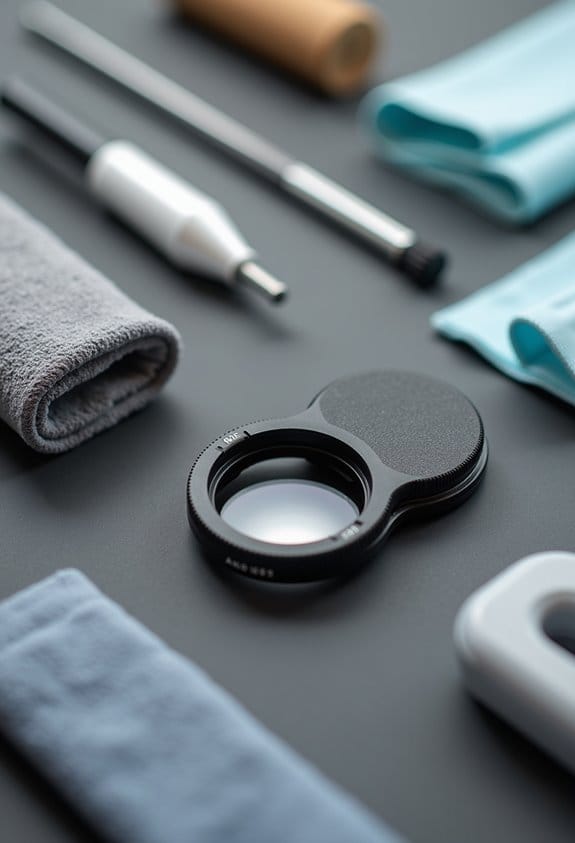
Hey there! If you’re looking to keep your drone camera filters sparkling clean, you’ll want to have the right cleaning tools on hand. It’s all about maintaining that clarity, especially when you’re out capturing stunning aerial shots. Let me share a few essentials that I always keep in my kit.
First up, an air blower is a must-have! This handy tool blows away dust and debris without touching the filter, which means you won’t risk scratching it. Next, grab a microfiber cloth—it’s perfect for wiping down the filters without damaging their coating. It picks up dirt and fingerprints like a pro.
When it’s time for something a bit more thorough, a lens cleaning solution comes in handy. Look for an alcohol-free, pH-balanced formula to ensure you’re protecting the filter’s surface. Oh, and don’t forget a lens pen! It has a brush on one end for dusting and a soft cleaning tip on the other for quick touch-ups—super convenient when you’re on the go.
Lastly, carry lens cleaning tissues with you. They’re designed specifically for camera lenses and are great for those moments when you need a quick and easy disposable option. Having these tools ready means you can keep shooting without worrying about smudges or dust ruining your shots. Just like choosing antennas with weather-resistant materials ensures longevity outdoors, using the right cleaning tools helps maintain your filter’s lifespan in demanding environments.
Recommended Products
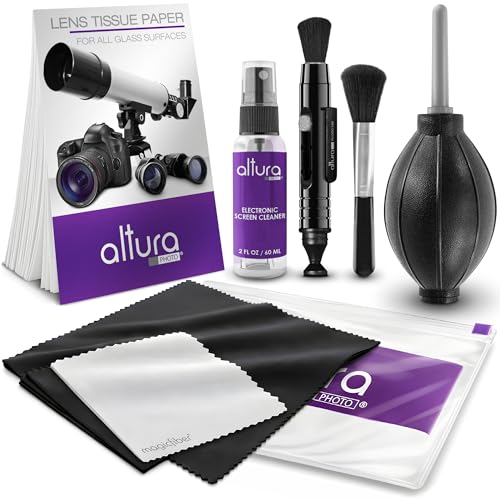
COMPLETE CAMERA CLEANING KIT: Our camera lens cleaning kit includes an alcohol & ammonia-free lens cleaner spray, cleaning brush, lens pen, air blower, MagicFiber microfiber cloths (3), and lens tissue paper wipes (50). Most competing lens cleaning kits cost more and still make you buy the spray and brush separately. Ours doesn't.

WHAT YOU CAN GET: 1 camera lens Cleaner 50ml + 1 air blower + 1 two in one Lens Cleaning Pen + 1 Retractable wool soft brush + 5 sensor cleaning swab + 25 lens cleaning Tissue Paper + 2 Microfiber Cleaning Cloth + 8 Cleaner Wipes + 1 storage box.

【PROFESSIONAL LENS CLEANING KIT】:Dslr cleaning kit includes Camera Dust Blower*1, Lens Cleaning Pen*1, Microfiber Lens Cleaning Cloths*2. Safe for all electronics, coated lenses and sensors.
Step-by-Step Methods for Cleaning UV, ND, and CPL Filters

Hey there! So, you know how important it is to keep our UV, ND, and CPL filters clean for those crystal-clear aerial shots? Any dirt or smudges on these filters can really mess with our image quality. To start, I always reach for my air blower first. Just gently puff it over the filter to blow away any loose dust or debris—this helps prevent scratches that could ruin our shots.
Next up, grab a microfiber cloth and put one or two drops of lens cleaning solution right on it, not directly on the filter. This way, you can gently wipe the filter in a side-to-side motion. Make sure to use light pressure, as too much can create streaks. For those stubborn spots that refuse to budge, a lens pen works wonders—it’s specifically designed to lift dirt without scratching the surface.
After that, I go back to the air blower for a final touch-up, clearing away any remaining particles. It’s a quick routine that keeps our filters in tip-top shape and ready for action. Remember, multi-layer coatings on UV filters also help repel water and oil, making them easier to clean and maintain. Now that your filters are clean, let’s chat about how to store them safely to keep that quality intact!
Recommended Products

Camera Lens Cleaning Kit (14 pieces), including, air blower, lens pen, cleaning brush, lint-free cloth, lens pen, storage bag, etc.

【Professional Lens Cleaning Kit】 Dslr cleaning kit includes :16mm APS-C Sensor Cleaning Swab*6 + Cotton Swab*6 + 36cm&15cm Microfiber Cleaning Cloth + Camera Air Blower + 60ml Cleaning Solution + 20ml Sensor Cleaning Solution + Cleaning Wipes*6 + Cleaning Brush + Lens Cleaning Pen + Storage Bag *1

LENS KIT INCLUDES: Pump atomizer with specially formulated Oakley cleaning solution, streak free lens cloth and ballistic storage case.
Avoiding Common Mistakes While Cleaning Filters
Hey there! If you’re into photography and aerial shots, you know how crucial it is to keep your filters in top shape. Taking care of your filters means you’ll capture those beautiful images without any obstructions. Trust me, avoiding common cleaning mistakes can really help!
First off, always start with a silicone air blower or a soft brush to clear away any dust. This little step is so important; it helps keep the glass scratch-free before you use any cleaning solutions. And whatever you do, stay away from harsh materials like paper towels or rough fabrics. They can easily scratch your filter and ruin the special coating on it.
Now, when it comes to cleaning solutions, don’t spray them directly on the filter. Instead, put a couple of drops on a microfiber cloth. This gives you way better control while cleaning and prevents excess moisture from getting trapped. You want to clean your filters only when they absolutely need it. Just a gentle touch is enough—think light pressure rather than rubbing hard.
Finally, make sure you store your filters in protective cases when you’re not using them. This way, they won’t be exposed to dust and contaminants that could mess them up. By keeping these tips in mind, you’ll ensure your filters stay primed for all your photography adventures! Speaking of which, let’s chat about how to keep your camera lenses equally spotless! ND filters with multi-layer coatings also require proper handling to maintain their durability and image quality.
Recommended Products

【6 Pack Snap On Drone Lens Accessories】 The kit for your drone gear includes 4 x Neutral Density filter (ND4/ND8/ND16/ND32), 1 x circular polarizing filter, and 1 x UV filter, compatible with DJI Mini 4K Drone with 4K UHD Camera for Adults/ Mini 2 / Mavic Mini / Mini SE / Mini 2SE and Fly More Combos, meeting various photography needs, from glare reduction to long exposure effects, as well as providing lens protection. Simple snap on design makes easy and swift filter attachment and dismounting
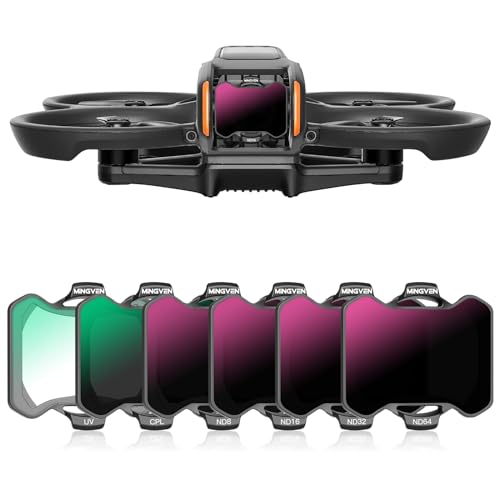
MINGVEN Avata 2 nd filters set includes 6-pack filters (UV, CPL, ND8, ND16, ND32, and ND64). Offer precise exposure adjustments for your drone photography needs. With light reduction ranging from 3 to 6 stops, ensure optimal shutter speeds in varying lighting conditions, ideal for daily photography light reduction needs.
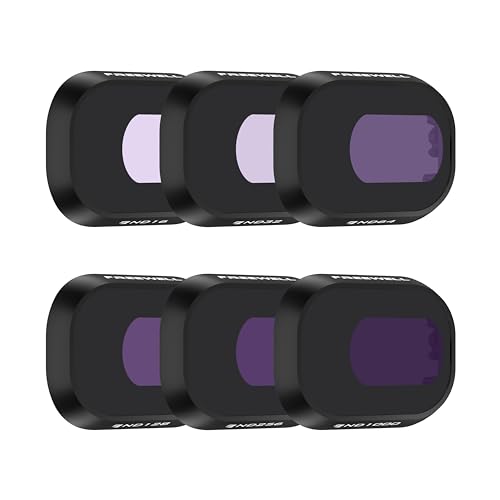
-This Kit has been specially crafted to be compatible with the Mini 4 Pro. It comprises six filters, including ND16-ND1000 filters, which facilitate the camera in determining the optimal exposure settings and prevent overexposure. It empowers your Mini 4 Pro camera to deliver optimal exposure settings, preventing overexposure and allowing you to capture breathtaking shots with exceptional clarity and accuracy.
When and How Often to Clean Your Drone Camera Filters?
Hey! You know, keeping an eye on our drone camera filters is super important if we want to capture those stunning aerial shots. Before every flight, take a moment to check for any dust or smudges on the lens. If you see anything, just give it a quick clean. If you’re flying in places with lots of dirt—think dusty roads or sandy beaches—you might want to clean your filters more often to avoid any gunk affecting your camera’s performance.
Also, if you’ve flown in misty conditions or noticed any sudden temperature changes, definitely give your filters some extra attention. Moisture can create smudges or even condensation, which isn’t ideal for clarity in your photos. I suggest investing in a simple cleaning kit that includes an air blower and a microfiber cloth. You’ll be amazed at how much of a difference it makes in keeping those filters clear.
In the end, a little care goes a long way in enhancing your aerial photography adventures. Now, let’s talk about some tips on choosing the right filters for your drone!
How to Store Your Drone Camera Filters the Right Way
Hey, so let’s chat about how to store your drone camera filters the right way. It’s super important if you want to keep them in top shape! Think of your filters as delicate instruments that need a little TLC. To really make sure they last, there are a few simple things you can do.
First off, always keep your filters in a dedicated protective case or pouch. This step is a must during transport—it’ll save them from scratches and dust that can gather up. And if you’re really concerned about safety, wrapping each filter in a microfiber cloth or a filter sleeve is a great idea too before sliding them in. For instance, I like to use those soft bags that come with some filters; they fit perfectly!
Next, check that your storage area is clean and dry. This means no moisture, which is a big no-no since it can lead to mold forming on your precious filters. Also, keep them out of direct sunlight and extreme temperatures. Just picture it: you wouldn’t leave your favorite sunglasses baking in the car, right? It’s the same with your filters—extreme conditions can mess with their coatings over time.
Lastly, don’t forget to give your stored filters a quick inspection every now and then. Look out for dust or damage, and give them a gentle clean if needed to keep them crystal clear. Using filters with multi-resistant coatings helps them maintain durability, but proper storage is still key. By keeping these practices in mind, your filters will remain in fantastic shape for all your aerial adventures! Plus, once you have a system down, it becomes second nature, and you won’t have to worry about their condition again! Want to know how to clean them effectively when the time comes? Let’s talk about that next!
Recommended Products

Package Includes: 3-Pocket Black Camera Lens Case × 2, Cleaning Cloth × 1

【10 Pockets large-capacity filter storage】The filter case provides a secure and convenient storage for up to 10 circular 82mm size filters.(Note:The thickness of each filter shall not exceed 6.5mm)

EASY OPENING:Zippered design for easy, quick access to up to 4 circular filters up to 95mm size.
Understanding How Environmental Conditions Affect Filter Maintenance
Hey there! You know, environmental conditions really affect how we take care of our drone camera filters. It’s something many people don’t think about, but being aware of these factors can save us from some headaches down the road. For example, if you’re flying your drone in a dusty area, you’re going to need to clean those filters way more often to keep your images looking sharp.
Temperature changes can also throw a wrench in our plans. When it gets cooler and then warms up, condensation can form on the filters, and that leads to those annoying water spots. To prevent damage, it’s a good idea to give the filters a quick clean whenever you notice that happening. And if you’re hitting the beach, watch out for that salty air! It can leave behind a corrosive residue, so making a habit of rinsing your filters with fresh water after flying in coastal areas is key.
In dry places, dust can cling to your gear because of static electricity, so always have your cleaning supplies nearby. By keeping a close eye on your filters and maintaining them regularly, you can extend their life and keep your shots crystal clear, no matter the environment. Selecting filters with multi-layer nano coatings can also help reduce the effects of dust and scratches. Now, let’s talk about how to properly clean those filters once you’re back on solid ground!
Best Practices for Maintaining the Quality of Your Drone Camera Filters
Hey there! If you’re like me, you want the best images from your drone, and that means keeping your drone camera filters in top shape. Regular maintenance is key, and it’s not as complicated as it sounds. Just think of it as giving your filters a little TLC!
First off, make it a habit to check your filters for any dirt or smudges before every flight. A simple air blower or a soft brush can work wonders by whisking away any loose dust. For those stubborn marks, grab a microfiber cloth and a lens cleaning solution. Just put a few drops on the cloth, not directly on the filter, and gently wipe in circular motions. It’s like polishing a prized possession—just be gentle!
To keep your filters safe from harm, store them in protective cases or soft bags. This helps shield them from dust and any accidental scratches. And remember, don’t overdo the cleaning! It’s best to clean them only when you really need to. Frequent cleaning can actually wear down the coatings, so just be sure to use non-abrasive materials when you do. Using biodegradable cleaners is also a good choice to minimize environmental impact while maintaining your filters.
Recommended Products

Compatible with 38mm lenses fits Phantom 3 advanced, professional and Phantom 4

Everything You Need, Nothing Missing: Unlike swabs-only kits that leave you buying each tool separately, the Altura Photo Camera Cleaning Kit includes everything in one hard-shell carrying case - 6 individually wrapped, vacuum-sealed, lint-free factory-sealed 24mm full-frame dry sensor swabs, Altura Photo All-Natural 2oz cleaning solution, air blower, lens cleaning pen, lens brush, 50 sheets of tissue lens paper, and MagicFiber microfiber cloths. One kit, every tool you need, always organized and protected.

Professional Camera Lens Cleaning Kit Includes: air blowing * 1, two in one cleaning pen * 1, brush * 1, beauty brush * 1, cleaning cloth * 5, lens paper * 20, cleaning rod * 4, detergent * 1, dry and wet bag *5, tweezers *1, storage box *1, cotton swab *5, instruction manual*1
Frequently Asked Questions
How to Keep Camera Lens Fungus Free?
To keep our camera lens fungus-free, we should use preventative measures like storing in low humidity and utilizing silica gel packets. Regular inspections and proper storage techniques will help us maintain our lenses effectively.
How to Clean a Drone Camera Lens?
Did you know that 70% of drone operators experience lens issues? To clean our drone camera lens, let’s use air blowers and microfiber cloths, safely store our equipment in protective cases, and maintain ideal clarity together.
Should You Use Alcohol Wipes on Camera Lenses?
No, we shouldn’t use alcohol wipes on camera lenses. For lens cleaning and filter maintenance, it’s safer to choose pH-balanced, alcohol-free solutions or microfiber cloths to avoid damaging our equipment and compromising image quality.
Can I Put Vaseline on My Camera Lens?
We shouldn’t put Vaseline on our camera lens. Its greasy effects can distort images and damage lens coatings. Instead, let’s choose proper lens protection solutions to keep our equipment in excellent condition and image quality pristine.