As an Amazon Associate, we earn from qualifying purchases. Some links on this site are affiliate links at no extra cost to you. Our recommendations are based on thorough research and editorial judgment.


How Polarizing Filters Improve Aerial Photography

Polarizing filters dramatically improve aerial photography by reducing glare, enhancing color saturation, and boosting overall clarity in our images. When we capture landscapes from above, these filters help diminish atmospheric haze, allowing us to see distant details more clearly. They also reveal hidden textures beneath water surfaces, making our photos even more vibrant. However, we must adjust exposure settings due to light loss, ensuring we achieve the best possible results. There’s much more we can explore on this topic.
Key Takeaways
- Polarizing filters enhance aerial photography by reducing atmospheric haze, resulting in clearer and sharper distant landscapes.
- They intensify color saturation, making skies and foliage appear more vibrant in aerial shots.
- Filters diminish reflections on water surfaces, revealing details below, which is particularly important in aerial images.
- A polarizing filter can control light hitting the lens, allowing photographers to adjust for bright conditions typical in aerial photography.
- Using high-quality filters minimizes color casts and reflections, ensuring the best image quality from aerial perspectives.
Understanding How Polarization Works in Aerial Photography

Hey there! Have you ever wondered how polarization really works in aerial photography? It’s a fascinating topic! Basically, light interacts with different surroundings in unique ways, and that’s where a polarizing filter becomes super handy. This filter cuts down on haze and glare, basically cleaning up the image you capture.
For example, when you’re taking photos over a lake, the filter helps reduce the reflections on the water’s surface. This way, you can see the beautiful underwater colors that would normally get lost in the glare. Plus, it makes the blues in the sky pop, making your landscape shots even more mesmerizing. Using a high-quality filter with multi-coated surfaces ensures minimal reflections and enhanced light transmission for better aerial shots.
Key Benefits of Using Polarizing Filters in Outdoor Photography

Hey there! So, if you’re looking to capture stunning aerial photographs, using polarizing filters is a must—it’s not just about the angle or how high you are! Polarizing filters can make your images really pop. For example, they enhance color saturation, which means those vivid blue skies and lush green leaves will stand out even more.
Another cool thing about these filters is that they cut down on atmospheric haze. This is super helpful when you’re trying to photograph far-off landscapes. With clearer images, you can really capture the depth and beauty of the scenery. Plus, if you’re shooting over water, polarizing filters can reduce reflections, letting you see the intriguing textures beneath the surface.
They even help control the amount of light hitting your lens by around 1.5 to 2 stops. This means if you’re in tricky lighting situations—like when the sun is setting or rising—you can still get a great shot. It’s all about making your aerial photography clearer and more vibrant. And speaking of lighting, let’s talk about how time of day influences your photos! High-quality filters made from Schott B270 glass ensure exceptional clarity and minimal color distortion for your aerial shots.
Recommended Products

【Color & Contrast Enhancement】CPL filter can remove the non-metallic surface reflection, such as glass, and water, enhancing the color and contrast especially used in white cloud and blue sky photography.
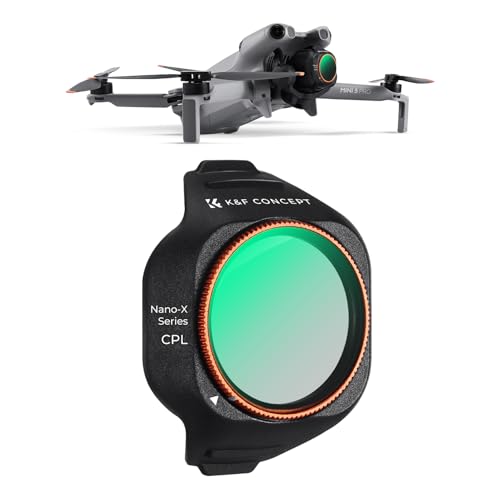
[Color & Contrast Enhancement]:CPL filter can remove the non-metallic surface reflection, such as glass, leaf, and water, enhancing the color and contrast especially used in white cloud and blue sky photography.

【3 Pack Drone Filter Set】 Compatible with DJI Mini 4K, Mini 2 SE, Mini SE, Mini 2, Mavic Mini and Fly More Combos, this circular polarizing neutral density drone filter set elevates your aerial photography and videography to a professional level. Each lens filter quickly snaps onto the camera and locks into place with a hook for secure attachment during flights
Best Practices for Using Polarizing Filters in Aerial Photography

Hey there! If you’re looking to take your aerial photography to the next level, using polarizing filters is a great way to do just that. Trust me, understanding how to use these filters can really enhance your shots, especially when you’re out capturing landscapes.
First off, aim to position your polarizing filter about 90 degrees from the sun. This angle really amps up the colors in your photos and cuts down on glare on surfaces like water. For instance, if you’re shooting over a lake at sunrise, you’ll notice those vibrant colors reflecting beautifully and the surface looking almost glassy. Just keep in mind that when you use a polarizing filter, you’ll lose about 1.5 to 2 stops of light, so you’ll need to tweak your exposure settings to make sure everything is perfectly lit.
I always recommend going for high-quality circular polarizing filters. They help avoid color casts or flare, giving you much clearer images. And they’re fantastic when you’re photographing scenes with lots of non-metallic surfaces—like rolling green hills or colorful wildflowers—especially with a wide-angle lens. Just a quick tip: if the sky is overcast, consider removing the filter, because it can actually darken the scene unnecessarily.
Using polarizing filters opens up a world of possibilities for capturing rich, dynamic shots. Additionally, many filter sets offer multi-layer coatings that reduce flaring and keep your filters clean, enhancing image quality. Once you get comfortable with these techniques, you’ll find yourself having even more fun experimenting with other tools and methods for breathtaking aerial photography!
Recommended Products

Vivid Images: Eliminate unwanted reflections from non-metallic surfaces like water and glass, and boost color and contrast for captivating photos. Capture stunning images with reduced reflections and enhanced colors.

Circular polarizer--one of the most popular special-effect filters

Enhance the vibrancy of colors and minimize glare in your aerial photography with the exceptional Freewell Circular Polarizer (CPL) Filters. Specially designed for aerial applications, these innovative filters elevate your photography by intensifying color saturation, improving contrast, and eliminating distracting reflections from shiny surfaces.
Overcoming Challenges With Polarizing Filters in Aerial Photography
Hey there! So, let’s chat about using polarizing filters in aerial photography. They’re fantastic for cutting down glare and really making colors pop, but they come with a few challenges we need to keep in mind. For example, while these filters can make your images look sharper, they can also block out quite a bit of light — around 2 stops. This means you’ll have to be a bit strategic with your camera settings, like adjusting your shutter speed or aperture to get that perfect exposure.
Now, consider when you’re flying high and shooting landscapes far away. A polarizing filter can help reduce that annoying atmospheric haze that often blurs distant details. Just remember, you might need to tweak how much light is coming into your lens, especially if conditions change quickly as you ascend or descend. Balancing these settings while reaping the benefits of the polarizing filter will help you capture stunning, vibrant images no matter where you’re flying.
Speaking of capturing stunning images, let’s explore some techniques for dealing with changing light conditions in aerial photography! Using drones equipped with advanced thermal imaging technology can further enhance your ability to monitor lighting and environmental conditions from above.
Recommended Products

Linear Polarizer:Widely used in photography industry, kinds of LCD screens

【Color & Contrast Enhancement】CPL filter can remove the non-metallic surface reflection, such as glass, and water, enhancing the color and contrast especially used in white cloud and blue sky photography.

Dedicated for DJI AIR 3S: This PL filter from K&F Concept is designed precisely compatible to be used with Air 3S dual camera system, with locking tab design, that perfectly matches the base of the lens camera, it's easy to install and detach.
Tips for Experiencing Improved Aerial Photography With Polarizers
Hey! So, let’s chat about how you can really elevate your aerial photography using polarizing filters. These handy tools can make a huge difference in how your images turn out, turning that ordinary shot into something extraordinary.
First off, polarizing filters are fantastic for cutting through atmospheric haze. When you’re shooting from a height, this means your photos have clearer details, so you can see more of the landscape beneath you. For instance, if you’re capturing a breathtaking mountain range, you’ll notice that the colors and contrasts become much sharper, making your shots pop.
Plus, these filters can intensify colors. Think of a bright blue sky or vibrant green forests—they just look more alive! You’ll be surprised at how much extra ‘pop’ you get by just turning that filter a bit. And when it comes to reflections, if you’re capturing a serene lake, using a polarizer can help you see what’s beneath the surface, showing off those hidden details like rocks or fish.
Don’t forget to tweak your exposure, though! Polarizers can cut down the light entering your lens by about 1.5 to 2 stops, which means you might need to adjust your settings, especially with a DSLR camera. This small adjustment helps ensure your photos stay well-lit and engaging.
Additionally, pairing your polarizing filter with a high-quality multi-layer coating can greatly enhance light transmission and reduce reflections, resulting in even clearer aerial shots.
Recommended Products

[Dedicated for Mini 5 Pro]: This ND & CPL Filter kit from K&F CONCEPT is speicially designed for DJI Mini 5 Pro, adopt snap-fit design for gap-free installation, lightweight to ensure gimbal safe, it's made of HD optical glass that ensure crystal clear imaging during aerial shooting, it's a game-changer for getting clean shots.

Dedicated for DJI Flip: This PL filter from K&F Concept is designed precisely compatible to be used with DJI Flip 4K UHD camera system, with snap on locking design, that perfectly matches the base of the lens camera, it's easy to install and detach.
Frequently Asked Questions
How Does Using a Polarizing Filter Help in Photography?
Using a polarizing filter helps us achieve enhanced color and contrast improvement, glare reduction, and image clarity. It elevates saturated skies, controls reflections in water photography, reveals landscape detail, and provides lens protection during shoots.
Why Is a Polarized Filter Helpful to a Photographer?
We see a canvas transformed when using a polarized filter; it enhances contrast, controls reflections, and boosts sky saturation. This enriches color, reduces glare, improves clarity, and streamlines our workflow for stunning compositions in varied lighting conditions.
Do Polarizing Filters Reduce Haze?
Yes, polarizing filters do reduce haze, enhancing atmospheric clarity and image sharpness. Their effectiveness lies in glare suppression and light refraction, which boosts color saturation and sky contrast, greatly improving outdoor photography and landscape enhancement.
When Not to Use a Polarizing Filter?
We shouldn’t use a polarizer in low light; it drains our light, distorts shadows, and mutes sky clarity. Remember, it complicates water reflections and aerial perspectives—sometimes, less is more for image sharpness and landscape choices!