As an Amazon Associate, we earn from qualifying purchases. Some links on this site are affiliate links at no extra cost to you. Our recommendations are based on thorough research and editorial judgment.

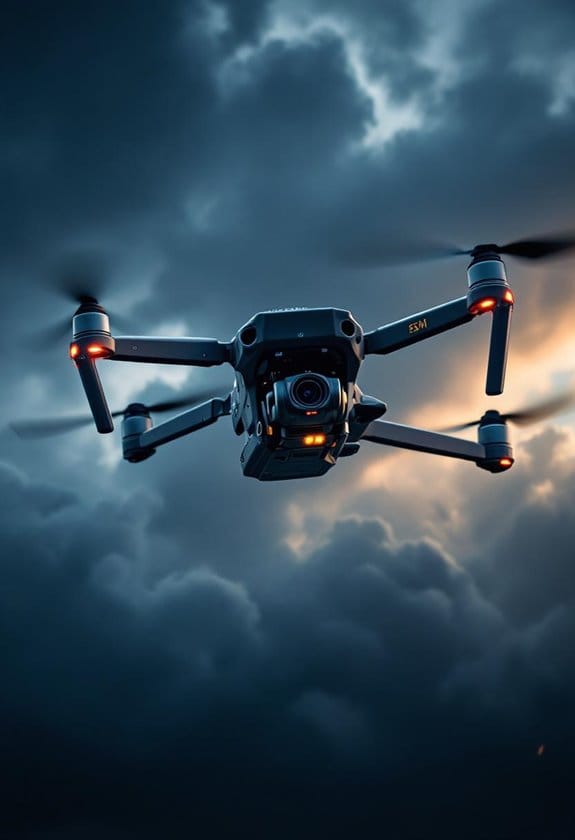
How Weather Conditions Affect Drone Flight Performance

Weather greatly impacts our drone flights in various ways. Temperature extremes can reduce battery life, while high humidity can cause blurriness in visuals. Strong winds may destabilize our drones, leading to challenging control and increased battery drain. Rain poses risks to electronics and can fog camera lenses, compromising image quality. By understanding these factors and using tools like real-time weather data, we can enhance flight safety and performance. Let’s explore more about effectively managing drone operations amidst changing weather conditions.
Key Takeaways
- Optimal drone flight occurs within a temperature range of 0 to 40 degrees Celsius, as extreme temperatures affect battery efficiency and motor performance.
- High humidity levels above 70% can cause visibility issues and affect drone control due to condensation on lenses.
- Rain can damage electronics, compromise camera quality, and lead to loss of control, making it unsafe for drone operation.
- Strong winds exceeding 15 mph disrupt flight stability, increase battery drain, and can complicate navigation and control.
- Adhering to FAA regulations, drones must operate with a minimum visibility of 3 statute miles, especially during adverse weather conditions.
The Crucial Role of Weather in Drone Flight Performance
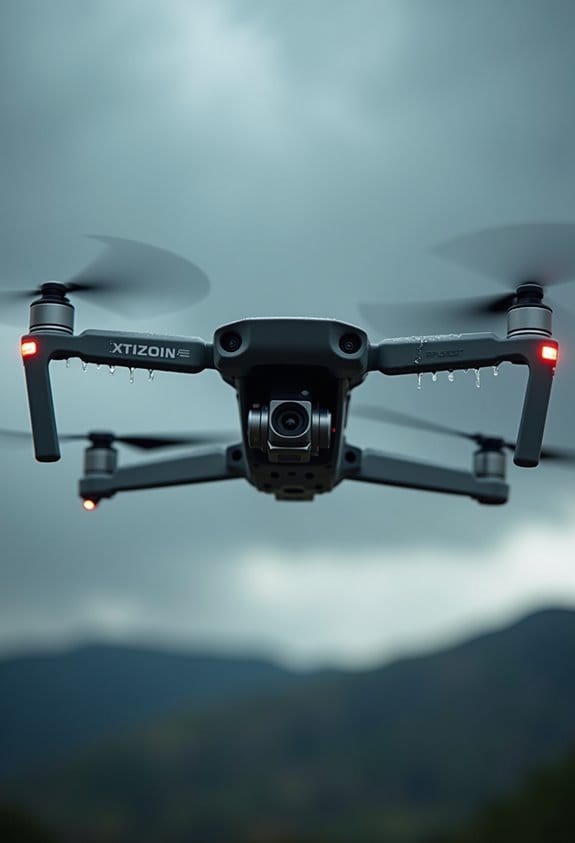
Hey there! If you’re thinking about flying a drone, you’ve got to pay attention to the weather—it really can make or break your flight experience. Let’s face it, your drone’s performance and safety depend heavily on conditions like temperature, humidity, and visibility.
For starters, the best temperature range for flying drones is usually between 0 to 40 degrees Celsius. If it gets too cold, your drone’s battery might not work as efficiently, which could cut your flight time short. On the flip side, scorching heat can cause the drone to overheat. So, before you take off, check the temperature!
Humidity is another big factor. When the humidity is over 70%, it can cause condensation on the drone’s lens, leading to blurry photos or videos. To keep things steady, aim for a humidity level below 30%. If you’re filming outdoors, it’s worth checking the weather app for those specific numbers.
Then there’s precipitation. Most drones aren’t built to handle rain, so even a light drizzle can lead to serious electronic damage. Imagine setting up for a stunning aerial shot only to have your drone short-circuit in a sudden downpour—definitely not ideal!
Lastly, visibility matters lots. Fog and heavy rain can mess with your ability to navigate safely. Make sure you take a good look at the visibility conditions before launching into the sky.
To protect your drone and improve flight quality, consider using models equipped with 3-axis brushless gimbals that help stabilize the camera even in less than ideal conditions.
The Effects of Wind on Drone Stability and Control
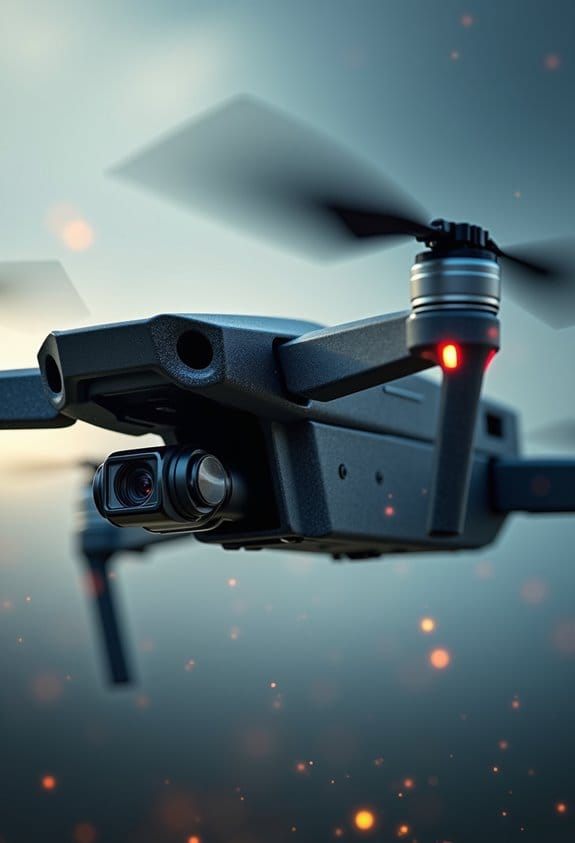
Hey there! You know, flying a drone can be such a blast, but we can’t ignore how wind can really shake things up in terms of stability and control. Picture this: you’re trying to pilot your drone on a beautiful day, and suddenly a gust of wind hits. Your drone starts drifting off course, making it tougher to navigate. It’s not just about flying straight; strong winds can also drain your battery faster, cutting your flight time shorter than you planned.
When you’re mapping out a drone mission, it’s super important to check the wind speed and direction. For instance, if the weather report says winds are over 15 mph, it might be better to put your plans on hold. And don’t forget to stick to the manufacturer’s recommended wind limits—going beyond that can really put your drone at risk and mess up your data collection too. Modern drones often include 360 obstacle sensing technology, which can help maintain stability and avoid collisions even in challenging windy conditions.
How Rain and Moisture Affect Drone Performance
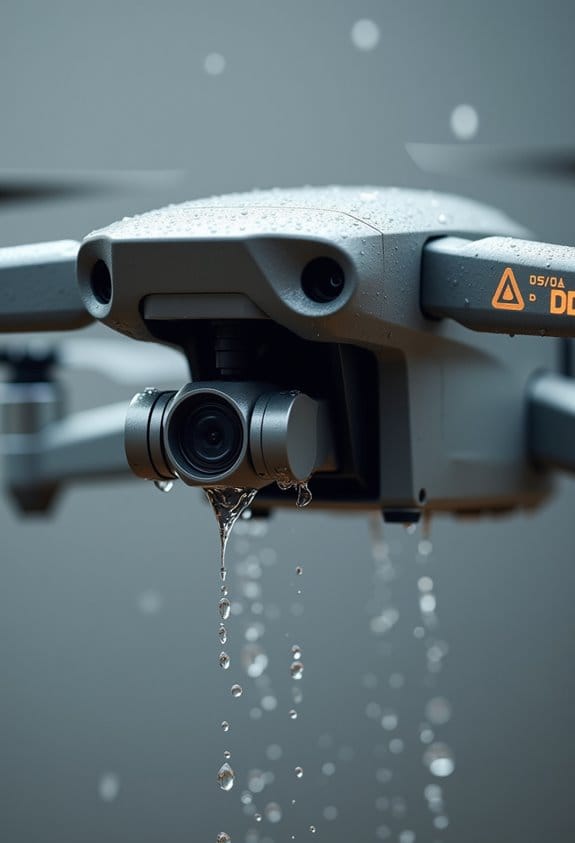
Hey there! Let’s chat about how rain and moisture can seriously mess with drone performance. You might not realize it, but even a light drizzle can be a big deal. For starters, rain can harm the delicate electronics that help your drone fly and navigate. If those components get wet, you could end up losing control mid-flight, which is definitely not ideal!
Moisture isn’t just about getting your drone wet, though. It can also make your camera lenses foggy or blurry, which ruins the sharp images you want for aerial surveys. Imagine planning a great photo shoot only to find your shots look hazy because of the moisture! Plus, if it’s really humid, your drone might struggle to stay stable, impacting both its flight path and the accuracy of the data it collects.
And hey, while it might be tempting to fly in light rain, heavy rain is a no-go. Visibility drops, making navigation tricky. Most drones out there aren’t designed to handle wet conditions, so if yours takes on water, the damage might not be covered by warranty. It’s a good idea to keep an eye on the weather before you launch. Using waterproof cases can help protect your drone and gear when unexpected moisture occurs.
Now, let’s move on to how wind can also play a role in your drone’s performance!
The Impact of Extreme Temperatures on Drone Battery Life
Hey there! So, let’s chat about how extreme temperatures can really mess with your drone’s battery life. It’s pretty important to wrap your head around this because both scorching heat and freezing cold have serious effects on performance. For instance, when the temperature rises too high, batteries can overheat. This may lead to something called thermal throttling, which ultimately means your battery life takes a hit.
On the other hand, if it’s chilly outside, your lithium polymer batteries won’t work as efficiently. You might notice shorter flight times or even risk your drone shutting down mid-air. Imagine it flying beautifully, and then—boom! It just stops because it got too cold. Plus, in colder weather, the drone’s motors have to work harder, which drains the battery faster.
To keep your drone running smoothly, aim to operate it in temperatures between 0 to 40 degrees Celsius. Avoid extreme conditions whenever you can. And here’s something to remember: if there’s a lot of humidity along with those temperature extremes, your drone’s efficiency can suffer even more. So, managing the temperature is crucial if you want successful flights. Using drones with efficient battery management systems can help optimize energy use under varying conditions. Let’s move on and explore some tips for keeping your drone in tip-top shape!
How Humidity Affects Drone Stability and Image Quality
Hey there! Let’s chat about how humidity affects drone stability and image quality—it’s more crucial than you might think. When humidity levels rise above 70%, drones can start to behave a bit wobbly, making it tough to control them smoothly. Picture this: you’re trying to capture a stunning sunset, but your drone is swaying around, ruining that perfect shot.
And it doesn’t stop there! High moisture can lead to condensation on your camera lens, which results in foggy images. Imagine trying to take a crisp photo only to find everything looks blurry—you definitely don’t want that when you’re capturing important aerial data! Ideally, you’ll want to fly your drone when humidity is between 30% and 70% for the best results.
Also keep in mind that high humidity can weigh down your drone and impact battery performance, which might cut your flight time short—nobody wants to land early when you’re in the middle of an awesome shoot. So, it’s a good habit to check the humidity before you head out. Keeping an eye on these conditions can save you from potential headaches and ensure you get those sharp aerial captures you’re after! Additionally, using drones with dual battery setups can help mitigate short flight times caused by environmental factors like humidity.
The Impact of Fog and Cloud Cover on Drone Operations
Hey there! You know, fog and low cloud cover can really throw a wrench into drone operations. When those conditions roll in, visibility drops significantly, making it tough for drone operators to see where they’re flying. Imagine trying to navigate with your eyes half-closed—that’s what it feels like for us up in the air!
This low visibility can lead to some tricky situations, especially since there are regulations that require at least 3 statute miles of visibility. If you’re flying in fog, it’s super easy to lose track of those rules. Plus, fog can hide important ground features, which is a big deal when we’re trying to do aerial surveying or mapping. For example, if we’re capturing data for a construction site, we need to clearly see those site boundaries and existing structures to get accurate results.
And it’s not just visibility that’s affected; the cloudy skies can mess with our camera quality too. You might end up with washed-out images that are fuzzy and hard to interpret. This lack of detail can lead to missing important data points that we’d usually catch. So, when we’re flying in low visibility, we’re not just putting safety at risk—we’re also jeopardizing the effectiveness of our operations. It’s a tough spot to be in, but understanding these challenges better can help us plan for better flying days ahead! Using specialized filters like multi-resistant coatings on camera lenses can help improve image clarity in such conditions.
How to Effectively Fly Drones in Different Weather Conditions
Flying drones in different weather conditions can be a bit tricky, but once you get the hang of it, you’ll be able to maximize your flight performance and collect high-quality data. It’s all about understanding how different weather factors affect your drone so you can adjust your flying strategy accordingly.
First off, let’s talk about battery life. Did you know that the temperature can have a big impact on how long your drone stays airborne? Ideal flying temperatures are between 0 and 40 degrees Celsius. If it’s really hot outside, your battery might drain faster as it struggles to keep cool. For example, if you’re flying on a hot summer day, it’s a good idea to keep an eye on your battery levels and maybe limit your flight time to avoid unexpected landings.
Next up is humidity. When the humidity levels are over 70%, it can create condensation on your camera lens, which is definitely not what you want if you’re trying to capture clear images. So, if you notice it’s a muggy day, you might want to rethink your flight route or wait for a better time.
Wind speed is another important factor. Strong winds can seriously affect your drone’s stability and might even lead to crashes. If the wind is gusting beyond what your drone can handle — which you can usually find in the user manual — it’s best to stay grounded.
Visibility is critical too. Regulations state that you should have at least 3 statute miles of visibility to fly safely. If you can’t see where you’re going, it’s not worth the risk.
Lastly, let’s not forget about rain. It’s tempting to fly just before or after a storm, but wet conditions can damage your drone’s electronics and mess with the quality of your data. If there’s a rain forecast, it’s usually best to keep your drone indoors.
It’s also important to use a reliable power supply to ensure your drone’s electronics receive steady and safe voltage during flight for optimal performance and protection.
Weather Monitoring Tools for Drone Operators
When flying a drone, it’s super important to consider how different weather factors impact performance, right? That’s where the right weather monitoring tools come into play for smart flight planning. By using reliable weather data, we can keep our flights safe even when temperatures soar or conditions change unexpectedly.
One essential tool is real-time radar and satellite imagery. These two can provide a snapshot of what’s happening in the sky right now and what we can expect soon. For instance, if a storm is brewing nearby, you’ll want to know about it well in advance so you can avoid any turbulent flights.
Another handy resource is weather aggregator apps. These apps pull together information on wind speed, humidity, temperature, and precipitation, making it easier to make informed decisions before you take off. For example, if you’re planning a shoot in a windy area, knowing the wind speeds can help you decide whether it’s safe to fly.
Also, don’t forget about onboard sensors. Drones equipped with sensors can send back local weather data while flying, which really boosts your awareness of changing conditions. Plus, using numerical weather prediction models can help you foresee how the weather might influence your flight. This way, instead of flying blind, you can plan your trips much more safely and efficiently.
In addition, using drones with stability features can help maintain smooth flight performance even when weather conditions fluctuate.
Tips for Managing Drone Flights During Weather-Related Interruptions
When it comes to flying drones, dealing with weather interruptions can be a real challenge. So, let’s talk about how we can manage those tricky situations. First off, it’s super important to keep an eye on real-time wind conditions. Strong winds can make a drone hard to control, and sticking within the manufacturer’s recommended wind speed limits can help you avoid crashes. For instance, if you notice the wind is gusting above what’s safe, it’s probably best to hold off on your flight.
Next, always check the weather forecast before you fly. Rain or high humidity can really mess with your drone’s electronics—nobody wants a drone that’s out of commission because of a little drizzle! A good rule of thumb is to aim for temperatures between 0 and 40 degrees Celsius for the best battery performance. If the weather looks iffy, don’t hesitate to pause your flight. Taking a breather could give you a clearer view of things and lead to more accurate data later on.
Additionally, using weather-resistant accessories can help protect your drone during variable conditions.
In short, by staying vigilant about the weather and making adjustments as needed, we can keep our drone flights safe and successful. This not only protects our equipment but also ensures we’re gathering the best possible data during our missions.
Regulatory Guidelines on Weather Conditions for Drone Flights
So, let’s talk about the regulatory guidelines on weather conditions for drone flights. It’s really important to understand these rules if you want to fly safely. You see, organizations like the FAA have some key regulations that help keep everything in check.
For example, your drone has to fly with at least 3 statute miles of visibility. That helps you see where you’re going and avoid obstacles. Another rule is that you must stay at least 500 feet below any cloud cover. This isn’t just for fun; it makes it easier to navigate and stay safe up there. Plus, it’s wise to check your drone’s manual for its maximum wind speed. Flying in strong winds can cause you to lose control, and that’s the last thing you want.
Now, if the weather’s looking rough, like if it’s pouring rain or there’s lightning in the area, it’s better to just postpone your flight. Safety should always come first! Just think of it this way: taking a little time to check the weather upfront can save you a lot of hassle later.
Additionally, choosing a drone case with an IP67 waterproof rating is essential to protect your drone in adverse weather conditions.
With those guidelines in mind, you’ll be much better prepared for upcoming flights. Next, let’s explore how to prepare for these conditions and what tools can help you stay informed!
Frequently Asked Questions
What Weather Affects Drone Flight?
When we’re flying drones, we should consider wind speed, precipitation levels, temperature extremes, humidity impact, and visibility issues. These factors can greatly affect our drones’ performance and the quality of our aerial missions.
What Weather Conditions Affect the Unmanned Aircraft?
We wouldn’t think rainy conditions, windy environments, foggy skies, snow impact, or temperature extremes could affect our unmanned aircraft, but they truly do. Let’s explore how these elements shape our drone’s performance together.
Can Drones Fly in All Weather Conditions?
No, drones can’t fly in all weather conditions. We prioritize drone safety by adhering to flight restrictions, monitoring weather, and ensuring thorough pilot training aligns with operational guidelines to maintain safe and effective flights.
Do Drones Fly Better in Cold or Hot Weather?
In a tug-of-war between warmth and chill, we find drones thrive in cold weather, where battery life endures. Hot weather wrestles with performance efficiency, compromising flight stability. We must navigate conditions to protect our aerial companions.