As an Amazon Associate, we earn from qualifying purchases. Some links on this site are affiliate links at no extra cost to you. Our recommendations are based on thorough research and editorial judgment.

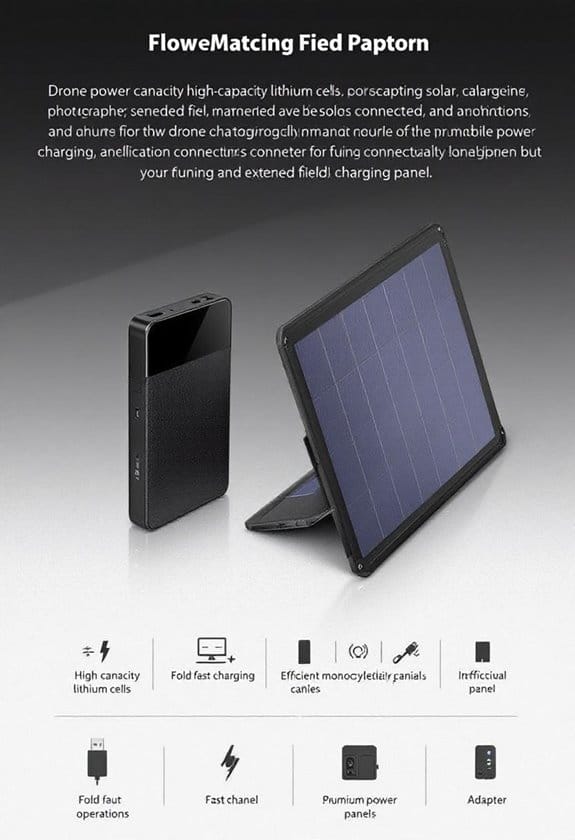
Mobile Charging Solutions for Extended Drone Photography Sessions

For extended drone photography sessions, we need reliable mobile charging solutions to keep our gear powered. Portable power stations with at least 300Wh capacity can recharge multiple batteries simultaneously, quickly charging drones and cameras. Features like solar panel compatibility and lightweight designs enhance outdoor usability. It’s crucial to position the power station effectively, monitor battery levels, and plan for total wattage needs. By understanding these tools and tips, we can elevate our drone photography to new heights.
Key Takeaways
- Use portable power stations with at least 300Wh capacity to recharge multiple drones, cameras, and laptops during extended sessions.
- Opt for solar panel compatibility to recharge power stations off-grid, extending shooting times in remote locations.
- Choose power stations with fast-charging options and at least 100W output to minimize downtime between drone battery recharges.
- Monitor battery percentage actively to avoid sudden power loss, ensuring a reliable shooting experience.
- Consider the weight of the power station; units should ideally be under 30 lbs for easy transport during outdoor shoots.
The Importance of Mobile Power for Drone Photography
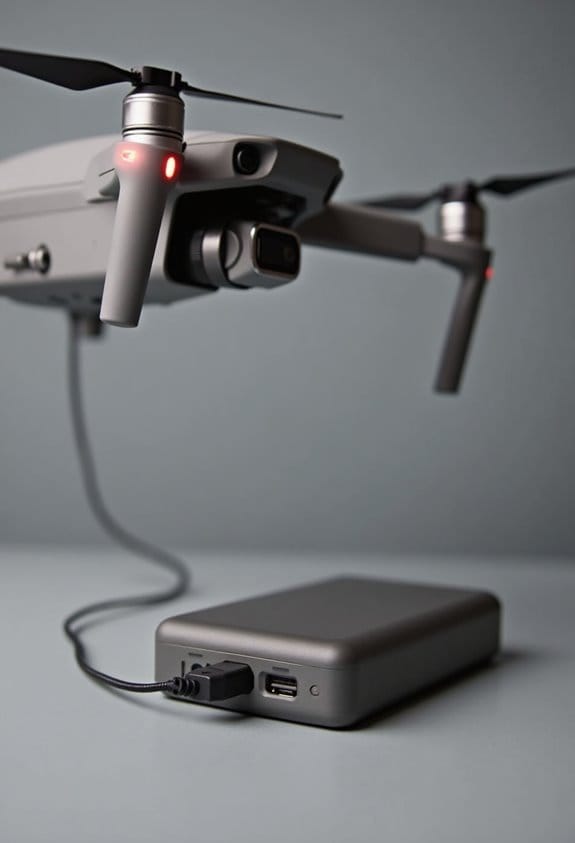
When we chat about drone photography, one thing that often comes up is how essential mobile power solutions are. Drones typically have a flight time of only 20 to 30 minutes, which means you’ll want a solid way to recharge them during your shoot. That’s where portable power stations come into play. I usually recommend getting one with at least a 300Wh capacity, as it allows you to charge your drone multiple times, so you can keep capturing those stunning images without interruption.
Another great thing is that these high-capacity power banks can charge your drone, camera, and even your laptop all at once. Talk about staying organized! For instance, if you’re out in a remote location where there’s no power outlet, bringing along solar panels can be a lifesaver. They work seamlessly with your portable station and can keep everything powered up throughout a long day of shooting.
Reliable off-grid power is a real asset for anyone from seasoned professionals to enthusiasts just getting started. It not only boosts creativity but also encourages exploration in those hard-to-reach spots. So, if you’re planning your next adventure, make sure to factor in your power needs—it’s a crucial step toward capturing your best shots! Choosing a unit with built-in Battery Management Systems can enhance safety and device protection during your shoot.
Essential Features of Portable Power Stations for Uninterrupted Drone Operations
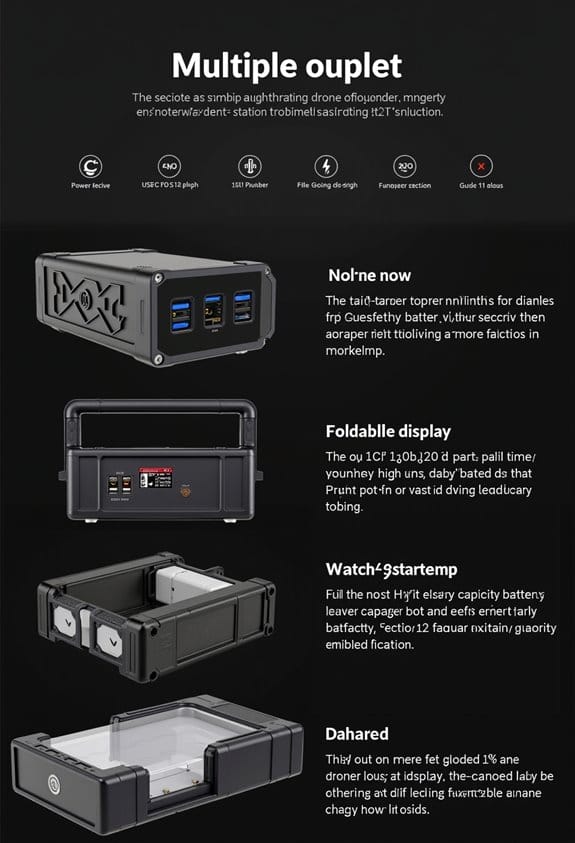
If you want to keep your drone flying without interruption, picking the right portable power station is crucial. Aim for one with a battery capacity of at least 300Wh—this will give you enough juice to recharge your drone batteries efficiently. For instance, if you’re out in the field all day, having a fast-charging option, like those with over 200W AC outlets, can significantly reduce the time your drone is grounded.
Don’t forget about the convenience of multiple charging options. Look for models with USB-C ports and extra outputs so you can charge your remote or even your smartphone all at once. If you plan on spending extended time outdoors, consider getting a power station that supports solar charging. This way, you can stay eco-friendly and tap into the sun’s energy to keep everything running smoothly.
Lastly, portability is key—opt for a unit that weighs under 30 lbs. This weight makes it easy to carry on hikes or during photography excursions without being a burden. With these features in mind, you’ll be all set to power your adventures while capturing those breathtaking aerial shots! Additionally, incorporating a device with built-in safety protections ensures safe and reliable operation during extended use.
Choosing the Right Portable Power Station for Your Needs
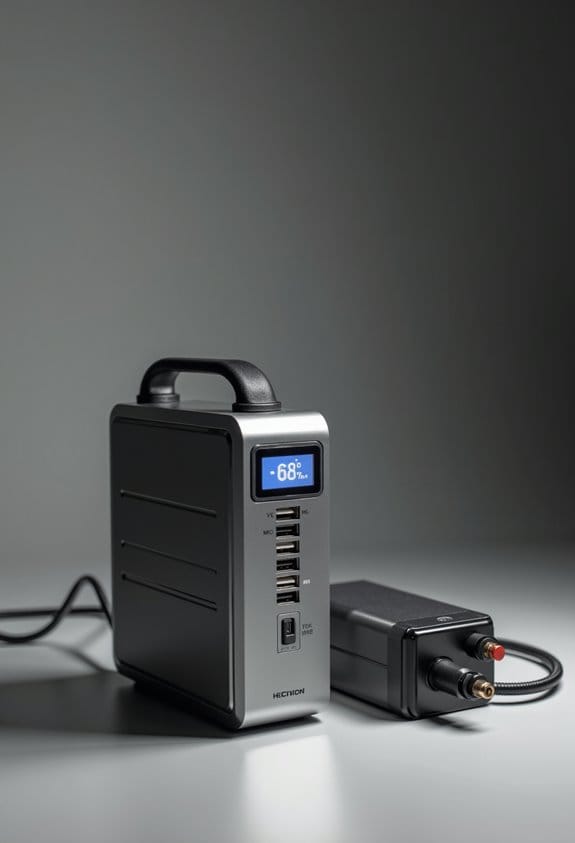
Hey there! So, if you’re looking to pick the right portable power station for your drone adventures, let’s chat about a few key things to consider. First off, go for a unit with at least a 300Wh battery capacity. This way, you can recharge multiple drone batteries without worrying about running out of juice.
Next, check for an AC outlet that delivers at least 200W. This is super handy if you need to quickly charge high-power devices, like a tablet or a camera. And make sure it has a variety of output options—USB-A, USB-C, and DC ports—so you can keep all your gadgets powered up, too.
Another important factor is the weight; you’ll want something lightweight, ideally under 30 lbs, to make it easy to carry on your outdoor trips. Lastly, look for solar charging compatibility, which is awesome for those times when you’re out in the wild for an extended photography session. Just imagine capturing that perfect sunset while keeping everything charged without a power outlet in sight!
Also, when storing and charging your drone batteries with your portable power station, it’s vital to use fireproof lipo safe bags to enhance safety and prevent potential hazards.
Integrate Power Stations Into Your Drone Workflow
Have you ever thought about how having a portable power station in our drone workflow can really boost our photography adventures? Imagine being out in nature, capturing those perfect shots, and knowing you can recharge multiple drone batteries at the same time. It’s like having a safety net for our creative process!
One of the coolest things about these power stations is their versatility. If you get one with at least 100W output, it can juice up not just your drone batteries but also your laptop and camera. For instance, if you’re out in the mountains for a weekend shoot, you can keep your laptop charged to edit photos on the go while your drone batteries are ready for the next flight.
When choosing a power station, it’s important to think about capacity planning. Take a moment to add up the total wattage of all the gear you’ll be using. This way, you can pick a power station that fits your needs perfectly. For example, if you’re planning a day out with two drones, a camera, and a laptop, make sure you choose a station that can handle all of that at once without a hitch.
Another benefit is sustainability. If you pick a power station that works with solar panels, you can shoot off-grid. This means you can spend more time capturing stunning shots and less time worrying about where to find a power outlet. Plus, it’s a great way to minimize your environmental impact.
Lastly, consider the portability factor. You don’t want to lug around something too heavy. Look for a compact power station that weighs under 30 lbs so that you can easily carry it along with your other gear while staying mobile. With everything powered up and ready, you’ll be set to capture all those breathtaking moments without any interruptions.
Additionally, choosing equipment with weather-resistant features ensures your gear withstands outdoor conditions during extended shoots.
Tips for Using Portable Power Stations Efficiently While Shooting
When we’re out there capturing those stunning drone shots, making the most of a portable power station really can enhance the whole experience. It’s all about keeping things organized and efficient. For starters, try positioning your power station right in the middle of your setup. This way, you can use shorter cables, which helps reduce clutter and keeps your shooting area tidy.
Look for a model that has at least 100W output. This will help charge your drone batteries quickly, meaning less waiting around when you could be flying. If your power station has multiple outputs—like USB-C and AC ports—you can plug in your drone and your camera at the same time. For instance, if your drone battery is charging in one corner, you can still be prepping your camera without any interruptions.
If you’re planning a long outdoor shoot, think about bringing along solar panels as an additional power source. They can be a lifesaver for keeping your power station charged up throughout the day. And don’t forget to keep an eye on the battery percentage of your power station. This is especially important during those high-demand shoots where you might be using more power than usual.
Staying aware of your power levels means you’ll avoid that last-minute scramble when your gear suddenly dies. Keeping everything running smoothly lets you focus on bringing those amazing visions to life! Also, choosing power supplies with overload protection helps ensure safety during continuous and demanding use.
How Renewable Energy Complements Your Portable Power Usage
Hey there! So, have you ever thought about how renewable energy can really boost your portable power setup for drone photography? It’s pretty awesome to use solar panels along with portable power stations, which means you can recharge your gear on-site without needing to hunt for an outlet. Just imagine capturing stunning aerial shots in the great outdoors while harnessing the sun’s energy.
With solar charging, you can typically gather around 300 to 500 watt-hours a day. This means you could easily power up multiple drone batteries without relying on traditional power sources. Plus, many portable power stations are already designed to work seamlessly with solar panels, making it super easy to keep everything charged up.
One cool feature you might find in these setups is Maximum Power Point Tracking (MPPT) technology. This basically means your solar panels can capture energy more efficiently, turning sunlight into power much better than basic systems. In turn, this setup not only gives you extra shooting time but also helps reduce your impact on the environment—talk about a win-win!
Choosing panels with high charging efficiency further maximizes the energy harvested during your outdoor shoots.
Avoid These Common Pitfalls With Portable Power Stations for Drones
When you’re heading out for a drone adventure, using portable power stations effectively can really make a difference. But let’s talk about some common mistakes we often overlook to ensure smooth flying and filming.
First off, it’s so easy to underestimate our power needs. Think about it—between your drone and the devices you use for editing, you might actually need more batteries than you initially realize. A good rule of thumb is to calculate how much power your gear will consume during the day. For example, if you’re planning a long shoot, pack extra batteries or bring a power station that has enough capacity to keep everything running smoothly.
Also, remember that the right cables make all the difference. If you accidentally grab the wrong charging cable, it could throw a wrench in your plans and leave you scrambling for a solution. Before you head out, double-check and make sure you have the correct cables for each device; it’s a small step that can save you a lot of hassle later.
Another tip: don’t forget about your power station’s battery life! Make sure to charge it fully before you leave. Counting on solar power for your first stop can be hit or miss, especially if the sun isn’t shining bright. It’s always better to be safe than sorry.
Lastly, protect your equipment from the weather. If you’re filming in unpredictable conditions, taking simple precautions, like using a waterproof cover, can keep your power station safe from rain or splashes. These small changes can help you avoid some common headaches when out in the field.
Additionally, using multi-coated filters such as a K&F CONCEPT 82mm MCUV Lens Protection Filter can help protect your camera lens from scratches and enhance image quality during outdoor shoots.
Future Trends in Portable Power Solutions for Drone Enthusiasts
Hey there! You know, the future of portable power solutions for drone enthusiasts is shaping up to be really exciting and interesting. We’re starting to see a major shift towards solid-state batteries. They’re not just about providing more energy; they also come with added safety features, which means your drone could fly for longer without the same risks. Imagine being able to keep your drone in the air for an extra hour, thanks to a new battery technology!
Another cool development is wireless charging. Soon, instead of dealing with tangled cords, you’ll be able to just set your drone down on a special pad and recharge it without any hassle. This will make it much easier to manage power when you’re out in the field.
Let’s talk about modular power systems too. These systems are essentially customizable setups for batteries, allowing you to mix and match based on what you need for each flight. For example, if you’re planning an all-day shoot, you could load up with more energy resources. Plus, with smart features for monitoring, you can keep an eye on how much power your drone is using in real-time.
And don’t forget about sustainable energy options! Imagine using solar panels to recharge your batteries while you’re out exploring remote areas. Not only does this help you fly longer, but it also reduces your environmental impact. It’s a win-win! All these advancements are making the future brighter for drone enthusiasts like us.
In fact, choosing batteries with low self-discharge rates can ensure your drone’s power lasts longer even when not in use. So, what other cool tech trends do you think might emerge next?
Frequently Asked Questions
Can I Charge Multiple Drones Simultaneously With One Power Station?
Yes, we can charge multiple drones simultaneously with one power station, provided it has sufficient charging efficiency and power output. We’ll need compatible charging cables and effective battery management for ideal multi-device charging.
How Do Weather Conditions Affect Portable Power Station Performance?
Weather conditions can considerably impact portable power station performance. Temperature effects and humidity levels influence battery efficiency, while wind conditions and precipitation interference may cause performance variability, ultimately affecting how long we can power our devices.
Are There Any Safety Precautions for Using Power Stations Near Drones?
We should follow electrical safety tips, guarantee proper power station placement, use compatible power outlet types, and employ overheating prevention methods. Additionally, we must practice drone battery management and field charging etiquette with drone charging cables.
What Is the Average Lifespan of a Portable Power Station Battery?
The average lifespan of a portable power station battery varies, typically ranging from 500-3000 charging cycles. Factors like maintenance tips, environmental conditions, and maximum discharge rates from different brands impact battery capacity comparison markedly.
Can These Power Stations Be Used for Other Electronic Devices?
Imagine a Swiss Army knife of energy—these power stations aren’t just drone lifebuoys; they bring device compatibility and energy efficiency to our adventures. With their portability and solar compatibility, they’re a wise long-term investment for all our gadgets.