As an Amazon Associate, we earn from qualifying purchases. Some links on this site are affiliate links at no extra cost to you. Our recommendations are based on thorough research and editorial judgment.
Understanding the Role of Drones in Documentary Filmmaking

Drones play a vital role in documentary filmmaking, offering stunning aerial perspectives that enrich our narratives. They help us capture vast environments, document environmental changes, and create immersive storytelling experiences. Aerial shots enhance emotional depth by highlighting characters’ interactions with their surroundings, while detailed visuals provide context. Legal regulations and ethical considerations are essential for responsible drone use, and choosing the right drone can greatly impact our production quality. Let’s explore how these elements come together to elevate documentary filmmaking.
Key Takeaways
- Drones enhance visual storytelling by providing stunning aerial perspectives that showcase landscapes and spatial relationships in documentaries.
- They document environmental changes and human interactions, emphasizing the connection between personal narratives and broader ecological contexts.
- Aerial shots paired with close-ups deepen emotional engagement, intertwining character struggles with their surroundings for more impactful storytelling.
- Compliance with legal regulations, such as obtaining a Remote Pilot Certificate and understanding privacy rights, is crucial for ethical drone operation.
- Advanced stabilization technology in drones improves visual quality and allows filmmakers to produce smooth and captivating aerial footage.
Why Drones Are Essential for Modern Documentary Filmmaking
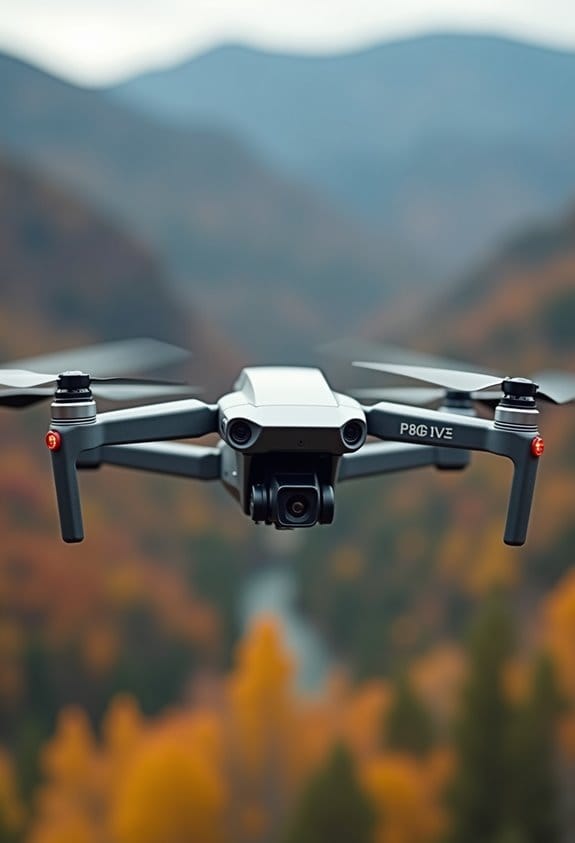
You know, as we chat about modern documentary filmmaking, it’s clear that drones have become must-haves for filmmakers today. These nifty flying devices capture breathtaking aerial footage, giving us those wide views that help us understand both environmental changes and how humans interact with their surroundings. Imagine watching a documentary about deforestation; those drone shots soaring over once-lush forests really drive home the impact of logging.
One of the coolest things about drones is how they can get close-up insights in tough spots without causing disruptions. For instance, a filmmaker documenting wildlife can hover over a nest without scaring the birds away. Plus, with advanced stabilization technology, drone footage seamlessly blends with ground shots, making stories flow beautifully. In a documentary about a city’s transformation, you might see aerial views of new buildings rising alongside footage of local residents sharing their experiences—all tied together without a hitch.
Another important benefit of drones is their ability to capture changes over time. By filming the same location repeatedly, filmmakers can show compelling visual stories. Think about a project that tracks the melting of glaciers; drone footage can vividly illustrate the gradual change, making the issue feel more real and urgent. Many of today’s drones feature omnidirectional obstacle avoidance, which ensures safer flights when capturing complex environments.
Enhance Your Narrative Context With Aerial Perspectives
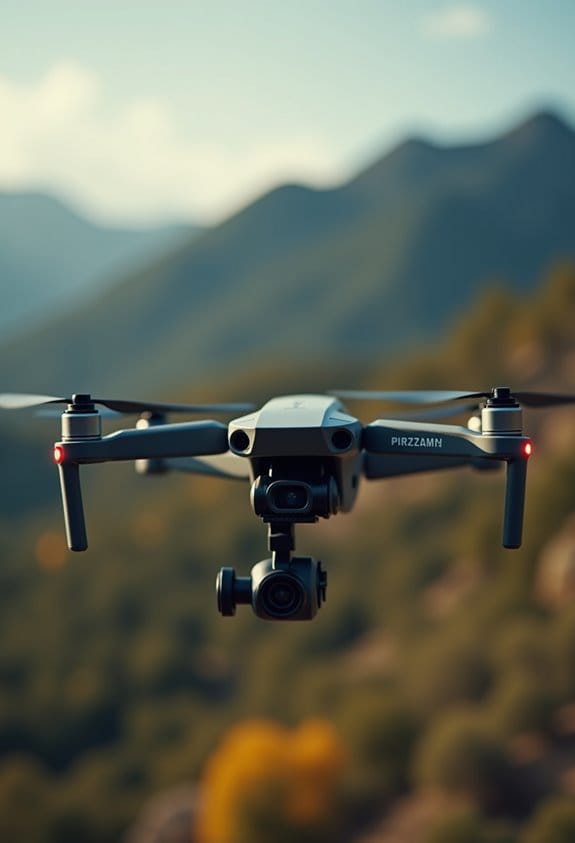
You know, when we’re talking about documentary filmmaking, the use of drones really takes things to another level with those stunning aerial perspectives. Think about it: with just a drone, you can capture sweeping views that show how everything connects spatially, giving us a clearer picture of the subjects within their environments. For instance, if we’re featuring a small town recovering from a natural disaster, a drone shot that captures the entire area from above can powerfully illustrate the scale of destruction and the community’s resilience.
Those high-quality aerial shots are not just eye candy; they serve as visual introductions that set the scene while effortlessly blending geography into the story. It’s like watching a puzzle come together—seeing how people and places are intertwined over time. A great example of this is a documentary about coastal communities and rising sea levels; aerial footage can vividly highlight both the beauty of the shoreline and the threat looming above it.
Using these aerial perspectives brings depth to a documentary, making it an engaging experience for viewers. It’s all about showing the intricate connections between people and their surroundings, and in turn, this invites the audience to feel a part of the story. So, let’s explore some practical tips for incorporating drone footage effectively in our projects. To maximize footage quality and ease of use, many filmmakers now choose drones equipped with advanced stabilization technology for smooth, professional videos.
Balancing Emotional Depth and Broader Context in Storytelling
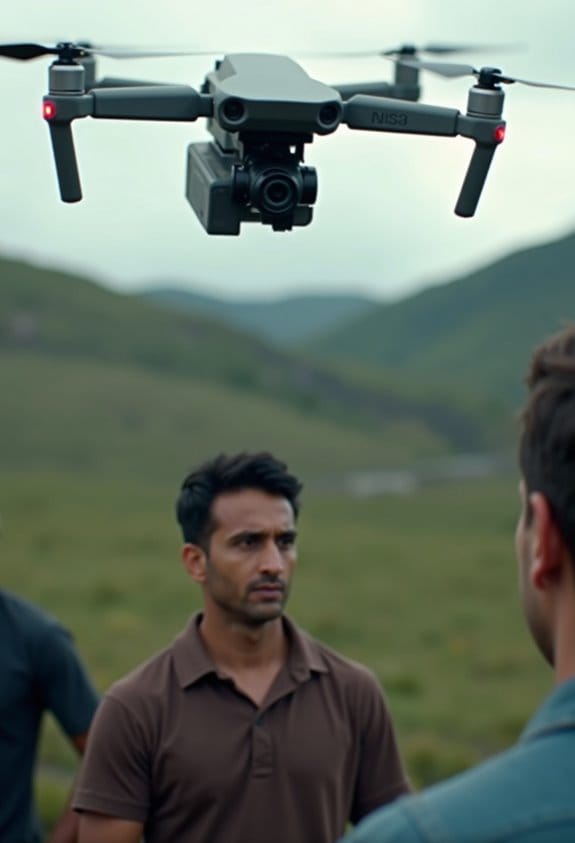
Using drone footage in our documentaries is a fantastic way to bring stunning visuals into the mix while also providing a bigger picture that helps viewers really grasp what’s going on. Imagine soaring high above a sprawling landscape, catching a glimpse of how our subjects fit into their environment—that’s what aerial cinematography does! It allows us to highlight how characters interact with places they call home, adding layers of meaning to their stories.
For example, let’s say we’re telling the story of a small farming community grappling with drought. The drone shots can show the vast, parched fields, which instantly creates a deeper understanding of their struggle. By pairing those sweeping shots with close-ups of individuals, we can feel their emotions and get a sense of their resilience. It’s all about crafting a narrative that ties both the personal and the environmental together, making the experience richer for viewers. Utilizing drones with advanced gimbal technology ensures that the footage remains stable and professional, even during complex flight maneuvers.
Document Environmental Changes Over Time With Drones
Hey there! Did you know that drones have become super helpful for documenting environmental changes over time? They give filmmakers an amazing way to capture how our landscapes and ecosystems evolve. With drone footage, we can see things like how coastlines are eroding, forests are disappearing, and cities are spreading out—all from angles we just can’t get by standing on the ground.
When we shoot aerial video and take photos from these drones, it’s more than just pretty pictures. We tell real stories about the challenges faced by communities and nature. For instance, you might see side-by-side comparisons of a beach that’s lost yards of sand due to erosion over the years, or a forest that has shrunk because of logging. Plus, these drones gather factual data, which strengthens the messages in our documentaries.
What’s neat is that drones fly at a steady height, making it easier to measure changes over time. They also come equipped with technology to avoid obstacles, so we can focus on capturing those meaningful moments without any worry. It’s really amazing work that highlights pressing issues and gets people thinking. Speaking of thinking, let’s explore how these changes affect both the environment and our daily lives next! Many drones feature 4K Ultra HD cameras, offering stunning detail that enhances the storytelling experience.
Key Legal Regulations for Filmmakers Using Drones
Hey there! You know, using drones to capture film of environmental changes is super exciting, but it’s crucial to understand the legal side of things before getting started. If you want to operate drones legally for commercial filming, the first step is to get your Remote Pilot Certificate from the FAA. This involves passing a knowledge test, which isn’t too complicated, but it requires a bit of study.
Once you’ve got your certificate, there are some important rules to follow. For instance, you need to keep your drone within your visual line of sight while flying, and you can’t go above 400 feet. Oh, and don’t forget about insurance! Carrying liability insurance is a must, and depending on where you’re filming, you might need specific permits. Regulations can change a lot based on your location, so it’s smart to check the local laws too.
Imagine you’re planning to shoot stunning aerial footage of a waterfall. Before you pack up your gear, you’d want to ensure that you have the required permits for that area, which might involve checking with local authorities. This kind of legwork helps you avoid costly penalties or losing your flying rights altogether. With all this in mind, let’s look at the best practices to ensure a successful and compliant drone filming experience! Proper gear protection, such as using waterproof rain cover bags, can safeguard your equipment from weather-related damage during outdoor shoots.
Choosing the Right Drone for Your Documentary Needs
Choosing the right drone for your documentary needs can be exciting, but it can also feel a bit overwhelming! First things first, you definitely want a drone that has a high-resolution camera. The DJI Mavic 3, for example, has a fantastic 4/3 CMOS sensor that allows you to shoot stunning 5.1K footage, making your visuals really pop.
It’s also smart to look at professional options like the Autel Robotics EVO Lite+. This drone gives you customizable settings, which is super handy if you have different filming environments in mind. Imagine you’re in a bustling city one day and a serene nature setting the next; you’ll be prepared for both scenarios.
Don’t underestimate the importance of stabilization technology, either. Drones equipped with advanced stabilization can help you achieve those smooth, cinematic shots, especially in fast-paced situations or when you’re capturing movement. If you’re planning to film in some tricky terrains, consider a drone like the Skydio 2. It’s great because it can fly autonomously and handle obstacles easily, allowing you to focus on capturing those spontaneous moments.
And remember, while you’re getting all this amazing footage, don’t forget about the legal side of things! Make sure you obtain your Remote Pilot Certificate and follow the FAA guidelines to keep everything above board. Choosing a drone with GPS auto-return functionality can significantly enhance your flying safety and protect your equipment. Now that you’ve got the lowdown on choosing the right drone, let’s move on to how to plan your shots effectively!
The Future of Drones in Documentary Filmmaking: Trends and Innovations
Hey there! Have you noticed how drone technology is really shaking things up in the world of documentary filmmaking? It’s pretty incredible! The future of drones in this field is all about exciting new innovations that can make storytelling even more captivating.
For starters, think about how much better aerial shots can be now. With advancements in stabilization technology and higher camera resolutions, filmmakers can capture absolutely breathtaking visuals. Imagine a scene where a camera flies smoothly above a stunning landscape, giving us a perspective that feels almost like magic.
Also, drones are getting smarter thanks to AI. They can now fly autonomously, which helps filmmakers set up complex shots without needing tons of crew members. Picture a documentary where the drone can analyze the environment in real-time, adjusting its flight path based on what’s happening below. It adds a layer of creativity that wasn’t possible before!
And here’s something super important: drones are becoming more accessible to independent filmmakers. This means that smaller production teams can get high-quality aerial footage without breaking the bank. It opens up opportunities for stories that might have otherwise gone untold, allowing for a wider range of perspectives in documentary filmmaking.
But with great power comes great responsibility. We have to ensure that drones are used ethically, respecting privacy and following regulations to capture genuine narratives. This balance between creativity and responsibility is crucial for the future of storytelling.
With all these advancements, it’s clear that drones are pushing the limits of how we tell stories in documentaries. And as we look towards the future, it’s exciting to think about how these tools will continue to evolve and enrich the art of filmmaking. Using high-quality protective gear for drone cameras, such as UV protection filters, can ensure clear, vibrant footage and safeguard equipment during shoots.
Frequently Asked Questions
How Much Do Drones Typically Cost for Documentary Filmmaking?
Drones for documentary filmmaking typically range from $1,000 to $10,000. We should consider costs involving equipment selection, insurance, and post-production expenses, along with rental options and filmmaking grants that enhance our filming budgets and investment returns.
What Skills Are Needed to Operate a Drone Effectively?
Like mastering a dance, we need flight training and software proficiency. We must grasp drone regulations and safety protocols, harmonizing camera settings, aerial maneuvers, and maintenance practices with shoot planning and editing techniques for enchanting storytelling.
Can Drones Be Used Indoors for Documentary Filming?
Yes, we can use drones indoors, but we must consider indoor flying limitations like space constraints, sound interference, and lighting challenges. Ensuring equipment compatibility and maneuverability issues is essential for ideal camera angles and shot composition.
What Are Common Drone Battery Life Limits for Shoots?
Common battery life limits vary by drone types, typically ranging from 20 to 30 minutes. We need good power management, consider filming conditions, and always keep backup batteries charged for longer shoots and maximum energy efficiency.
How Do Weather Conditions Affect Drone Filming Capabilities?
Weather conditions greatly affect our drone filming. We face visibility challenges in fog, make adjustments for snow, deal with wind impact, and follow storm safety protocols, while considering temperature, humidity, and lighting for best performance.