As an Amazon Associate, we earn from qualifying purchases. Some links on this site are affiliate links at no extra cost to you. Our recommendations are based on thorough research and editorial judgment.

How to Calculate Actual Flight Time Based on Conditions

To calculate actual flight time based on conditions, we need to take into account several factors. First, we measure the flight distance in nautical miles. Then, we apply the formula: Flight Time = Distance ÷ Speed. It’s essential to account for different types of airspeeds—especially True Airspeed—and understand how wind can affect ground speed. Weather conditions and time zones also play significant roles. If we factor all these elements in, we can achieve accurate travel estimates. There’s more to explore to master this process.
Key Takeaways
- Determine the flight distance in nautical miles and the aircraft’s cruising speed to establish a baseline flight time.
- Adjust the estimated flight time based on wind conditions; headwinds typically add 10-15% more time, while tailwinds reduce it.
- Use True Airspeed (TAS) to calculate the actual speed over the air, factoring in pressure altitude and temperature for accuracy.
- Input relevant data into a flight computer for real-time updates, including distance, TAS, and current wind conditions to refine estimates.
- Consider weather patterns and potential turbulence, as these may necessitate flight path adjustments and further impact overall travel time.
How Flight Distances Impact Travel Time
Hey, have you ever thought about how flight distances can really shape our travel time? It’s pretty straightforward when you break it down: flight distances are measured in nautical miles, and you can estimate your flight time using a simple formula: Flight Time = Distance ÷ Speed. For example, if you’re flying 900 nautical miles at a cruising speed of about 451 knots, you’re looking at nearly 2 hours in the air.
But there’s more to it than just those numbers! You need to keep in mind things like wind speed. If you’re facing headwinds, they can slow you down, meaning your actual travel time might be longer than expected. On the other hand, a nice tailwind can help you arrive quicker! And knowing your aircraft’s cruising speed is crucial too—take the CJ3, which flies at around 417 knots; it can change your flight duration calculations quite a bit. For accurate calculations, considering factors like energy efficiency in aircraft systems can also impact real-world travel time and overall flight performance.
Understanding Different Types of Airspeed
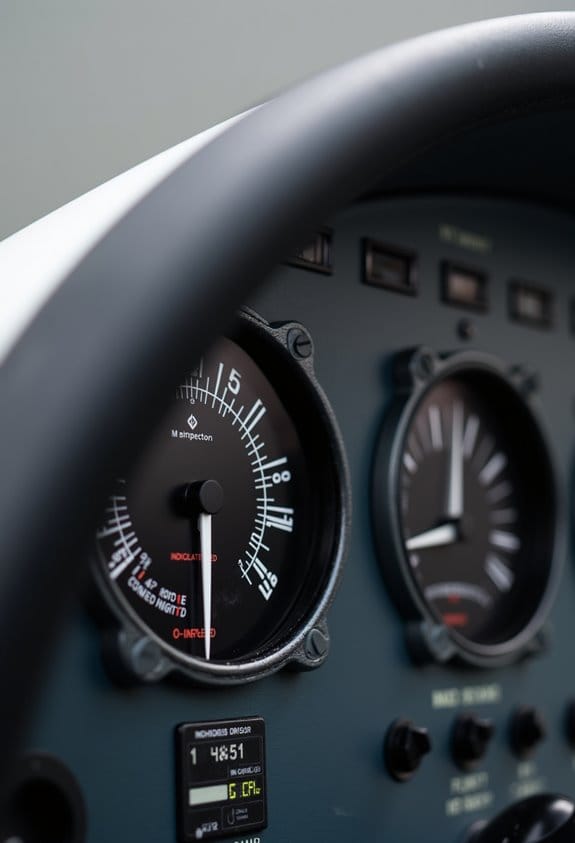
Hey there! So, when we’re talking about flight time, understanding the different types of airspeed is super important. These various speeds directly impact how fast we can get to our destination, so let’s break them down in simple terms.
First off, we have Indicated Airspeed (IAS). This is what you see on the aircraft’s speed gauge, but keep in mind, it doesn’t account for changes in air density. For example, as you climb higher, the air gets thinner, and your IAS might not reflect the actual speed you’re moving through the air.
Next is Calibrated Airspeed (CAS). This type adjusts the IAS for any errors caused by the aircraft’s position, like if you’re climbing or turning. If you’re cruising at high speed, knowing your CAS helps ensure you’re flying at a safe and efficient speed without any surprises.
Then we get to True Airspeed (TAS), which is where it gets really interesting because it tells you your actual speed through the air. Pilots calculate TAS using pressure altitude and outside air temperature. For instance, if you’re flying on a hot day at a high altitude, your TAS will be different compared to a cool, low-altitude day.
Lastly, we can’t forget about Ground Speed (GS). This is how fast you’re moving over the ground, and it really comes into play with wind. If you have a strong tailwind, it’s like getting a helpful push that speeds you up. Conversely, if you’re facing a headwind, it can slow you down.
Understanding these airspeeds is key when planning flights. It helps pilots figure out fuel needs and timing for stops. Plus, it makes sure we’re optimizing the entire journey. Now, if you’re curious about how weather conditions can affect these speeds, remember that using accurate measurement tools with high optical clarity can help pilots and meteorologists gather better data to make informed decisions.
Factors Affecting Ground Speed
Hey there! Let’s chat about ground speed and some of the factors that affect it—it’s a pretty vital piece of the puzzle when planning a flight. So, ground speed is largely influenced by wind conditions, and here’s the scoop: tailwinds can really give you a boost, while headwinds can slow you down. For example, if you’re flying into a 20-knot headwind, you might find that it takes much longer to reach your destination. On the flip side, cruising with a 20-knot tailwind could have you arriving sooner than expected!
When we talk about figuring out exactly how long your flight will take, we can’t forget about true airspeed, which is your plane’s speed relative to the air, plus the wind’s speed and direction. Tools like a flight computer can help you put all this information together, allowing you to calculate the right wind correction and estimate your ground speed accurately. Understanding these basics not only helps you plan better but also plays a key role in keeping everyone safe in the sky.
Now that we’ve got a handle on how wind affects ground speed, let’s take a closer look at how altitude changes can also come into play during your flight. It’s also important to consider the impact of battery life on the duration you can maintain optimal speeds when flying drones during events like weddings.
How to Use Flight Computers for Time Estimation
Hey there! If you’re looking to make your flight time estimation more precise, using flight computers is definitely the way to go. These handy tools help us calculate how long our journey will take by letting us input important details like flight distance and True Airspeed (TAS). It’s like having a personal assistant for your flight!
So, here’s how we can kick our estimations up a notch. First, you’ll want to input the distance you’ll be flying along with your TAS—it’s essentially how fast your plane is traveling through the air. Next up, let’s not forget about wind conditions! If you’re flying into a headwind, it’ll slow you down, whereas a tailwind can give you a nice boost. Flight computers can do the math for effective ground speed, taking those winds into account.
Also, one great feature of these computers is that they can provide real-time updates as conditions change, especially when you’re cruising at higher altitudes. For instance, if the winds shift unexpectedly, your flight computer can adjust your expected arrival time, helping you stay on track. To keep your flight instruments powered reliably during these calculations, using a stable 24V Power Supply is essential for uninterrupted performance.
How Weather Conditions Affect Flight Time?
You know, flying can be a real thrill, but the weather is a huge factor that affects flight time. For example, if we’re facing a 20-knot headwind—think of it like driving into a strong wind—it can really slow us down, adding about 10 to 15% more time to our journey. On the flip side, if we catch a nice tailwind, it can actually help us get to our destination faster, shaving off that same chunk of time.
And it’s not just headwinds and tailwinds—turbulence and storms can really throw a wrench in the works too. Pilots often have to change their flight paths to avoid bad weather, which can lead to unexpected delays. Let’s say there’s a storm system up ahead; rather than flying straight to our destination, we might have to take a longer route to stay clear of rough patches.
When weather gets extreme, like in heavy rainfall or icy conditions, it can slow us down even further during takeoff and landing. So, before hopping on a plane, it’s super important to check the weather forecast. This way, we can get a better idea of how long the flight will actually take and be ready for any surprises the skies might throw at us. Speaking of preparation, let’s chat about what you can do to stay comfortable during the flight! Additionally, selecting drones with altitude hold functionality can help maintain flight stability even in slightly adverse weather conditions.
Adjusting for Time Zones When Planning Flights
Hey there! So, when we’re planning our flights, adjusting for time zones is super important to make sure we land when we expect to. It’s all about knowing the UTC offsets for where we’re leaving and where we’re headed. This simple step helps us get our local arrival times right, which can save us from a last-minute scramble.
First, it’s crucial to be aware of the time zones for both places. For example, if we’re flying from New York (which operates on UTC-5) to Los Angeles (UTC-8), we actually need to subtract three hours from our departure time. It sounds tricky, but once you get the hang of it, it becomes second nature! And don’t forget about Daylight Saving Time; it can really throw us off if we’re not keeping an eye on those changes.
A handy way to avoid any mistakes is to use flight planning apps. They can make adjusting for time zones a breeze, taking the guesswork out of time conversions. So, with these tips in hand, planning our next trip should be a lot smoother! Speaking of trips, what are your thoughts on packing for different climates? Choosing the right multi-compartment bag can help keep your travel essentials organized and easily accessible during your journey.
Frequently Asked Questions
How to Calculate Actual Flying Time?
To calculate flight time, we need to take into account altitude effects, wind speed, temperature impact, and air density. Proper route planning guarantees navigation accuracy, which helps us estimate fuel consumption based on our pilot experience.
What Is the Formula for Calculating Travel Time?
As we navigate the skies together, travel time estimation blends distance measuring techniques and speed calculation methods. By analyzing journey time variables, we enhance our travel time accuracy, considering all influencing factors for a smoother adventure.
How to Calculate True Airspeed in Flight?
To calculate true airspeed, we consider altitude effects, temperature adjustments, and wind speed impacts. Using aircraft performance charts and speed conversion techniques guarantees flight planning accuracy and effective navigation tools analysis for peak performance.
How to Calculate ETA Aviation?
To calculate ETA in aviation, we consider flight planning, aircraft performance, and weather impact. By optimizing our route, adjusting for altitude, and accounting for air traffic, we enhance time estimation and manage fuel consumption effectively.