As an Amazon Associate, we earn from qualifying purchases. Some links on this site are affiliate links at no extra cost to you. Our recommendations are based on thorough research and editorial judgment.

Understanding Drone Weight Classes and Their Regulations

Understanding drone weight classes is vital for safe and compliant operation. Drones under 250 grams don’t need FAA registration, but must follow general UAV rules. For drones between 250 grams and 55 pounds, registration is mandatory, along with a Remote Pilot Certificate for commercial use. Heavy-lift drones over 55 pounds require specific certifications and may face stricter regulations. Staying informed is important for all operators, and there’s much more to explore about these regulations that can help enhance our knowledge.
Key Takeaways
- Drones are classified into weight categories, affecting regulations and operational requirements based on their maximum takeoff weight (MTOW).
- Drones under 250 grams do not require FAA registration but must follow general UAV regulations, including altitude restrictions.
- Drones weighing between 250 grams and 55 pounds need FAA registration and a Part 107 Remote Pilot Certificate for commercial use.
- Heavier drones over 55 pounds must obtain a Certificate of Registration, an airworthiness certificate, and may require a Part 137 certificate for agriculture.
- Safety guidelines mandate maintaining a distance of at least 500 feet from people, regardless of the drone’s weight class.
Understanding Drone Weight Classes
Hey! So, when we chat about drone weight classes, we’re really talking about how these flying gadgets are grouped based on how much they can weigh when taking off, which we call maximum takeoff weight or MTOW. Understanding these weight categories is super important for drone operators like us, since they dictate what certifications we need and how we can operate our drones.
For instance, the FAA considers drones that weigh over 55 pounds as heavy-lift drones. These beasts are designed to carry hefty loads, making them great for jobs like aerial photography for large events or delivering supplies to remote areas. If a drone falls between 250 grams and 55 pounds, it must follow Part 107 regulations. This means we need to register the drone and hold a remote pilot certificate if we’re using it for commercial purposes.
It’s also worth noting that the amount of weight a drone carries can affect its flight. For example, if you load it down with too much gear, you might find that it doesn’t fly as long or respond as well in the air. By keeping these weight classes in mind, we can make smarter decisions about our drone operations and ensure a smoother flying experience. So, let’s delve into how these weight categories influence the kinds of drones available today!
Additionally, understanding the impact of weight on factors like flight time considerations can help optimize drone usage for different applications.
Regulations for Drones Under 250 Grams

If you’re thinking about flying a drone under 250 grams, there are a few important regulations you should know. These rules help ensure that you, your drone, and those around you stay safe while enjoying this fun and accessible tech. For instance, if you’re flying for fun and your drone weighs less than 250 grams, you don’t have to register it with the FAA, but you still need to follow general UAV regulations that apply to drones under 55 pounds.
One key rule is to use the Low Altitude Authorization and Notification Capability (LAANC) if you want to fly in areas where air traffic is controlled. This system makes it easy to get clearance and know where it’s safe to fly. Also, if you’re flying in first-person view (FPV), it’s a good idea to have a visual observer with you to keep an eye on the drone since you’re focused on the view through your goggles.
Keep your drone below 400 feet above ground level (AGL), or follow any specific height restrictions given by LAANC. And a quick tip: while you don’t need to worry about Remote ID if you’re a recreational flyer, if you’re flying commercially, make sure you comply with those rules, no matter how light your drone is. It’s pretty straightforward once you grasp the basics, and you’ll be soaring safely in no time! Consider investing in a durable and protective drone carrying case to safeguard your equipment during transport.
Recommended Products

Carry Case for DJI Neo 2: STARTRC shoulder neo 2 case is designed for DJI Neo 2 drone and accessories. It can organize neo2 drone, RC-N3/ RC-N remote controller, 4x batteries, original charging hub, 65W battery charger, filter set, propellers, cable and other accessories

【Custom Design】YETEETH hard case specifically designed for DJI Mini 4K, Mini 2, Mini 2 SE Fly More Combo and other accessories.

【Superior Compatibility design for】 The case is designed for DJI MINI 4K /Mini 2 SE Fly More Combo Accessories, Appropriate size storage bag-31*22*11CM (12.2*8.66*4.33IN), one-piece storage space ensures a snug and secure fit, Giving you protected,and organized experience for your device and accessories.
Compliance Guidelines for Drones From 250G to 55 Pounds
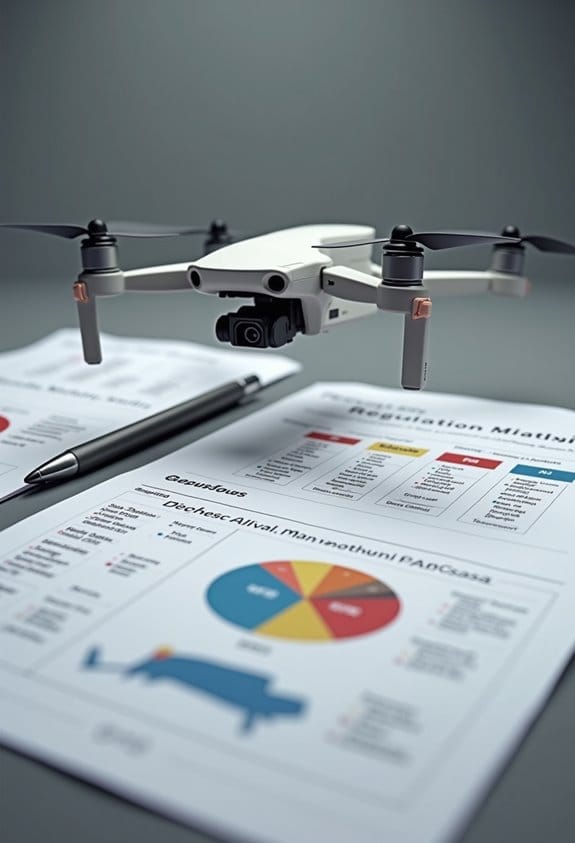
Hey there! So, if you’re looking to fly drones that weigh between 250 grams and 55 pounds, you’ve got some important responsibilities to keep in mind. First off, you’ll need to register your drone with the FAA, whether you’re just having fun or using it for business.
Now, to operate these drones, you’ll also need a Part 107 Remote Pilot Certificate. Think of it as your license to fly; you’ll need to pass a knowledge test for that, which costs $175. It might sound a bit overwhelming, but it’s like getting a driver’s license—once you’ve got it, you’re good to go!
Also, don’t forget about airworthiness! Each drone needs its own airworthiness certificate because manufacturers typically skip type certifications. When you’re flying, stick to some simple rules too—stay at least 500 feet away from people and buildings. For example, if you’re shooting an amazing aerial video of a park, make sure no one is in your way to keep everything safe and fun.
Many drones under 249 grams benefit from FAA-exempt registration, making them easier to carry and fly without the typical regulatory requirements.
Recommended Products


Drone Regulations: Certifications for Heavy Lift Drones Over 55 Pounds
If you’re thinking about flying heavy lift drones that tip the scales at over 55 pounds, it’s key to know what certifications you need to keep your flights safe and legal. First off, every drone must have a Certificate of Registration from the FAA, specifically under Part 47. Along with that, you’ll need an Airworthiness Certificate before you even think about taking off.
Now, let’s not forget about the pilot side of things. Whether you’re flying a heavy-lift hexacopter or another model, you’ll need a valid Remote Pilot Certificate that follows the Part 107 regulations. This is basically your ticket to being a legal drone pilot. For example, if you plan to use your drone for agricultural purposes like spraying crops, you also need a Part 137 operating certificate.
If your drone missions take you near airports, you should look into getting a Certificate of Authorization (COA). This will help you navigate the airspace more smoothly and ensure you’re sticking to all the Federal Aviation Regulations (FARs), especially those outlined in Part 91. It might seem like a lot to keep track of, but once you have the right certifications, you’ll be all set to take to the skies safely!
Additionally, heavy lift drones often incorporate advanced GPS navigation systems to enhance flight safety and operational reliability.
Recommended Products

【2K HD Camera & 5G Real-Time Transmission】 Capture crisp 2K high-resolution photos and videos with smooth 5G Wi-Fi transmission for a stable, real-time viewing experience by using Scrubuz drones. Thanks to the 90° electric adjustable camera with 110° wide-angle lens, allowing you to achieve more vast landscapes, which can be saved to the Micro SD card not exceed 64GB or directly on your mobile device.


【Drones with 4K Camera & Obstacle Avoidance】Our V168 drones with camera for adults 4k are equipped with a 90° adjustable lens and 120° wide-angle lens, allowing you to capture from multiple angles with ease. An SD card and card reader are included for easy storage and sharing of photos and videos. In addition, our V168 drone is equipped with 4-way obstacle avoidance (Only work indoor), which can automatically detect and avoid obstacles during flight, effectively reducing the risk of collision
Understanding the Legal Implications of Flying Drones
Hey there! If you’re thinking about flying a drone, it’s super important to understand the legal implications. No matter what size your drone is, there are rules in place that you need to follow. For example, if you want to use your drone for business, you have to register it with the FAA—yes, every single drone you operate for commercial purposes.
Now, you might think that tiny drones, the ones under 250 grams, are free from the rules, but that’s not the case! They still need to follow airspace restrictions and safety guidelines. This means you can’t just fly over people without permission. Keep in mind, you should maintain a comfortable distance—like a 500-foot buffer from people—to ensure everyone’s safety.
And if you step up to heavier drones, you’ll need something called a Part 137 operating certificate to operate them legally for certain commercial purposes. This is all about keeping our skies safe while letting us enjoy the benefits of these flying machines. So, it pays to brush up on these regulations before you take off. Next, let’s chat about the various types of drones out there and what you might want to consider when choosing one!
When setting up your drone’s video transmission, selecting cables with 24K gold-plated connectors can help maintain signal quality and durability.
What You Need to Know About Airworthiness for Large Drones
Hey there! So, let’s chat about large drones—those hefty flying machines that weigh over 55 pounds. When it comes to these drones, airworthiness is key. It’s not just a fancy term; it means they need specific certifications to fly legally and safely.
Now, most manufacturers of large drones don’t actually go through the process of type certifications for their models. Instead, we typically need to get airworthiness certificates for each drone we want to operate. There are two main ways to do this. One option is to obtain individual certificates for each aircraft. The other, a bit more streamlined, is doing a Section 44807 determination to show compliance with Federal Aviation regulations. For instance, if you’re testing out a new model and need to gather some data, you might consider applying for a quick experimental certificate, which can expedite that process.
Of course, once you have your drone certified, it’s super important to follow safety guidelines. For example, always keep a 500-foot buffer zone around non-participating personnel and structures during flights. This attention to detail not only keeps you compliant but also ensures everyone stays safe when you’re in the air. Plus, understanding all these elements makes you a more responsible drone operator, ready to tackle the exciting world of drone flight! Many operators find that integrating features such as GPS-based auto-return can significantly enhance flight safety and provide peace of mind during complex operations.
Recommended Products

You get 2 sets of 3 Labels, 1 FAA ID Card, 1 TRUST certificate - All customized with your FAA & TRUST information (crystal clear lamination of cards is optional) Labels are...
How to Apply for Exemptions and COAs in Drone Operations
Navigating the process of applying for exemptions and Certificates of Authorization (COAs) in drone operations can seem a bit overwhelming at first, but let’s break it down together. First off, you’ll want to gather some key documents that demonstrate how you comply with existing regulations. Once you have everything ready, you’ll submit your application through regulations.gov, which is pretty straightforward. However, don’t be surprised if the waiting time varies wildly—it can take anywhere from 37 days to a full 15 months, depending on how complex your request is.
For those of you operating drones that weigh over 55 pounds for agricultural spraying, it’s crucial to also get a Part 137 operating certificate along with your exemption. And if your drone operations are happening near airports, you’ll definitely need a COA. These COAs are issued on a case-by-case basis to ensure everyone’s safety in that controlled airspace. Plus, remember that every operator involved must have their Remote Pilot Certificate. This keeps everything compliant throughout your operations. Keep in mind that using reflective elements in your equipment can improve visibility and safety during low visibility conditions.
Recommended Products

NOTE! ! ! In order to fully shake the dry film lubricant evenly before use, we used larger bottles as containers, resulting in a visual effect that the content of dry film lubricant is only half of the bottle, and the actual liquid capacity is 【30ml】.

Good texture and have long service life.

【Comprehensive Cleaning Solution】: Our cleaning kit is meticulously designed to address every cleaning pain point of your drone. From removing stubborn dirt and grime to ensuring crystal-clear camera lenses, this kit has everything you need for a thorough cleaning experience.
Regulatory Safety Guidelines for Drone Operations
Hey! So, you know how drones are becoming super popular for everything from photography to delivery? It’s really exciting, but we’ve got to keep our heads in the game when it comes to regulatory safety guidelines. These rules help ensure we fly safely and legally, which is vital for everyone involved.
First off, the weight of the drone plays a big role in regulations. For instance, if you have a drone that can carry heavier loads, you’ll need to get it registered and have a special remote pilot certification. Crazy, right? And while the FAA allows operations over people (OOP), there are specific safety measures you must follow, like staying within certain kinetic energy limits to minimize risk.
Also, don’t forget about airspace restrictions! Drones under 250 grams can sometimes get a pass on registration, but that doesn’t mean they’re free to do whatever they want. They still need to follow the basic rules of aircraft operation. It’s all about keeping ourselves and others safe, so let’s stick to these guidelines. Many popular drones weigh under 249g and benefit from features like no FAA registration needed making them easier for casual users to operate. Got any questions about specific regulations? I’m here to help!
What’s Next for Drone Regulations by Weight Class?
Hey there! You know how drone regulations are always changing? Well, when it comes to drone regulations by weight class, we can expect some interesting developments. For instance, drones that weigh under 250 grams might see a bit less red tape around Remote ID requirements. That means if you have a lightweight drone, you could enjoy more freedom when flying it around.
On the other hand, if your drone falls between 250 grams and 55 pounds, you’ll still need to comply with the FAA rules, like those found in Part 107. Those rules cover things like where and how you can operate your drone, so it’s essential to familiarize yourself with them. And for the heavier drones, anything over 55 pounds might have stricter guidelines, especially if you’re using them for cargo transport.
Also, remember the updates from July 2021 regarding Operations Over People (OOP)? These will start playing a bigger role as we consider how drones are categorized by weight and their kinetic energy. So, whether you’re flying a tiny one for fun or planning to use a larger one for commercial purposes, staying up to date on these regulations will be crucial for a smooth flying experience. Speaking of regulations, let’s talk next about how safety measures are evolving to keep drone users and the public safe! Using intelligent safety systems in drone batteries can also help prevent hazards during operation.
Frequently Asked Questions About Drone Weight Regulations
Navigating the ins and outs of drone weight regulations can seem overwhelming at first, but don’t worry! Let’s break it down together so it all makes sense.
First off, if you’re flying for fun, you don’t need to register your drone if it weighs less than 250 grams. Just remember, even without registration, you still have to stay within certain airspace restrictions to keep things safe. For example, if you’re flying in a park, make sure there are no nearby airports or restricted areas.
Now, if you’re planning to use your drone for commercial purposes, every single drone, no matter how light—yes, even those little 50-gram ones—must be registered with the FAA. It’s crucial to keep this in mind if you want to operate legally and avoid any penalties.
The FAA groups drones into different weight categories, each with its own set of rules regarding how and where you can fly, particularly when it comes to Operations Over People (OOP). For instance, if your drone is over 250 grams and you want to fly it over a crowd, there are stricter safety guidelines to follow.
And keep an eye out for new regulations, particularly the remote ID requirements that take effect in October 2023. These can impact commercial flying, even for those lighter drones you may think are exempt. Understanding these changes can save you a lot of trouble down the road.
Additionally, just like how some FLIR camera drones boast durability ratings for rugged performance, considering your drone’s build quality can be vital for safety during operations.
Frequently Asked Questions
What Are the Weight Classification of Drones?
In the sky of innovation, we find drones categorized by weight: micro, small, and heavy. Each class dictates drone safety, aerial photography potential, and racing thrills, guiding us through regulations compliance and maintenance for hobbyists and delivery dreams alike.
What Are A1 and A3 Drone Categories?
A1 category drones, under 250 grams, allow flights over people with few restrictions. A3 category drones, exceeding 250 grams, require 150 meters distance from populated areas. Both have safety regulations and specific pilot requirements we must follow.
What Happens if Your Drone Is Over 249 Grams?
If our drone’s over 249 grams, we’re tangled in a web of drone registration requirements and safety regulations! Flying restrictions explained mean penalties for violations, making drone insurance options critical in maneuvering public perception challenges.
What Are the Four Categories of Drones?
The four categories of drones are based on weight: under 0.55 lbs, mid-range, heavier for specific approvals, and those needing waivers. These classifications impact drone technology advancements, safety, aerial photography, delivery, and racing environments.