As an Amazon Associate, we earn from qualifying purchases. Some links on this site are affiliate links at no extra cost to you. Our recommendations are based on thorough research and editorial judgment.

How Anti-Reflective Coatings Improve Filter Performance

Anti-reflective coatings enhance filter performance by greatly reducing surface reflections and maximizing light transmission. With multi-layer coatings, we can achieve over 99% light transmissivity, boosting image clarity and contrast. This means clearer, more vibrant images, especially in bright conditions, as reflections that can obscure details are minimized. They address common issues like glare and distractions in photography, ensuring our photos are crisp and precise. If you’re curious, there’s more to uncover about their benefits and applications.
Key Takeaways
- Anti-reflective coatings significantly enhance light transmission, allowing coated filters to transmit approximately 97.8% of light, improving overall image brightness.
- Multi-layer coatings minimize reflections to less than 0.1%, which boosts clarity and contrast in images, particularly in bright lighting conditions.
- By reducing surface reflections, AR coatings help eliminate distracting glare and ghost images, resulting in sharper and more vibrant photographs.
- These coatings increase optical performance in photography, making them essential for high-end cameras and lenses that require high precision and clarity.
- Upgrading to AR-coated filters represents a cost-effective solution that delivers substantial improvements in image quality for photographers and videographers.
Understanding Anti-Reflective Coatings and Their Functionality

Hey there! Have you ever wondered how anti-reflective coatings work? They’re actually pretty fascinating because they play a crucial role in improving the performance of clear optical systems like your glasses or camera lenses. These coatings go on the surface of glass and help reduce reflections, which can be super distracting. By cutting down on things like glare and glint, they make everything look sharper and clearer.
For instance, a single anti-reflective coating can let around 97.8% of light through, which is impressive! When you use a multi-layer anti-reflective coating, it can actually bring total reflections down to less than 1%. This is especially useful in things like high-quality camera filters, which often have 7 to 11 layers of coating to get that ideal effect. So, next time you put on your glasses or snap a picture, remember that those tiny layers are working hard to enhance your view.
It’s amazing how such a simple addition can make such a big difference, isn’t it? Now that you know how they work, let’s explore some of the types of optical systems that benefit from these coatings! Multi-layer coatings on filters are key to reducing glare and ghosting, ensuring vivid image clarity.
How AR Coatings Improve Light Transmission
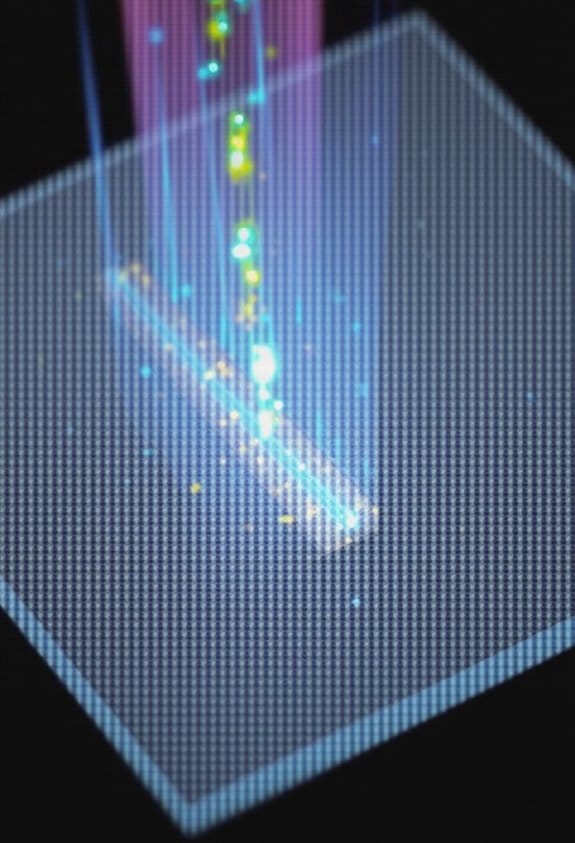
Hey! Have you ever wondered how coatings can dramatically improve light transmission in optical filters? Well, anti-reflective (AR) coatings are the secret sauce here. They work by minimizing surface reflections, which drops those pesky reflections to below 1%. Can you believe that means coated filters can let in about 97.8% of light? In contrast, uncoated filters only manage around 4%—that’s a huge difference!
With high-quality multi-layer AR coatings, we can reach an impressive 99% light transmissivity. This boost in light transmission not only leads to clearer images but also enhances contrast, making it super important for tools like cameras and telescopes. Imagine snapping a picture of a sunset; the AR coating allows you to see vibrant colors without the annoying glare that would wash everything out.
Ultimately, AR coatings play a pivotal role in elevating filter performance, ensuring we capture the sharpest and most detailed images possible. And speaking of clarity, let’s explore how these coatings are applied to different optical devices. Proper filter maintenance also helps preserve these coatings for long-lasting performance.
Recommended Products

【6 Pack Snap On Drone Lens Accessories】 The kit for your drone gear includes 4 x Neutral Density filter (ND4/ND8/ND16/ND32), 1 x circular polarizing filter, and 1 x UV filter, compatible with DJI Mini 4K Drone with 4K UHD Camera for Adults/ Mini 2 / Mavic Mini / Mini SE / Mini 2SE and Fly More Combos, meeting various photography needs, from glare reduction to long exposure effects, as well as providing lens protection. Simple snap on design makes easy and swift filter attachment and dismounting

【3 Pack Drone Filter Set】 Compatible with DJI Mini 4K, Mini 2 SE, Mini SE, Mini 2, Mavic Mini and Fly More Combos, this circular polarizing neutral density drone filter set elevates your aerial photography and videography to a professional level. Each lens filter quickly snaps onto the camera and locks into place with a hook for secure attachment during flights

【Lightweight Design】 The filter frame is made of aviation aluminum alloy, and the edge of the frame adopts CNC non-slip design, which is easy to install and disassemble. It weighs only 1.2g without affecting drone calibration and balance.
Key Differences Between Single-Layer and Multi-Layer Anti-Reflective Coatings

Hey! Let’s chat about the differences between single-layer and multi-layer anti-reflective coatings. So, you know how when you wear glasses, sometimes there’s that annoying glare? That’s where these coatings come in.
Single-layer coatings are like the straightforward fix; they cut reflections at a specific wavelength, which means if you’re looking for something simple and cost-effective, this might do the trick. They usually manage to reduce about 4% of the reflection per surface, letting through around 92% of light. Think of them as a quick way to make your everyday sunglasses a little better.
On the other hand, multi-layer coatings are a bit more complex. They’re made up of several layers, each with different properties that work together. This allows them to minimize reflections to less than 0.1% across a wider range of wavelengths, boosting light transmission to nearly 99%. You’d typically find these on high-end camera lenses or solar panels, where managing reflections is crucial.
While single-layer coatings are simpler and easier on the wallet, multi-layer coatings deliver way better performance and durability. So, if you’re investing in something like a quality camera or optical system, going for that multi-layer option makes a lot of sense. It’s worth the extra cost for those clear, glare-free results! High-end filters, such as those made with MRC16 coating, specifically leverage multi-resistant layers to enhance durability and maintain exceptional light transmission.
Recommended Products

Mavic 4 Pro Dual Focal Length Split Filter Kit: Engineered to overcome the challenges of different focal lengths and apertures, delivering precise exposure control for...
How AR Coatings Enhance Image Clarity
You know, when you’re snapping photos, there’s something really important that often gets overlooked—coatings on your lenses. Anti-reflective (AR) coatings can take those pesky surface reflections down from about 4% to less than 1%. This means that much more light gets through the lens, boosting light transmission up to 97.8%! With this increased light, your images can have better contrast and detail.
Think about those moments when you’re shooting in bright sunlight—ever notice how your images can end up with annoying glare spots? AR coatings work wonders here by reducing internal lens flare, which helps in avoiding those distracting ghost images that can ruin a perfect shot. For instance, if you apply these coatings on both sides of your filters, you can keep your photos sharp and clear, even in tricky lighting.
Ultimately, investing in AR coatings for your camera gear helps ensure that you get the crisp, vibrant images you’re after. It’s a simple choice that makes a noticeable difference in your photography experience. Now, if you’re curious about how to choose the right filters for your camera, let’s explore that next! Many high-quality ND filters for drones incorporate multi-layer coatings to enhance durability and reduce flaring.
Recommended Products

Neutral Color Optics: Industry-renowned Freewell optics ensures color neutrality, ensuring your epic content with perfection. GimbalSafe: Freewell GimbalSafe technology...
Top Applications for Anti-Reflective Coatings
Hey! So, let’s chat about anti-reflective coatings. You know how sometimes when you take a photo or look through a telescope, the light can create annoying glare? That’s where these coatings come into play! They help enhance image clarity by cutting down on reflections, which means you get brighter, clearer visuals—perfect for capturing stunning photographs or spotting celestial bodies on a clear night.
These coatings are super handy in a bunch of different areas. For example, in photography and videography, they minimize glare on lenses, letting you take clearer pictures even in bright sunlight. Scientists also rely on them for special instruments, like those used in labs that study UV and near-infrared light. They ensure the precision of measurements without distracting reflections.
And if you’ve ever used filters in a vacuum chamber, you know clarity is crucial to get the right readings! Anti-reflective coatings play a significant role there, too. It’s fascinating how something so small can have such big implications in various fields, right? Now, let’s explore why these coatings are such a popular choice for everyday items like glasses and screens! Additionally, many high-quality camera lens filters use multi-layer coatings to improve strength and reduce glare, enhancing overall filter performance.
Recommended Products

【Dedicated to Mini 4 Pro Drone Lens】 Precisely CNC machined to be exclusively compatible with the DJI Mini 4 Pro. This ND & CPL filter kit is a game changer for all drone enthusiasts seeking to fine tune shutter speeds, reduce flare, enhance color, and achieve perfect exposure in different weather conditions. Made of aircraft level aluminum alloy, the lightweight 0.11oz/3.2g filters won't interfere with drone calibration and balance

【Compatible with Mini 4 Pro】 Compatible with DJI Mini 4 Pro and Fly More Combo/Combo Plus, this drone filter set includes a circular polarizer filter and three ND (neutral density) filters (ND16, ND64, ND256) for professional aerial photography and videography. Attachment is easy: simply remove the original lens and screw these filters on

【Compatible with DJI NEO Drone】 Compatible with DJI NEO Drone, this filter accessories kit includes an ND8, an ND16, an ND32, and an ND64 filter for professional aerial photography and videography as content creator essential gear and influencer must have equipment
Common Issues With Reflections and How AR Coatings Address Them?
You know how annoying reflections can be when you’re trying to take a photo or just enjoy the view? Those pesky glare spots can really get in the way. That’s where anti-reflective (AR) coatings come into play—they’re like magic for your lenses! These coatings can cut down light loss from uncoated surfaces by up to 8%, which might not sound like much, but it makes a big difference in how clear and sharp your images come out.
So, how do they work? Well, AR coatings use a thin layer that interacts with light in a clever way, essentially canceling out some of the reflections. This means you get a more detailed and vibrant picture, without those annoying “dazzle spots” that can crop up in bright light. Imagine trying to capture a beautiful sunset; without AR coatings, you might just end up with a blob of glare instead of the stunning colors you see.
For situations where you’re dealing with a lot of contrast—like shooting outdoors on a sunny day—multi-layer AR coatings really shine. They’re designed to handle different wavelengths of light, which helps minimize reflections, internal lens flare, and ghosting. Basically, these coatings help you see the world as it truly is, making photography and videography more enjoyable.
Many multi-coated filters, like the K&F Concept Circular Polarizer with its 18 multi-layer coatings, demonstrate how advanced coatings contribute to minimizing reflections effectively.
Next time you grab your camera, just remember that simple upgrades like AR coatings can turn your visual experience from frustrating to fantastic!
Recommended Products

This FPV ND UV Filter Set is compatible with O4 Pro Air Unit, ensuring its adaptability and suitable for aerial video shooting. Multi-scenario 4-piece set, the set includes...
Frequently Asked Questions
How Long Do Anti-Reflective Coatings Last?
Anti-reflective coatings typically last several years, depending on coating durability factors. We should consider environmental impact assessments, explore performance maintenance tips, and compare manufacturing processes to understand user experiences and technology advancements implications more fully.
Can Anti-Reflective Coatings Be Repaired if Scratched?
Unfortunately, anti-reflective coatings can’t typically be repaired if scratched. For coating longevity, we recommend professional services for maintenance, ensuring ideal optical clarity and filter durability, while using the latest coating technology to prevent future damage.
Are All Anti-Reflective Coatings Created Equal?
Not all anti-reflective coatings are created equal. We should consider coating types, performance benefits, application methods, durability, visual clarity, and cost. Plus, keeping up with maintenance tips can enhance their effectiveness and lifespan.
Do Anti-Reflective Coatings Affect Color Accuracy?
Imagine a painter’s palette, where anti-reflective coatings act like the perfect brush, enhancing color fidelity and visual clarity. They boost light transmission and optical balance, improving filter efficiency and enriching image saturation for stunning color reproduction.
Can I Apply Anti-Reflective Coatings to Existing Filters?
Yes, we can apply anti-reflective coatings to existing filter options using various application techniques. While DIY methods exist, professional services often guarantee adherence to industry standards for ideal effectiveness comparison with uncoated filters.