As an Amazon Associate, we earn from qualifying purchases. Some links on this site are affiliate links at no extra cost to you. Our recommendations are based on thorough research and editorial judgment.


How Wind Resistance Impacts Battery Drain

Wind resistance directly impacts battery drain in electric vehicles, especially at higher speeds. As we drive faster, overcoming aerodynamic drag consumes considerably more energy; for instance, speed at 80 mph can use four times the energy compared to 50 mph. Factors such as headwinds can reduce our range by 10-15%, while weather conditions, like rain and turbulence, further strain battery life. It’s important to take these influences into account when planning our trips, and there’s more to explore on optimizing EV performance.
Key Takeaways
- Wind resistance significantly increases energy consumption, causing battery drain, especially at higher speeds like 80 mph versus 50 mph.
- Driving against headwinds can reduce electric vehicle range by about 10-15%, leading to faster battery depletion.
- Aerodynamic drag accounts for 8-12% of total energy use, emphasizing the importance of vehicle design in minimizing battery drain.
- Weather conditions, such as rain and turbulence, exacerbate rolling resistance, further impacting battery life during travel.
- Strategies like keeping windows closed, maintaining a clean exterior, and using aerodynamic accessories can help mitigate wind resistance and battery drain.
How Wind Resistance Affects Electric Vehicle Range

Hey! So, let’s chat about how wind resistance impacts the range of electric vehicles (EVs). You might not realize just how much something like speed can affect how far you can go on a single charge. When you drive faster, like hitting 80 mph instead of 50 mph, you’ll notice your EV’s range can drop by as much as 28%. Crazy, right? That’s because as speed increases, the amount of energy needed to cut through the air goes way up.
To put it simply, think about how much harder it is to ride a bike on a windy day versus when it’s calm. You have to pedal harder to maintain your speed. The same principle applies to EVs. In fact, doubling your speed can make you use four times more energy just to combat that aerodynamic drag!
One way to get more mileage out of your EV is by improving its aerodynamic efficiency. This can help cut down on wind resistance and ultimately conserve your battery power. In fact, wind resistance accounts for about 8-12% of total energy use in an electric car. So, you might consider things like sleek, low-profile designs or even adding a roof rack that’s designed to be aerodynamic instead of just a standard one.
Being mindful of speed and design can make a big difference when it comes to range, making your EV experience that much better. So, as you think about your next road trip, keep in mind how simple changes can help stretch that electric range even further! Just as choosing the right memory card with the proper speed class can optimize performance, selecting aerodynamic features can maximize your EV’s efficiency.
Recommended Products
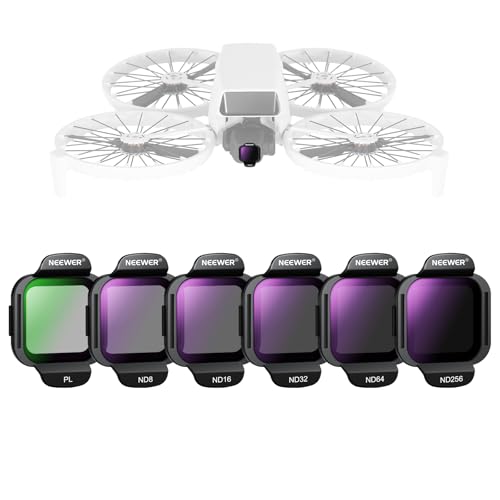
【Compatible with DJI Flip / Lito X1】 This drone gear accessories set is compatible with DJI Flip and Lito X1 Drone. It includes five neutral density lens filters (ND8, ND16, ND32, ND64, ND256) and a PL filter to elevate aerial photography and videography as content creator essential and influencer must have

【Compatible with DJI NEO Drone】Compatible with DJI Drone NEO, this filter accessory kit includes an ND8/PL filter, an ND16/PL, an ND32/PL and an ND64/PL for professional aerial photography and videography as essential equipment for content creators and indispensable equipment for influencers
How Speed and Design Influence Wind Resistance
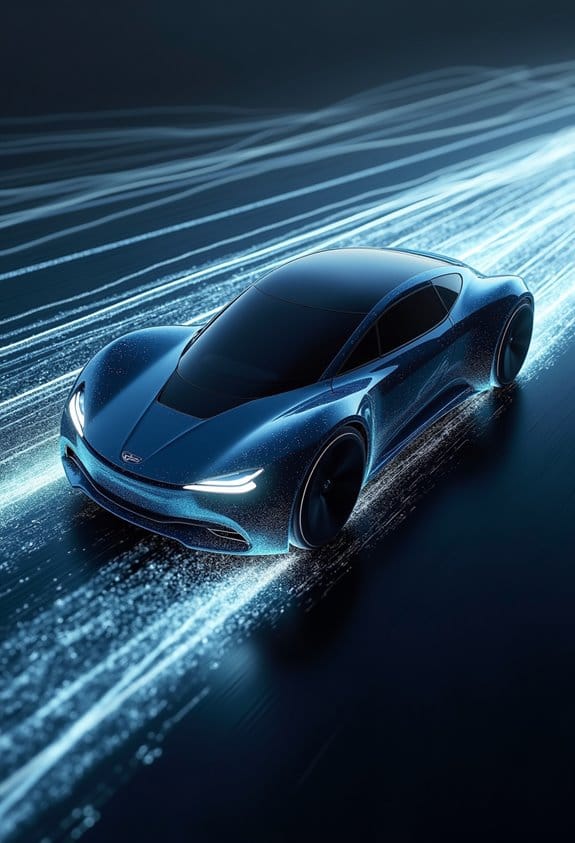
Hey there! So, let’s chat about how speed and design really affect wind resistance in electric vehicles (EVs). You know, as we drive faster, the struggle against wind gets tougher, and it starts to chew up energy really quickly. For instance, when you ramp up from 50 mph to 80 mph, you’re using four times more energy just to fight that wind! That’s why you might notice that your driving range drops by about 28% at those higher speeds.
To help with battery efficiency, the design of an EV is super important. Think of it this way: a more streamlined shape makes it easier for the vehicle to cut through the air, which means less drag. Imagine if we could make a tiny tweak to the coefficient of drag (Cd); even a small change could save a good amount of range. It’s like how a smooth stone skips better across the water than a rough one. Similarly, in drone technology, carbon fiber propellers optimize aerodynamic efficiency to reduce drag and improve flight time.
Recommended Products

6030F low-noise carbon fiber propellers provide quieter flight and reduced noise levels

Quick Release Mavic Air 2 2S Carbon Fiber Propellers Blades with 5 screws,perfectly replace Mavic Air 2 7238 Blades

Adopts the high quality 100% 3K all carbon fiber board which imported from Japan improve material.
Smart Ways to Cut Down Wind Resistance
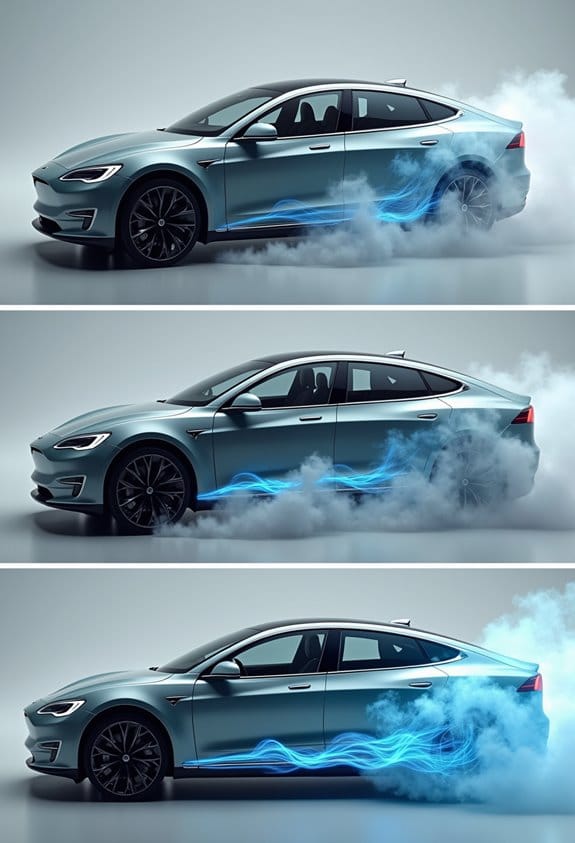
Hey there! Have you ever thought about wind resistance and how it affects our electric vehicles? It’s pretty fascinating how even small changes can make a real difference in how efficiently our cars run. For instance, installing aerodynamic accessories like sleek side mirrors or a low-profile roof rack can cut down drag. Just by doing that, you could boost your vehicle’s efficiency by around 5%.
Another simple tip? Keep your windows rolled up while you’re driving. Open windows create turbulence, which can sap your battery’s performance. Also, if you’re feeling adventurous, you could lower your car’s ride height or add a body kit designed for aerodynamics. This not only helps with airflow but also improves the car’s stability.
And don’t forget about cleaning the outside of your car! A dirty exterior can disrupt airflow, causing you to use more energy while on the road. These little things can pile up, making driving more efficient and enjoyable. So, why not give these a shot and see how it changes your driving experience?
For added protection and convenience in any weather, consider using weather-resistant materials designed to withstand harsh conditions.
Recommended Products

Love to fly drones? Cool gift idea with "Drone pilot If I duck you should too" for professional drone pilots, remote control operators and RC racers. Cute present for drone lovers and fans who loves flying FPV drones, taking aerial photos and drone racing.
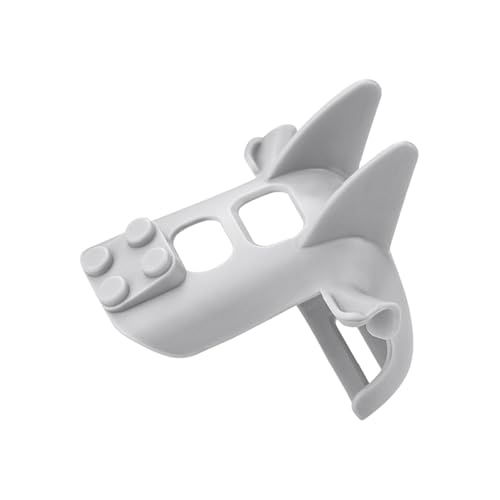
【Precise Protection】This flight tail wing is able to withstand fall impacts of a certain intensity, giving the drone precise protection and providing cushioning protection for the drone when it hits the ground. Designed specifically for DJI Neo drones.

【Compatibility】The propeller is design for DJI Avata 2 drone.
How Weather Conditions Affect Wind Resistance
Hey there! Let’s chat about how weather conditions affect wind resistance and why it matters for our electric vehicles. You might not realize it, but things like headwinds can really throw a wrench in your EV’s efficiency. When you’re driving into a strong headwind, you could see your driving range drop by around 10-15%. That’s a significant hit!
Now, have you ever noticed how the air feels different when the temperature changes? Well, warmer air is less dense, which means your vehicle can glide through it with a bit less drag. So, those hot summer days might actually help your range a bit! On the flip side, rainy days can create turbulence as water interacts with the air, making your vehicle work harder. Plus, wet roads increase rolling resistance, which can eat away at your battery life too.
And don’t forget about items like roof racks or extra cargo. They can really catch the wind and boost aerodynamic drag, leading to even more battery drain. It’s a good idea to think about these factors whenever you head out, especially when the weather isn’t cooperating. Keeping an eye on the conditions can help you get the most out of your electric vehicle! For example, using dual battery setups in certain devices can extend usage time despite heavier loads. What’s next on your mind about making the most of your EV experience?
Understanding Real-World Impacts of Wind Resistance on EV Range
When you’re cruising in your electric vehicle (EV), it’s good to keep in mind how wind resistance can really affect your driving range. Especially when you’re zooming down the highway at 80 mph, you might notice your range could drop by as much as 28% compared to driving at a more leisurely 50 mph. It all boils down to increased aerodynamic drag.
So, here’s the scoop: when you double your speed, you actually require about four times the energy because of that pesky wind resistance. Think of it as running into a strong wind; you use way more energy just to stay moving forward. On top of that, your vehicle’s aerodynamic efficiency plays a big role in how much energy it uses, making up about 8-12% of your total consumption. And let’s not forget about those real-world factors—like driving in windy conditions—where headwinds can really suck up your battery life.
For instance, if you hit the road on a breezy day, you might find your range depleting faster than expected. Planning your trip with potential wind patterns in mind could help. Overall, understanding how these elements work together can help you better manage your EV’s range on longer trips. Speaking of which, let’s talk about how terrain and weather conditions affect your EV performance even further. Using high-density materials in vehicle design can also contribute to improved energy efficiency by reducing drag and enhancing durability.
Owner Experiences With EV Range Loss Due to Wind Resistance and Weather
Hey there! Have you ever wondered how wind resistance and bad weather can affect the range of electric vehicles (EVs)? It turns out that many EV drivers have noticed a noticeable drop in their vehicle’s range, especially when cruising on the highway where the winds hit the hardest. For instance, I spoke with one owner who took a 200km trip and found that headwinds combined with rain cut their battery efficiency by about 15%.
Driving at higher speeds definitely adds to the energy drain in these conditions. It’s like trying to ride a bike against a strong wind—it takes way more effort! Plus, keeping an eye on the wind forecasts before heading out can help us plan our routes better and avoid those unexpected range drops that nobody wants. Being mindful of these factors can really help us make the most out of our EV experience, especially when the weather turns funky. Similarly, for long range FPV drones, wind resistance plays a crucial role in reducing flight time and overall battery performance.
Frequently Asked Questions
Why Are Batteries More Likely to Rundown More Quickly in Cold Weather?
In a frigid winter landscape, our batteries struggle. Cold temperatures hinder battery chemistry, causing reduced energy efficiency and increased discharge rates. These challenges diminish battery performance, leaving us yearning for warmth and a longer drive ahead.
What Is the 80 20 Rule for Charging Batteries?
The 80/20 rule for charging batteries encourages ideal battery charging habits, promoting charging efficiency and power management. By keeping our battery lifespan in check, it helps prevent unnecessary wear and guarantees a longer-lasting performance.
What Could Be Draining My Battery While It’s Off?
Battery drain while our vehicle’s off could stem from power settings, background apps, and vehicle electronics. Temperature effects and idle consumption can further exacerbate the issue. We should monitor and optimize these elements for better efficiency.
Does Wind Chill Affect a Car Battery?
Yes, wind chill impacts battery efficiency in cold weather. It affects charging rates and can shorten battery lifespan due to temperature effects, leading to increased energy demands for heating and overcoming wind effects while driving.