As an Amazon Associate, we earn from qualifying purchases. Some links on this site are affiliate links at no extra cost to you. Our recommendations are based on thorough research and editorial judgment.


Safe Transportation Guidelines for Lithium Drone Batteries

When we transport lithium drone batteries, we must prioritize safety and compliance. First, we should check for any visible damage, like swelling or cracks. Then, we use sturdy, non-conductive packaging, labeling them according to UN regulations. Keeping charge levels below 30% is essential, as is using fireproof containers. Don’t forget to adhere to airline guidelines if we’re flying. By following these steps, we minimize risks associated with lithium batteries, and there’s more to understand about their safe handling.
Key Takeaways
- Ensure batteries are maintained at a charge level of 30% or less during transport to minimize fire risks.
- Use strong, labeled packaging compliant with UN3480 or UN3481 regulations, preventing battery movement and protecting terminals.
- Check for any visible damage, such as swelling or cracks, before transport, as compromised batteries pose higher risks.
- Utilize fireproof containers for storage and transport, along with proper signage to indicate hazardous material status.
- Consult specific airline regulations for carrying batteries in hand baggage and ensure terminals are well-protected from short-circuiting.
Understanding Lithium Drone Batteries and Their Risks
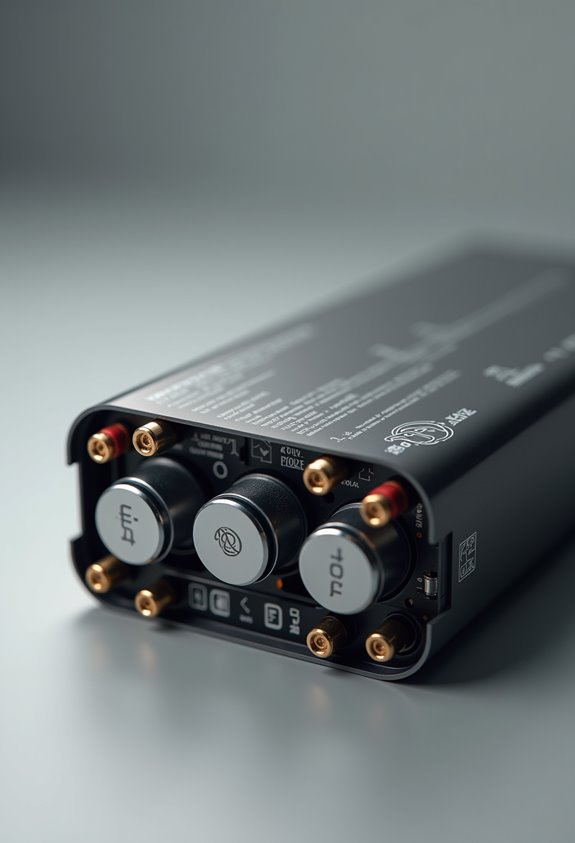
Hey there! So, let’s chat about lithium drone batteries. These little powerhouses, which include lithium-ion (Li-ion) and lithium polymer (LiPo) batteries, are what make those longer flights possible. But, with great power comes some serious risks that we need to be aware of.
For example, LiPo batteries have this flexible packaging that can be easily damaged. If you ever notice any swelling or puffiness in one of your batteries, it’s a big red flag. It’s best to stop using it immediately to prevent it from rupturing, which can lead to all sorts of trouble. And then there’s the issue of overcharging. This can set off thermal runaway, where the battery overheats and can even catch fire. It’s pretty alarming, right?
To keep things safe, I recommend storing your lithium batteries in a cool, dry spot—like a cupboard away from heat sources. Additionally, it’s super important to keep an eye on their voltage levels to avoid any mishaps. And don’t forget: when it’s time to dispose of these batteries, always recycle them responsibly to keep both our environment and local regulations in check. Using batteries with proper discharge rates can also help improve safety during operation.
Essential Safety Checks Before Transporting Lithium Batteries
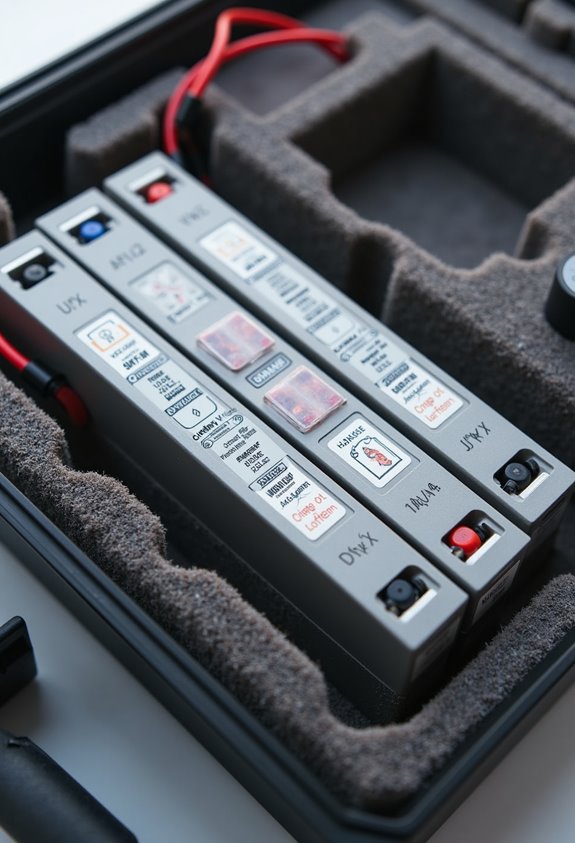
Hey there! So, before we head out with our lithium drone batteries, let’s make sure we do some safety checks to keep everything in check. First off, we want to look for any visible damage on the batteries, like swelling or cracks. Trust me, it’s important because those issues can seriously increase the risk of a fire.
Next, let’s check the battery charge. We should keep it at or below 30%. This helps reduce the chances of something called thermal runaway, which you definitely want to avoid on the road.
Make sure to use the original packaging when transporting the batteries. It protects the terminals and keeps them from short-circuiting. Also, don’t forget to label everything correctly with those UN codes, like UN3480. It’s vital for adhering to Dangerous Goods Regulations, which is all about keeping things safe.
Lastly, keep the batteries in a cool, dry spot while we transport them. That way, we’re enhancing their safety and stability as we travel. Using fireproof Lipo safe bags during transport can further reduce the risk of fire hazards.
All set? Great! Next, let’s talk about what to do if we encounter any problems during transport.
Recommended Products

Flame Retardant Material: the inner fabric is made of high flame-retardant nylon fiber, and the outer material is pvc flame-retardant cloth.heat resistance,explosion proof,and fireproof.

Tenergy 2 pack 5.5x3.5x2inches lipo bags for charging and storing LiPO batteries and battery packs

【 HOOVO LiPo Battery Bag 】 : HOOVO LiPo Battery Bag is made of Triple-layer fireproof fiberglass fabric(supreme fireproof fiberglass&fire retardant no woven,coated with pvc fiber). Triple-layer guards enhances the fire resistance of the lipo battery charger bag, ensure your house or car safe! Withstand fire heat up to 1000 ℉(550 ℃). Note: If the temperature exceeds 1000 ℉, It is not 100% fireproof.
Proper Packaging Techniques for Shipping Lithium Batteries
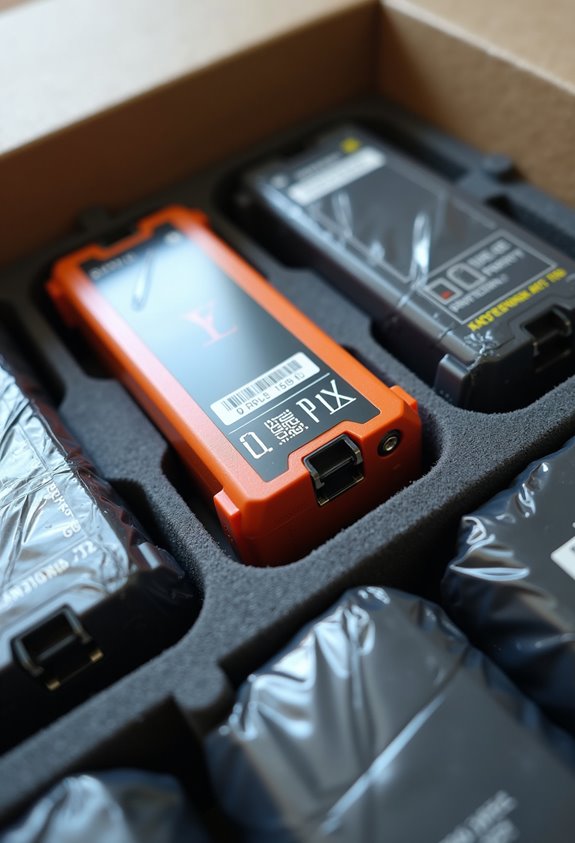
Hey there! Let’s talk about how to package lithium batteries safely for shipping—it’s super important! You definitely want to make sure these batteries are secure to prevent any fire hazards during transport. Ideally, use strong, durable boxes that can take a hit without breaking open. A good example is using heavy-duty cardboard boxes with extra padding to keep the batteries from moving around inside.
Now, here’s a key tip: always use non-conductive materials, like plastic or cardboard, to wrap the batteries. This ensures that the battery terminals don’t accidentally touch anything that could cause a short circuit. It’s also crucial to only ship lithium batteries when they’re charged to 30% or less. Plus, remember to check for the right UN code—like UN3480 or UN3481—on the packaging to keep everything compliant with regulations. Additionally, choosing batteries with built-in overcharge and short-circuit protection enhances safety during shipment.
Recommended Products
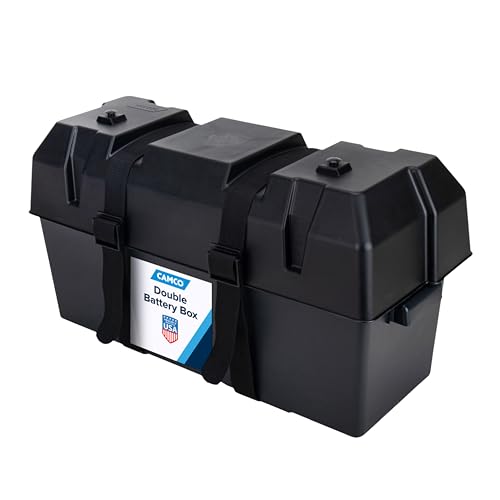
Box Holds: (2) 6V Group GC2 batteries or (2) 12V Group 24/24M batteries
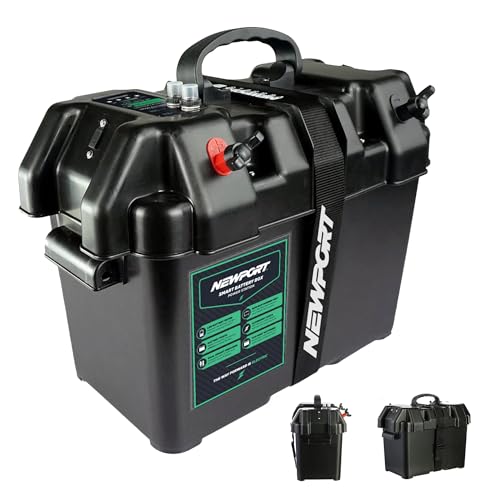
🔋 SIMPLE, CLEAN POWER SETUP FOR ANY BOAT: Take the guesswork out of wiring with a 12V trolling motor battery box power center designed to make setup fast and straightforward. No exposed terminals or messy connections—just a clean, organized marine battery solution for kayaks, jon boats, and small watercraft.

Safety Design: specially designed for the safe storage and transportation of lithium polymer batteries, the double zipper closure design ensures a tight seal, further enhancing safety
Legal Compliance for Transporting Lithium Batteries
Hey there! Let’s chat about transporting lithium batteries and why it’s so important to follow legal compliance guidelines. These batteries are actually considered hazardous materials according to the Department of Transportation‘s Hazardous Materials Regulations, which means we really need to be careful with how we deal with them.
For starters, when transporting lithium batteries, they should be at no more than 30% charge. So, if you have a battery that’s charged more than that, there are specific approvals you need to get first. Imagine you’re shipping some lithium batteries to a friend. If you forget to check the charge levels and they exceed 30%, you might run into some trouble during the shipping process.
Additionally, manufacturers must comply with the UN 38.3 requirements. This involves providing test summaries that prove their batteries are safe to transport. And don’t forget the paperwork! When you ship these batteries, you’ll need to label them correctly as dangerous goods. You’ll see codes like UN3480 for standalone lithium batteries and UN3481 for batteries packed with equipment. Using resources like the Lithium Battery Guide for Shippers can really help keep you informed and compliant. Incorporating a Battery Management System can also enhance safety by monitoring battery health during transport.
Best Fireproof Containers for Lithium Battery Transport
If you’re planning to transport lithium drone batteries, picking the right fireproof container is super important to keep everything safe. Think of fireproof containers as your batteries’ protective armor, helping to prevent any potential disasters, like fires. A great choice for this purpose is a LiPo battery bag made from materials designed to resist flames.
When looking at these containers, consider a few key features. First, ones with multiple layers of insulation can help manage heat buildup, which is crucial because overheating is a common issue. For example, if a battery gets too hot, gases can build up, so finding a container with a good ventilation system is essential. This allows those gases to escape safely instead of causing a nasty surprise. Also, look for bags with compartments to organize your batteries. This keeps them from touching one another, which can help avoid short circuits.
Don’t forget about safety regulations regarding hazardous materials! It might sound a bit tedious, but containers that meet these standards can significantly reduce the risks while you’re on the road. Regularly checking your fireproof containers for wear and tear is also a smart move—after all, you want them to do their job effectively every time. So, when you’re handling lithium batteries, remember that safety should always be your top priority. Choosing bags with high-temperature ratings ensures they can withstand extreme heat and provide reliable protection.
Recommended Products

🔥【Zeee LiPo Battery Bag Material】- 100% inner fireproof fiberglass fabric, interlayer non-woven fabric with flame retardant effect, and PVC fiber outer layer, which effectively isolate air and improve the safety when charging. Heat insulation temperature up to 1000℉.

🔥【Zeee LiPo Battery Bag Material】- 100% outside fireproof fabric, interlayer fabric with waterproof effect, and inner non-woven fabric with flame retardant, which effectively isolate air and improve the safety when charging. Heat insulation temperature up to 1000℉. Please note the bag can't prevent the fire if the temperature over 1000℉. In this situation, it is not 100% fireproof.

High-Quality Material:Crafted from premium, high-strength flame-retardant material, this lipo battery charging bag significantly boosts fire resistance, ensuring a heightened level of safety during the charging process. It can withstand intense fire and heat, enduring temperatures of up to 2000°F, providing robust protection against potential fire hazards.
Managing Charge Levels for Safe Battery Transport
When it comes to transporting lithium drone batteries, one of the key things we need to keep an eye on is their state of charge, or SoC for short. Think of it like this: having your batteries charged around 30% or less is the sweet spot for safe travel. If we try to ship them with a higher charge, we actually need to get permission from both the starting point and the transport company—it’s all about keeping things safe and sound.
Before we send those batteries out on their journey, it’s super important to check their charge levels. You wouldn’t want to find out the hard way that you overcharged or discharged them too much, right? For instance, maintaining that 30% SoC can help prevent something called thermal runaway, which is just a fancy term for when batteries can overheat and potentially cause issues. By being diligent with our battery management, we’re not only protecting our gear but also ensuring everyone’s safety during transport. Additionally, following Battery Management System protocols is crucial to prevent overcharging and enhance safety.
Next up, let’s chat about the proper paperwork we need to accompany those batteries!
Correct Labeling for Lithium Battery Shipments
Transporting lithium batteries safely isn’t just about keeping track of how charged they are; it’s also crucial to nail down the correct labeling. These batteries fall under Class 9 dangerous goods, which means we have to be on top of our labeling game. For example, if you’re shipping batteries on their own, you’ll want to use UN3480. But if they’re packed with equipment, you should be looking at UN3481. Also, don’t forget to add the “Lithium Battery” caution symbol on your packaging—it’s there to give a heads-up about the potential hazards.
When it comes to labeling, specifying the watt-hour (Wh) rating is key, especially if you’re nearing the limits that change your packaging requirements. And it’s a good idea to include the Battery Summary Test document as well. This document provides all the essential details about your battery’s characteristics to ensure everything meets transport safety standards. By keeping your labels accurate and clear, you’re not only promoting safe handling but also paving the way for smoother delivery. Additionally, using built-in safety features like thermal fuses and short circuit protection during charging can further enhance battery safety before shipment.
Recommended Products

Hybsk 4.7" x 4.3" Lithium Ion Battery Transport Caution Warning Labels 50 Adhesive Stickers (UN3481)
DETAILS - 4.7" x 4.3" Lithium Ion Battery Transport Warning Labels | 2 Labels on a sheet | 25 sheets | Total 50 pcs.

Writable Blank Space

PAPER LABELS. Labels are made from semi-gloss paper label stock and have a permanent adhesive backing.
Airline Guidelines for Air Travel With Lithium Batteries
Hey there! So, if you’re planning to travel with your drone and its lithium batteries, it’s super important to know the airline guidelines to keep everything safe during your flight. First things first, always pack your lithium batteries in your hand baggage. Checked baggage? Nope, that’s a no-go!
When it comes to spare batteries, make sure to protect their terminals. You wouldn’t want them to accidentally short circuit, right? For batteries that are smaller than 100 watt-hours, you’re usually in the clear and won’t need any special approval to travel with them. Just think of it like bringing along a regular power bank for your phone. But, if your battery is between 100 and 160 watt-hours, you will need to check with the airline for approval—like getting a ticket upgrade!
Also, remember to always have your devices powered off while flying. The FAA suggests keeping the battery’s state of charge at 30% or less. This precaution helps reduce any safety risks while transporting your lithium batteries. So, think of it as giving your batteries a little “vacation mode.” To further enhance safety during travel, consider using a battery protection circuit to prevent overcharge and short circuits.
Now that you’re all set with that, let’s look into what you can do if you’re traveling internationally with your drone!
How to Respond to Lithium Battery Fires and Emergencies
You know, when it comes to lithium battery fires, it’s really important to know how to handle things if a situation arises. First off, your safety should always come first. If you ever see something strange like overheating or smoke coming from a battery, get everyone out of the area and call for emergency help right away. Lithium battery fires can escalate quickly due to something called thermal runaway, which sounds scary, but it’s just a chain reaction that can cause flames to flare up intensely.
If you spot any damaged batteries starting to swell, turn them off and make sure to keep them away from anything flammable. For example, if a lithium battery in a device you own is showing signs of distress, put it in a safe spot away from curtains or anything that could catch fire. And here’s a crucial tip: never use water to put out a lithium battery fire! You’ll want a Class D fire extinguisher, specifically designed for fires involving combustible metals. It’s a smart idea to have a fire blanket or a containment bag handy as well, just in case. Using a reliable battery discharge tester before transporting lithium batteries can help detect issues early and prevent potential emergencies.
Recommended Products

STOPS LITHIUM-ION BATTERY FIRES FAST: Specially designed to quickly suppress fires caused by lithium-ion batteries in phones, laptops, power banks, power tools, and other electronics, our fire extinguisher provides reliable protection in critical moments.
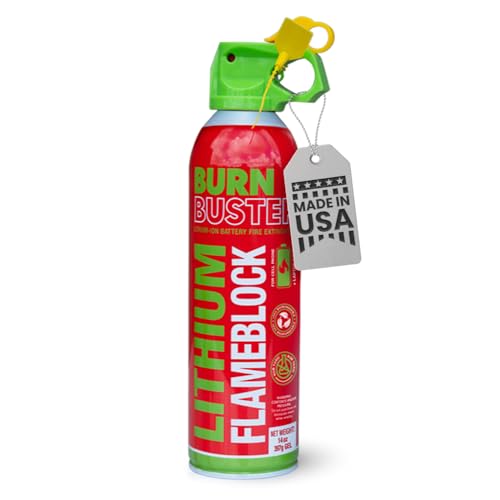
STOPS LITHIUM-ION BATTERY FIRES FAST: Specially designed to quickly suppress fires caused by lithium-ion batteries in phones, laptops, power banks, power tools, and other electronics, our fire extinguisher provides reliable protection in critical moments.

STAYSAFE AND EXTINGUISH LITHIUM BATTERY FIRES: This fire-safety device gives you wide protection against fires that can start from common household and personal electronic devices. It’s designed to extinguish flames from lithium batteries in your tablet, smart phone, laptop, power pack, and more
Post-Transport Inspection and Maintenance for Lithium Batteries
Hey there! After getting our lithium drone batteries from point A to point B, it’s super important to do a post-transport inspection. Think of it as a health check-up for the batteries. First off, we want to make sure there aren’t any obvious issues like swelling, cracks, or leaks. These could be signs that something’s off, maybe even hinting at a risk called thermal runaway, which we definitely want to avoid.
Once we’ve checked for any physical damage, the next step is verifying the state of charge. Ideally, we want that to be sitting comfortably between 40% and 65%. You can think of it like keeping your phone charged; too low or too high isn’t great for the battery’s health. Regularly checking voltage and capacity helps ensure that all the cells are balanced and working well together.
Don’t forget to also take a look at the terminals and connectors. Corrosion or wear can sneak up on you, so it’s wise to spot those early. And while we’re at it, let’s keep our charging stations nice and tidy—no debris allowed! It’s all about creating a safe environment for these batteries to thrive. Keeping an accurate maintenance record for each battery helps us see patterns in usage, catch potential problems before they escalate, and ultimately helps extend their lifespan.
Choosing batteries with long lifespan features can also reduce maintenance frequency and improve safety over time.
Now that we’ve covered the basics of battery health, let’s chat about how to keep those charging stations in tip-top shape!
Frequently Asked Questions
Can You Take a Drone With Lithium Batteries on a Plane?
Absolutely, we can take our drones with lithium batteries on a plane, but we need to follow airline policies and battery regulations. Let’s remember the 100 Wh rule and adhere to safety tips for our travel!
What Are the FAA Guidelines for Lithium Batteries?
When it comes to lithium battery safety, we must follow FAA regulations. For aircraft safety, we should guarantee proper battery storage, pack carefully for drone transport, and stick to compliance tips for safe travels.
What Is the 80 20 Rule for Lithium Batteries?
Did you know charging lithium batteries to 80% can extend their lifespan by up to 50%? By following this 80/20 rule, we enhance safety, maximize energy density, and guarantee effective recycling while considering temperature effects.
How to Travel With Lithium-Ion Batteries?
When we travel with lithium batteries, we must follow battery safety and travel regulations: keep SoC ≤ 30%, store batteries properly, and check airline policies for transporting larger batteries to guarantee smooth drone maintenance.